
New Hampshire sees some of the highest opioid overdose death rates in the country, and for many people caught in that pattern, the difference between survival and another relapse comes down to one decision: choosing the right level of care. This guide walks through everything you need to evaluate opioid rehab in Bethlehem, New Hampshire, from what medically supervised detox actually involves to how to verify a facility’s credentials and use your insurance before your first call.
Why opioid addiction demands residential treatment
According to the New Hampshire Department of Health and Human Services, the state recorded 486 drug overdose deaths in 2022, with synthetic opioids driving the majority of those fatalities. That figure represents one of the highest per-capita overdose rates in the United States. The number underscores something that addiction medicine specialists have documented consistently: opioid use disorder is not a problem that resolves with motivation alone, and outpatient-only approaches fail a significant portion of people with moderate-to-severe dependence.
SAMHSA’s Treatment Episode Data Set consistently shows that individuals with opioid use disorder who enter residential care have significantly better treatment retention rates than those who begin in outpatient settings without prior stabilization. The mechanism is straightforward: opioid dependence produces physical withdrawal that makes staying in outpatient appointments nearly impossible without medical support. Residential care removes the environmental triggers, manages the physical symptoms, and creates the structured time that early recovery requires.
The practical takeaway is this: if you or someone you care about has tried to stop using opioids and returned to use within days or weeks, or if daily functioning depends on opioids to avoid withdrawal, that is the clinical signal that residential treatment, not weekly outpatient sessions, is the appropriate level of care.
What opioid rehab in bethlehem, new hampshire actually involves
A well-structured residential program is not a single event. It is a connected sequence: medically supervised detox, clinical stabilization, and a structured treatment phase that builds the skills and support needed to sustain recovery. The connection between those phases is not optional.
A 2012 NIDA research review found that patients who transitioned directly from detox into a rehabilitation program had substantially higher rates of sustained abstinence at 12 months compared to those who completed detox without immediate transition to treatment. The gap exists because detox removes the substance; treatment addresses the reasons the substance was used. Before enrolling in any facility, ask one specific question: is detox and residential treatment delivered as an integrated program, or will discharge from detox require a separate referral and intake process?
For those evaluating how opioid addiction treatment programs are structured more broadly, the detox-to-treatment handoff is the most important operational detail to confirm.
Medical detox for opioid withdrawal
Opioid withdrawal follows a predictable clinical timeline. Symptoms typically begin six to twenty-four hours after the last use, depending on whether the substance was short-acting (heroin, oxycodone) or long-acting (methadone, extended-release formulations). Peak intensity usually occurs between 36 and 72 hours, and acute symptoms resolve within five to ten days. What makes unsupervised detox dangerous is not just discomfort , it is the cardiovascular stress, severe dehydration from vomiting and diarrhea, and the psychological distress that drives most people back to use before withdrawal completes.
The American Society of Addiction Medicine’s clinical guidelines for opioid withdrawal management specify that medically managed detox should include continuous vital sign monitoring, access to medications such as buprenorphine or clonidine to reduce withdrawal severity, and 24-hour clinical oversight. When you contact a facility, ask directly: what is the nurse-to-patient ratio during detox, is a physician or nurse practitioner available on-site overnight, and what medications are used to manage withdrawal symptoms?
Medications used in opioid treatment (MAT)
Medication-assisted treatment uses FDA-approved medications alongside counseling and behavioral support. Buprenorphine reduces cravings and withdrawal symptoms by partially activating opioid receptors. Methadone, dispensed through licensed opioid treatment programs, works similarly for patients with longer histories of use or who have not responded to buprenorphine. Naltrexone, an opioid antagonist, blocks the euphoric effects of opioids entirely and is typically initiated after detox is complete.
A 2021 study published in the New England Journal of Medicine found that patients receiving buprenorphine or methadone were 50 to 70 percent less likely to experience a fatal overdose compared to those receiving no medication. That is the evidence base for MAT, and the misconception that it represents “trading one drug for another” does not survive contact with the data. These medications do not produce the euphoria associated with opioid misuse at therapeutic doses; they stabilize brain chemistry, reduce compulsive use, and allow the therapeutic work of recovery to take place.
Ask the admissions team specifically whether the facility offers all three FDA-approved MAT options or restricts to one. A program that only offers one medication may not be the right fit for everyone.
Therapy and behavioral support during residential treatment
A 2020 meta-analysis published in the Journal of Consulting and Clinical Psychology, covering 53 trials involving over 6,000 participants, found that cognitive behavioral therapy produced significant reductions in opioid use frequency and improved treatment retention. CBT works by identifying the thought patterns and situational triggers that precede use, then building concrete responses to those triggers. Motivational interviewing, another evidence-based approach, helps resolve ambivalence about change, which is particularly relevant in early treatment when commitment to recovery fluctuates.
A structured residential day typically includes morning group therapy, individual counseling sessions several times per week, skills-based psychoeducation groups, and evening peer support. Ask for a sample weekly schedule before committing to a program. If a facility cannot or will not share that, that is a meaningful data point about their program structure.
Choosing the right opioid rehab facility in bethlehem
Five factors separate effective programs from ineffective ones: accreditation, licensed clinical staff, individualized treatment planning, length of stay, and aftercare planning. A 2014 study from McLean Hospital found that program duration was one of the strongest predictors of sustained recovery at 12 months, with stays of 90 days or more producing substantially better outcomes than shorter programs. When you call a facility, ask for their average length of stay and what percentage of enrolled clients complete the program. Both numbers reveal how the facility functions in practice.
Accreditation and licensing: what to verify
CARF (Commission on Accreditation of Rehabilitation Facilities) and Joint Commission accreditation mean that an independent body has evaluated the facility’s clinical practices, safety protocols, and program quality against national standards. Accreditation is not a guarantee of quality, but the absence of it is a warning sign worth taking seriously.
New Hampshire also requires state licensure through the Department of Health and Human Services for all substance use disorder treatment facilities. Before making a call, look up the facility on the NH DHHS licensed provider directory at dhhs.nh.gov. If the facility does not appear on that list, do not enroll.
Aftercare and continuing care planning
A 2022 study published in the Journal of Substance Abuse Treatment found that individuals with a structured aftercare plan, including step-down to a partial hospitalization or intensive outpatient program, were 40 percent less likely to relapse in the six months following residential discharge compared to those discharged without a continuing care plan. Aftercare is not an administrative formality. It is the bridge between the controlled environment of residential treatment and the real-world conditions where relapse risk is highest.
A strong aftercare plan includes step-down programming (PHP or IOP), continuation of MAT if appropriate, peer recovery support connections, and linkage to community resources. Ask the admissions coordinator on your first call when discharge planning begins. If the answer is “near the end of the program,” that is a gap worth noting. Planning should start within the first week.
Insurance coverage for opioid rehab in new hampshire
The Mental Health Parity and Addiction Equity Act requires commercial insurers to cover substance use disorder treatment on terms no more restrictive than medical or surgical care. In New Hampshire, that applies to Aetna, Anthem, Cigna, Harvard Pilgrim, and Tufts on the commercial side, and to Tricare for veterans and military families. New Hampshire Medicaid members, including those covered through WellSense, AmeriHealth Caritas, and the Granite State Health Plan, have access to residential SUD benefits as well.
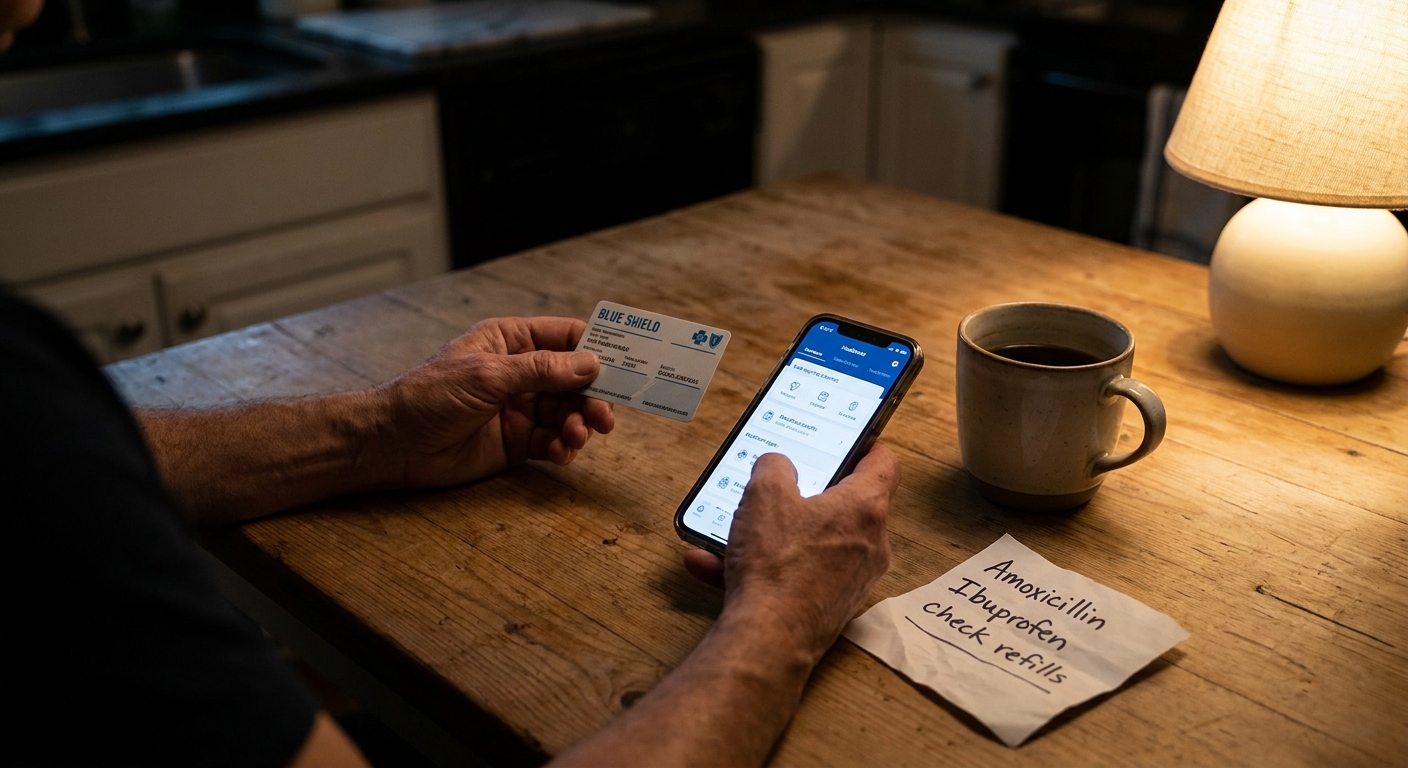
According to a 2023 KFF analysis, more than 40 percent of adults who needed substance use treatment and did not receive it cited cost as the primary reason, despite many having active insurance coverage. The gap is almost always a coverage question that a single phone call can answer. Call the member services number on the back of your insurance card and ask specifically about “in-network residential substance use disorder treatment in New Hampshire.” Do not assume cost is a barrier before you have that conversation.
For those also navigating prescription drug addiction treatment in New Hampshire, the same insurance frameworks apply.
The white mountains as a recovery environment
Environment is not a marketing concept in addiction treatment; it has a documented clinical effect. A 2019 study published in the International Journal of Environmental Research and Public Health found that exposure to natural environments significantly reduced cortisol levels and self-reported stress in participants with substance use histories. Lower stress in early recovery matters because stress is one of the most reliable relapse triggers identified in the literature.
Bethlehem’s location in the White Mountains region of northern New Hampshire offers something that urban facilities cannot replicate: genuine physical distance from the people, places, and routines associated with active use. That geographic separation reduces the immediate-access problem that derails early recovery in familiar environments. When evaluating a facility in this area, ask how the physical setting is built into programming. Structured outdoor activities, therapeutic recreation, and nature-based programming are signs that the environment is being used as a clinical tool. If the setting is only mentioned in marketing photographs, it is not actually part of treatment. Those managing heroin addiction treatment in New Hampshire will find that residential settings in rural areas carry a measurable advantage in early stabilization.
How to start the admissions process this week
A 2019 SAMHSA report on treatment engagement found that same-day or next-day contact following an initial inquiry increased the likelihood of treatment entry by over 50 percent. The window between a person deciding to seek help and withdrawing from that decision is genuinely short, often measured in hours, not days.
An admissions call covers three things: insurance verification (have your card ready), a brief clinical pre-screening to assess the appropriate level of care, and scheduling an intake. It takes less time than most people expect. Have your insurance card and a list of current medications in front of you. The medications matter because MAT planning often begins before admission.
Make one call today. That is the only step required right now.
Frequently asked questions
How long does opioid rehab in bethlehem, new hampshire typically last?
Residential opioid treatment programs generally range from 28 days to 90 days or more. Research consistently shows that longer stays, particularly those exceeding 90 days, produce better outcomes at 12-month follow-up. Ask any facility you contact for their average length of stay and their clinical criteria for determining program duration.
Is medication-assisted treatment (MAT) available at residential facilities in new hampshire?
Yes. Licensed residential facilities in New Hampshire are able to incorporate buprenorphine, methadone, and naltrexone into treatment plans. Not every facility offers all three options, so confirm which medications the program supports before enrolling. MAT continuation through the aftercare phase is equally important to ask about.
Does new hampshire medicaid cover residential opioid treatment?
New Hampshire Medicaid, including WellSense, AmeriHealth Caritas, and the Granite State Health Plan, covers residential substance use disorder treatment for eligible members. Coverage terms vary by plan. Contact your plan’s member services line directly to confirm residential benefits and any prior authorization requirements.
What is the difference between detox and residential rehab?
Detox addresses the physical process of withdrawal, typically lasting five to ten days for opioids, under medical supervision. Residential rehab is the structured treatment phase that follows, focusing on behavioral therapy, MAT management, and recovery skill development. The two work together; completing detox without transitioning to treatment leaves the underlying causes of addiction unaddressed.
What should I bring to a residential opioid rehab intake?
Bring a government-issued photo ID, your insurance card, a list of all current medications with dosages, and any relevant medical records if available. Most facilities provide a specific packing list during the admissions call, but personal comfort items such as books and appropriate clothing for the season are generally permitted. Electronics policies vary by facility.
Can family members be involved in treatment?
Most residential programs include some form of family involvement, whether through scheduled family therapy sessions, educational programming, or family visitation. Family support is associated with better long-term outcomes. Ask the admissions team what family programming looks like during and after the residential phase.