
Does Blue Cross Blue Shield Cover Detox? Coverage and Admissions at a Detox That Accepts Blue Cross Blue Shield in New Hampshire
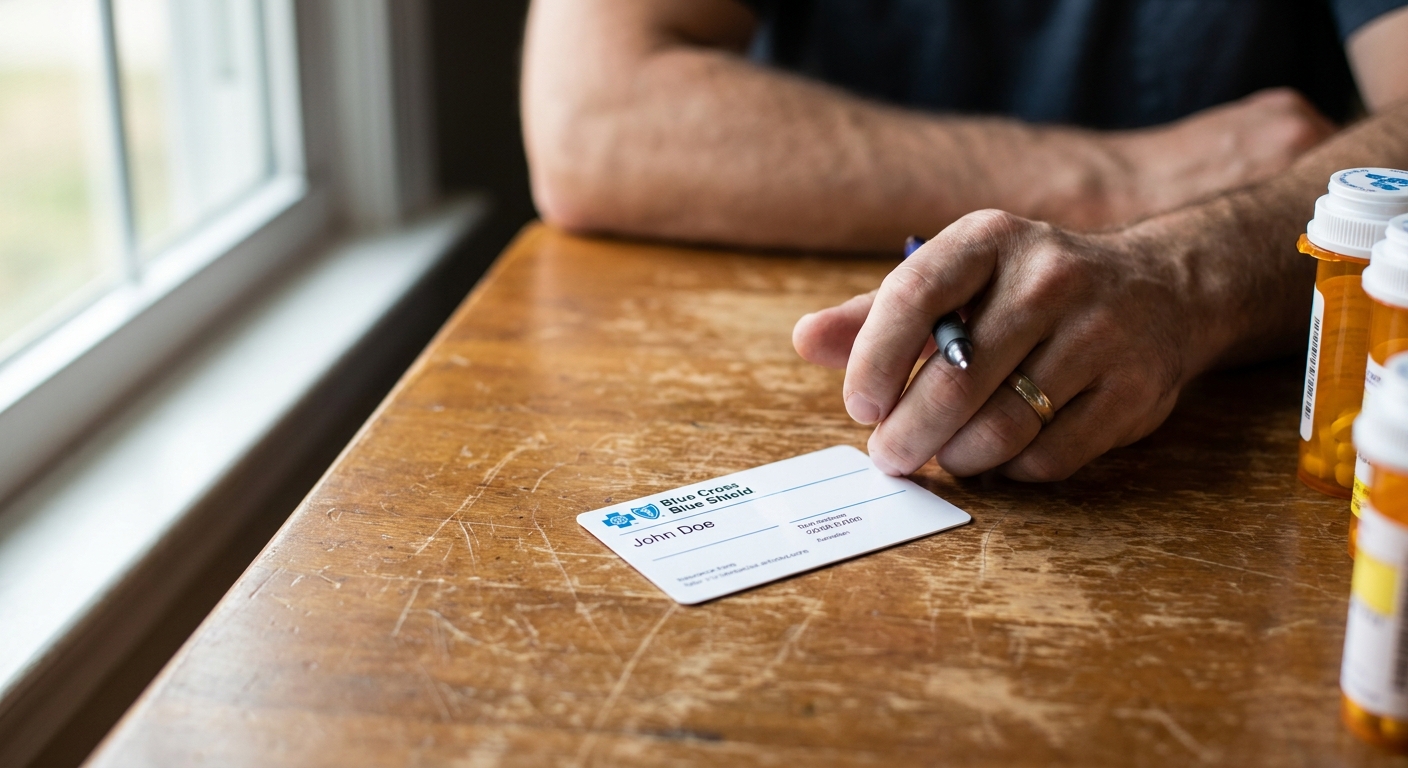
It’s 3 a.m. You’re holding your Blue Cross Blue Shield card and wondering if your husband’s alcohol detox will be covered. When you call New Hampshire Detox, the first questions are about him, not paperwork. Is he conscious and responding? Is he breathing normally? Is he severely confused, vomiting without stopping, having a seizure, or complaining of chest pain? What did he drink, how much, and when? Admission details come after that. Some Blue Cross Blue Shield plans may cover detox when it is deemed medically necessary, though coverage varies by plan. New Hampshire Detox in Bethlehem, NH is a detox that accepts Blue Cross Blue Shield in New Hampshire through Anthem Commercial plans. If your loved one is on New Hampshire Medicaid instead, the program also accepts AmeriHealth Caritas and WellSense Medicaid plans.
Take a breath. Starting with safety is not a delay. It is how the team decides whether your spouse is a safe fit for a home-like residential detox or needs a higher level of medical care first. Those same answers also describe the clinical picture your plan will want to see.
You don’t have to figure this out by yourself tonight. This guide answers the questions spouses and partners ask most often, in the order they usually come up:
- Which insurance cards work
- What “medical necessity” means
- How coverage fits into a crisis call
- What to do if the plan says no
- How to get your loved one into care
Does Blue Cross Blue Shield Cover Detox Treatment in New Hampshire?
Some Blue Cross Blue Shield plans may cover detox when deemed medically necessary, though coverage is not guaranteed and varies significantly by individual plan. Your exact coverage depends on three things: your plan type, a medical necessity review, and how your plan treats the facility. New Hampshire Detox accepts Anthem Commercial plans, along with AmeriHealth Caritas and WellSense Medicaid.
That honest answer is also why so many families feel stuck. The logo on the card tells you which insurance company you have. It does not tell you:
- What your specific plan pays for
- Whether residential detox needs approval first
- How much of your deductible is left
Two neighbors on the same street can both carry a Blue Cross card and get very different answers. That isn’t a trick. Insurance contracts are built that way, which is why a general “yes, we take Blue Cross” from any facility is only the start of the conversation.
Insurers review detox as a medical service. SAMHSA’s clinical guidance describes detoxification as a set of steps that may help safely manage acute intoxication and withdrawal. That guidance also says detox is a first step in recovery, not the whole of it (TIP 45 Detoxification and Substance Abuse Treatment). Your plan asks the same things a clinician asks:
- Is withdrawal likely to be risky?
- Does this person need support around the clock?
- Is this the right level of care?
The screening questions New Hampshire Detox asks on the first call cover much of that ground. When you talk with the team, ask what has been confirmed about your coverage and what is still pending, so you know exactly where things stand.
Is New Hampshire Detox a Detox That Accepts Blue Cross Blue Shield in New Hampshire, and Which Plans Count?
Yes. New Hampshire Detox accepts Anthem Commercial plans, which are the Blue Cross Blue Shield plans Anthem offers in New Hampshire. The specific product on your card matters more than the logo, so have the team confirm which plan you actually have.
Anthem Blue Cross and Blue Shield is the Blue Cross company licensed in New Hampshire. “Commercial” means private coverage, most often through an employer. If your partner’s insurance comes through a job, or through your job as a dependent, there is a good chance this is the card in your wallet. The card usually shows the Anthem name along with the Blue Cross and Blue Shield symbols.
Some families on Medicaid aren’t sure whether their card counts as Blue Cross at all. AmeriHealth Caritas New Hampshire and WellSense are separate companies that manage Medicaid benefits in the state. They are not Blue Cross Blue Shield products, and they follow their own rules for networks and approvals. What matters on the call is simpler: New Hampshire Detox accepts both.
Many households hold more than one card and don’t realize each one is a separate contract. Common examples include:
- An employer plan
- A Marketplace plan bought after a job change
- A Medicaid card from a stretch of lower income
- A Blue Cross card from another state that never got canceled
Each comes with its own network, approval rules, and costs, so gather every card in the house before you call. New Hampshire Detox also accepts Aetna Commercial, Evernorth (Cigna) Commercial, Curative Health, and private pay. If your card is an Anthem Marketplace plan or a Blue Cross plan from out of state, don’t assume yes or no. Ask the team about that exact card.
What Does Medical Necessity Mean for Blue Cross Blue Shield Detox Coverage?
Medical necessity means your plan agrees that detox is needed for your loved one’s health and safety, not just helpful, though plans vary in how they interpret this standard. Blue Cross Blue Shield plans decide this using clinical details: what substance was used, how risky withdrawal could be, and other health conditions.
New Hampshire Detox gathers those details during screening. The team asks:
- What was used, and how much?
- When was the last use?
- Was more than one substance involved?
- Is alcohol or a benzodiazepine part of the picture?
- What medical history does your partner have?
- What medications are they currently taking?
Each answer helps describe why care is needed now.
The team asks about alcohol and benzodiazepines (like Xanax or Klonopin) specifically, because withdrawal from those substances can sometimes become medically dangerous. SAMHSA’s guidance notes that withdrawal from alcohol and sedatives can bring seizures and delirium, which is why it may need medical attention rather than a “tough it out” approach (TIP 45). New Hampshire Detox works with people facing alcohol, benzo, [heroin](https://www.nh-detox.com/substance-abuse-treatment-programs-new-hampshire/heroin-addiction-treatment-program-nh/), [opioid](https://www.nh-detox.com/substance-abuse-treatment-programs-new-hampshire/opioid-addiction-treamtment-program-nh/), and meth addiction, and each brings its own withdrawal concerns.
You may not know every answer, and that is okay. Maybe you found bottles in the garage but have no idea how long this has been going on. Maybe you’re not sure whether the pills in his jacket are his. Tell the team what you do know. A clinician’s guide to detox describes three parts to the process: evaluation, stabilization, and helping the person move into ongoing treatment (NIDA Quick Guide for Clinicians Based on TIP 45). Your phone call is where the evaluation begins.
How Does the Intake Team Handle Blue Cross Blue Shield Coverage During a Crisis Call?
The intake team checks safety before anything else. Before talking about deductibles, staff confirm your loved one is not in a medical or psychiatric emergency. If they are, the team directs you to emergency care right away instead of telling you to wait.
The call follows this order:
- First, what is happening right now. Is your partner conscious and responding? Breathing normally? Showing severe confusion, vomiting that won’t stop, seizure activity, or chest pain?
- Next, behavioral health safety. Is your partner having suicidal or homicidal thoughts? Is there a plan or intent? Are they severely agitated or showing signs of psychosis?
- Then, substances and timing. What, how much, and when was the last use? Were multiple substances involved? Is alcohol or a benzodiazepine involved?
- Finally, health history. What medical history and current medications does your partner have?
If any answer points to an emergency, you will hear it plainly: get emergency medical or psychiatric care now. That can mean calling 911 or going to the nearest emergency room. If your partner is talking about suicide, the 988 Suicide and Crisis Lifeline is open by call or text. Insurance can be sorted out after your person is safe.
If there is no immediate emergency, the screening continues. The team works through whether residential detox is the right level of care for your partner. That is also the moment to bring up your insurance card and ask how the team will confirm your benefits, so the clinical picture and the coverage picture come together.
What If My Blue Cross Blue Shield Plan Requires Pre-Authorization for Detox?
Many plans require pre-authorization, which means approval before admission, for residential or inpatient detox, though approval requirements and processes vary by plan. When withdrawal is getting worse, medical safety always comes before paperwork.
Approval steps vary from plan to plan. An Anthem Commercial plan may handle detox approvals differently than a Medicaid plan like AmeriHealth Caritas or WellSense, with different phone numbers, different forms, and sometimes different required clinical details. Some plans want a call before admission, and others allow notice shortly after. Rather than guessing which rules apply, ask the team and your plan how your specific product handles it.
Clear screening answers may help support approval requests, though no approach can guarantee approval. Your plan wants to know why detox is needed now and why this level of care fits, and details like substance type, amount, and last use answer those questions. A vague request (“he drinks a lot”) is easier to delay. A clear one (“daily heavy alcohol use, last drink eight hours ago, also taking a benzodiazepine”) gives the reviewer what they need.
Here is the line that never moves. If your partner is having a seizure, is severely confused, or can’t stop vomiting, go to the emergency room and do not wait for an approval call. Under federal rules, most health plans cannot require pre-authorization for emergency care. Once your loved one is stable, you can talk with New Hampshire Detox about whether residential detox is the right next step.
Does Blue Cross Blue Shield Cover Residential Detox or Only Hospital-Based Programs?
Some Blue Cross Blue Shield plans may cover residential detox, not just hospital programs, when deemed appropriate for a person’s withdrawal risk and health needs, though coverage depends on individual plan terms. The person needs to be someone who can be safely supported in a residential setting rather than one requiring hospital-level care.
Clinical guidance treats detox as a range of settings, from outpatient care to medically managed inpatient care. The setting is matched to how severe withdrawal is likely to be and what other conditions are present (TIP 45). Insurers follow that same logic. A person with serious medical conditions and high-risk withdrawal may need a hospital. Some individuals may be supported in a residential detox with medical oversight.
New Hampshire Detox offers residential, medically supported withdrawal management in a non-hospital, home-like setting in Bethlehem, NH. The program is built around rebirth, regrowth, and renewal, with personalized healing and recovery support from the first day, along with aftercare and recovery planning for what comes next.
The screening on that first call is how the team decides fit. Deciding whether someone belongs in a home-like detox or needs a higher level of medical care is a judgment call, and the team makes it by checking immediate medical safety, behavioral health safety, substances, and medical history before anything else. If your partner’s needs call for emergency or hospital care, you’ll be pointed there. That protects your loved one, and it may help avoid an unsafe stay or a placement your plan may not support.
For some people, a warm room, a real bed, and staff who learn their name may make it easier to stay through the hardest days. That is the kind of place most spouses picture when they hope their person won’t be alone.
What Are My Out-of-Pocket Costs for Blue Cross Blue Shield Detox Coverage in New Hampshire?
Once you know detox is covered, the next worry is usually the bill. Your costs depend on four things: your remaining deductible, your copay or coinsurance, your out-of-pocket maximum, and whether your plan treats the facility as in-network or out-of-network.
A few plain definitions help:
- Deductible: What you pay before your plan starts sharing costs.
- Copay: A set amount for a service.
- Coinsurance: A percentage of the bill you pay after the deductible.
- Out-of-pocket maximum: The most you pay for covered care in a plan year. After you reach it, the plan generally pays covered costs in full.
Network status can shift your share a lot. In-network care usually means lower cost sharing, while out-of-network care can mean a higher percentage, or even the full charge. Network status is specific to each plan, so ask how your exact product treats the program rather than assuming one way or the other.
Timing changes the numbers too. A family in early January may have a full deductible ahead of them, while a family in October may have already met it after a hospital stay earlier in the year. Whether pre-authorization is approved can also change what the plan pays.
Ask questions about cost before your loved one is admitted, and write down what you’re told. If your coverage doesn’t work out, New Hampshire Detox also accepts private pay, and the team can explain what that involves.
What Is the Mental Health Parity and Addiction Equity Act and How Does It Protect My Blue Cross Blue Shield Detox Coverage?
The Mental Health Parity and Addiction Equity Act is a 2008 federal law. It requires most health plans to cover substance use disorder care on terms no more restrictive than medical and surgical care. If your plan treats detox more harshly than a comparable hospital stay, that may be a violation you can challenge.
The Surgeon General’s report on addiction describes how parity law and the Affordable Care Act expanded insurance coverage for substance use disorder treatment (Facing Addiction in America). Parity applies to most employer plans, Marketplace plans, and Medicaid managed-care plans. In practice, the rules your plan uses for detox should line up with the rules it uses for similar medical care.
Families tend to run into the same problems:
- Higher copays for addiction care than for medical stays
- Stricter pre-authorization for detox than for other inpatient care
- Fixed day limits that don’t reflect your loved one’s actual needs
- Medical necessity rules that are harder to meet for behavioral health
If you see one of these, you don’t need to argue with the insurer on the phone tonight. Write down what you were told, ask for the denial reason in writing, and keep it for an appeal.
If you believe the plan is breaking parity rules, there are places to complain. The New Hampshire Insurance Department takes complaints about fully insured plans. Plans that employers fund themselves fall under the U.S. Department of Labor, and Medicaid complaints go through the state. Knowing the law exists can give you the confidence to push back.
What Happens If Blue Cross Blue Shield Denies Coverage for Detox in New Hampshire?
A denial is not always the final word. Common next steps include:
- A peer-to-peer review, where a physician talks directly with the plan’s medical reviewer
- A formal appeal with more clinical documentation
- Pointing out parity problems in the denial reason
Some denials come down to missing information rather than a firm “no.” A reviewer reading a short form may not see that alcohol and a benzodiazepine were being used together, or what medical conditions are in the picture. A conversation that fills in those details can sometimes lead a plan to reconsider its decision when additional medical information is presented, though outcomes vary.
If that doesn’t change the outcome, you still have appeal rights. Most plans offer an internal appeal first, then an independent outside review. For urgent situations, federal rules generally require plans to decide expedited appeals within 72 hours, so ask for the expedited process by name if your loved one is in active withdrawal.
A denial should never keep someone from emergency care. If withdrawal symptoms are getting worse while an appeal is pending, go to the emergency room. If you need to look at options outside your plan, the federal government’s guide to finding help for substance use lists SAMHSA’s free, confidential National Helpline (Find help for substance abuse | USAGov). New Hampshire Detox also accepts private pay, so a denial doesn’t have to be a dead end.
How Quickly Can I Get My Loved One Into Detox in Bethlehem, NH With Blue Cross Blue Shield Coverage?
How fast things move depends on safety, fit, and coverage. You can reach New Hampshire Detox at 502-830-3523. The team in Bethlehem, NH starts with safety screening, then continues to whether residential detox is the right level of care.
Clear answers help. If you have your partner’s insurance card, a list of current medications, and a rough idea of what was used and when, the screening can move faster. Missing details won’t stop the process, though they may mean a few more questions. Your job is not to have everything perfect. It is simply to make the call.
The window often matters. Some spouses describe a rare moment when their partner finally says, “Okay, I’ll go,” and that moment can pass quickly. Calling while your loved one is still willing gives you the best chance to act on it.
Think through the practical side as well:
- Getting there: Who can drive to Bethlehem, and how long the trip from your town will take
- What to bring: Photo ID, all insurance cards, and current medications in their original bottles
- Home: Who will cover kids, pets, or work while you’re on the road
Bring any admissions, insurance, or logistics questions to the call. Once your partner is in care, you’ll know they aren’t alone through withdrawal, and you can finally rest.
What Should I Ask My Blue Cross Blue Shield Plan Before Calling a Detox Facility?
If you have a little time before you call, a few questions to your insurer can help. It’s useful to know your plan type, whether detox needs pre-authorization, your remaining deductible, and how the facility fits your network. Ask specifically about behavioral health or substance use benefits, not general medical coverage.
If your loved one isn’t in danger, call the member services or behavioral health number on the back of the card and use these questions:
- What type of plan is this: an employer (commercial) plan, a Marketplace plan, or something else?
- Are residential detox services covered, or only hospital-based detox?
- Does detox require pre-authorization, and how do I request an urgent review?
- How much of my deductible is left this year, and what is my coinsurance?
- How are substance use disorder benefits handled differently from medical benefits?
Ask for behavioral health benefits by name. A general customer service representative may give you the hospital answer, which can differ from the substance use answer. Write down the representative’s name, the date, and a reference number for the call, because that note can matter in an appeal later.
None of this is required before you reach out for help. If calling the insurer feels like one more thing you can’t face tonight, skip it and call New Hampshire Detox directly. Getting your partner somewhere safe comes first, and you can follow up with the plan later.
Why Does It Matter Whether My Blue Cross Blue Shield Plan Is Commercial, Marketplace, or Medicaid Managed-Care?
Your product type sets your network, your approval rules, your costs, and which facilities accept your coverage. That holds true even when you’re sure your card says Blue Cross. Knowing your exact product may help you avoid calling facility after facility while your loved one keeps using.
Each type works differently:
- Commercial plans come through employers and follow the employer’s contract with Anthem.
- Marketplace plans are bought on your own and often have narrower networks.
- Medicaid managed-care plans run New Hampshire’s Medicaid benefits through private companies. New Hampshire Detox accepts two of them: AmeriHealth Caritas and WellSense.
Each type has its own approval desk, its own forms, and its own definition of who is in-network.
Location adds a layer for families in Bethlehem, the White Mountains, and the North Country, where detox options are farther apart. A family that calls one facility, learns the plan isn’t accepted, and starts over can lose a full day or more. During active alcohol or benzodiazepine use, every hour adds risk. Knowing up front that New Hampshire Detox is a detox that accepts Blue Cross Blue Shield in New Hampshire through Anthem Commercial plans, and also accepts AmeriHealth Caritas and WellSense Medicaid, can save you that search.
This is the practical heart of everything above. The card is your starting point, not your answer. The right question is not “Do you take Blue Cross?” It is “Do you accept my specific plan?” At New Hampshire Detox, that question sits alongside the safety questions that matter most.
Here is one small step that makes a real difference. Before you dial, lay every insurance card in the house on the kitchen table, front and back, next to any medication bottles your partner uses. Those five minutes help you answer the substance, timing, and medication questions clearly. When you’re ready, call New Hampshire Detox at 502-830-3523 about Blue Cross Blue Shield coverage and admission in Bethlehem, NH. Someone will start with your loved one’s safety and help you find the right next step toward personalized healing and renewal.
Start Your Recovery with Confidence
If you’re weighing whether your Blue Cross Blue Shield plan will support your next step, you don’t have to figure it out alone. New Hampshire Detox in Bethlehem works directly with your insurance to verify coverage and explain your options before you commit. A brief conversation can answer your questions about medical detox, what your plan covers, and how quickly you can begin treatment.
Individual experiences with treatment vary, and insurance coverage and outcomes are not guaranteed for any individual.