
Finding a Suboxone doctor in Bethlehem, New Hampshire takes more than a quick Google search, especially in a rural region where provider access is limited and the stakes of waiting are high. This guide walks you through how buprenorphine treatment works, where to find a licensed prescriber, what insurance covers, and when a residential program makes more sense than an outpatient prescription alone.
What suboxone treatment actually does
According to a 2020 SAMHSA National Survey on Drug Use and Health, fewer than 20% of people with opioid use disorder received any form of medication-assisted treatment in the prior year, despite buprenorphine being one of the most effective interventions available. A 2019 study published in the New England Journal of Medicine found that patients maintained on buprenorphine were significantly less likely to relapse or die from overdose compared to those who received no medication.
The mechanism is straightforward. Buprenorphine is a partial opioid agonist, meaning it binds to the same brain receptors as heroin or oxycodone but only activates them partially. The result: withdrawal symptoms stop, cravings drop, and the door to full intoxication closes because the receptor is already occupied. Naloxone is added to the formulation to deter injection misuse.
Understanding how Suboxone works helps you evaluate providers correctly. A prescriber who treats buprenorphine as a temporary fix or a moral compromise is not aligned with current clinical evidence. The concrete takeaway: look for a provider who frames buprenorphine as a long-term stabilization tool, not a bridge to abstinence-only care. If you want a broader picture of how buprenorphine fits into the full range of MAT options, that context will help you ask better questions before your first appointment.
How to find a licensed suboxone doctor in bethlehem, NH
The landscape for finding a prescriber changed significantly in 2023. Under the Consolidated Appropriations Act of 2023, Congress eliminated the DEA’s X-waiver requirement, which had previously forced physicians to complete extra training before prescribing buprenorphine. Any DEA-licensed practitioner with a Schedule III prescribing authority can now legally prescribe it. In a rural state like New Hampshire, where provider shortages are chronic, that rule change meaningfully expanded access.
Your two primary search tools are SAMHSA’s treatment locator at findtreatment.gov and the SAMHSA Buprenorphine Practitioner Locator. Both are free and searchable by ZIP code. The action: open findtreatment.gov, enter Bethlehem’s ZIP code (03574), and filter results by buprenorphine availability. Call the closest result today. Grafton County has historically had fewer MAT providers per capita than southern New Hampshire, so understanding how care is structured across the county before you call can save you time.
Telehealth suboxone prescribers serving bethlehem
A 2022 report from the Assistant Secretary for Health found that telehealth utilization for substance use disorder treatment increased more than 1,200% between 2019 and 2021 in rural areas of New England, driven in large part by buprenorphine prescribing. Under DEA temporary rules extended through 2025, providers can initiate buprenorphine treatment via video visit without a prior in-person exam, provided the prescriber holds a New Hampshire license.
For someone in Bethlehem, where the nearest in-person MAT provider may be 30 to 45 minutes away, a telehealth prescriber is a fully legal and clinically equivalent option, not a lesser alternative. The action: search specifically for telehealth MAT providers licensed in New Hampshire when the SAMHSA locator returns no results within a practical driving distance.
What to expect at your first appointment
SAMHSA’s 2021 Clinical Practice Guidelines for buprenorphine treatment outline a standard intake sequence: a Prescription Drug Monitoring Program (PDMP) check, a urine drug screen, a clinical assessment for severity and co-occurring conditions, and a decision on induction protocol. Home induction, where you start your first dose in a controlled state of mild withdrawal at home rather than in the office, has become the norm for most stable patients and removes a significant logistical barrier.
Knowing what is coming eliminates the uncertainty that stops many people from making the call. The action: before your appointment, call the provider’s office and ask directly whether induction is home-based or requires an in-office visit. If home induction is available, confirm the instructions they provide so you are prepared.
Insurance coverage for suboxone in new hampshire
The 2008 Mental Health Parity and Addiction Equity Act requires that insurers cover substance use disorder treatment on the same terms as medical or surgical care. New Hampshire enforces parity at the state level, which means commercial insurers operating in the state cannot impose stricter limits on MAT than they apply to other chronic conditions.
A 2023 KFF analysis found that prior authorization remains the single most common barrier to buprenorphine access, with approximately 40% of commercial plans requiring it before a prescription is filled. Commercial plans active in New Hampshire, including Aetna, Anthem, Cigna, Harvard Pilgrim, Tufts, and Tricare, all cover buprenorphine/naloxone, but prior authorization requirements vary by plan. New Hampshire Medicaid plans, including WellSense, AmeriHealth Caritas, and Granite State Health Plan, cover buprenorphine with fewer prior authorization requirements under state managed care contracts.
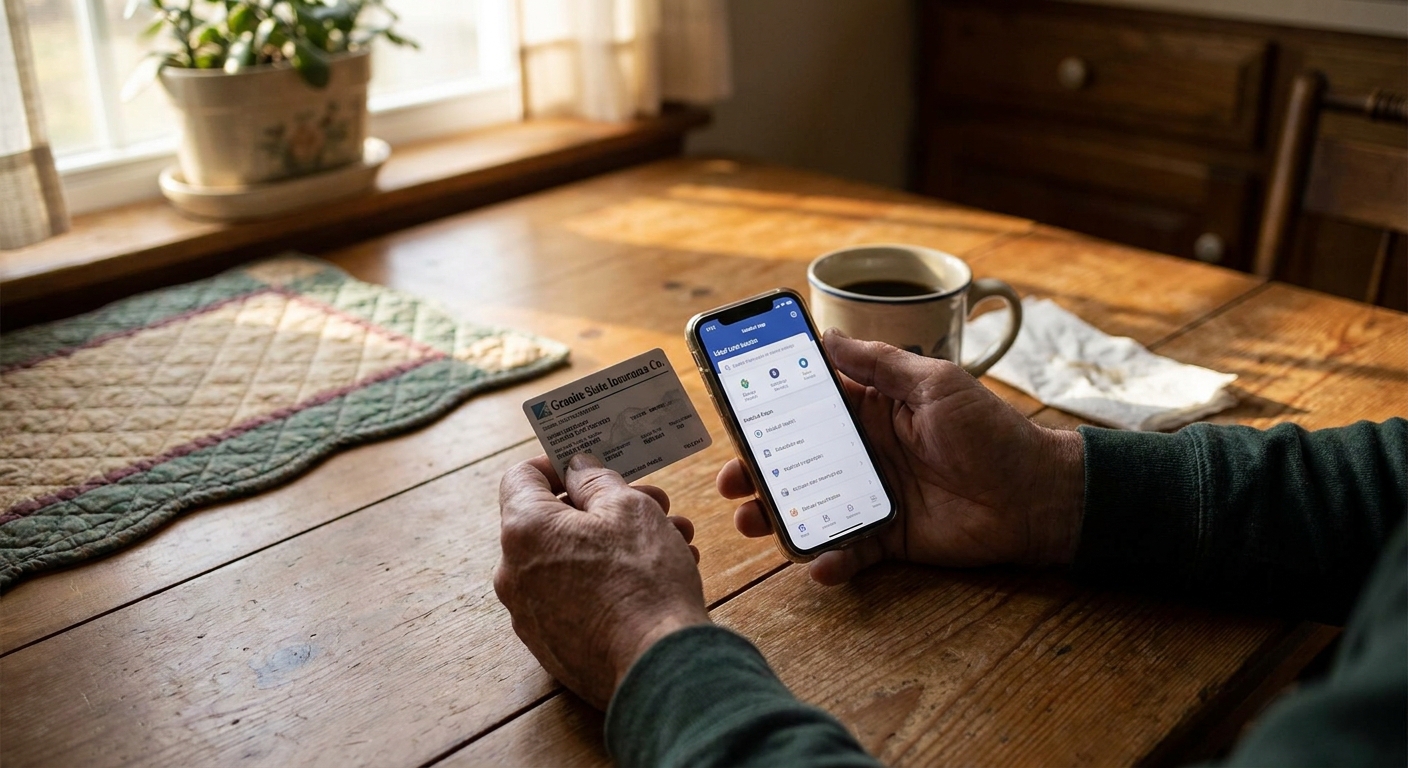
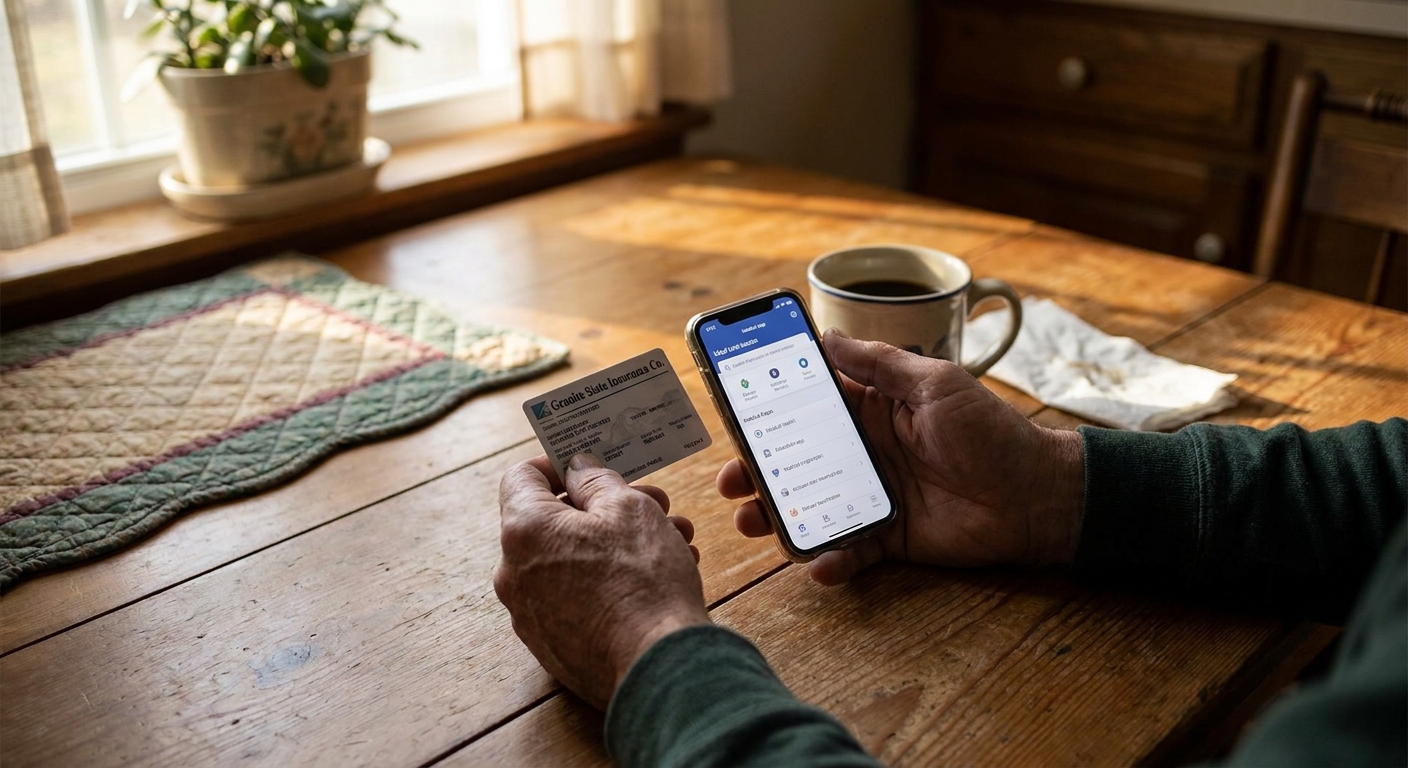
The action: call the member services number on your insurance card and ask one specific question, whether buprenorphine/naloxone requires prior authorization under your current plan, and if so, what documentation your prescriber needs to submit.
When suboxone alone isn’t enough: residential treatment in bethlehem
A 2022 study in the Journal of Substance Abuse Treatment following 1,100 patients over 12 months found that individuals who combined buprenorphine with structured behavioral treatment had significantly lower rates of opioid-positive urine screens and higher rates of treatment retention than those on medication alone. The mechanism is not complicated: medication stabilizes brain chemistry, but it does not address the environments, relationships, and thought patterns that drive use.
For someone with severe opioid use disorder, a co-occurring mental health condition like PTSD or depression, or a history of repeated outpatient relapses, an outpatient prescription is often not enough. Residential treatment provides 24-hour clinical support, medical management, and behavioral programming in an environment removed from daily triggers. If you have been through outpatient treatment before without sustained results, understanding what residential MAT-integrated care involves gives you a clearer picture of whether that level of care fits your situation. The action: if multiple outpatient attempts have not held, ask a provider directly whether residential level of care is clinically appropriate for you.
What residential detox with MAT looks like
ASAM’s Level of Care criteria define clinically managed residential detox (Level 3.2-WM) and medically monitored intensive inpatient treatment (Level 3.7) as distinct from simple withdrawal management. At a residential program that integrates buprenorphine, you receive 24/7 nursing monitoring, physician-managed induction, a taper or maintenance plan determined by clinical need, and a structured transition to outpatient MAT after discharge.
Residential detox with buprenorphine is not the same as detoxing cold. It is medically managed stabilization that keeps withdrawal tolerable while the clinical team addresses what comes next. New Hampshire Detox Center uses medication to ease withdrawal and curb cravings as a core part of its treatment model, paired with counseling, so that stabilization and behavioral support happen at the same time rather than sequentially. The action: when evaluating any residential program, ask directly whether they prescribe buprenorphine on-site or require patients to be off MAT before admission.
What to try this week
Open findtreatment.gov, enter ZIP code 03574, and make one call today to the closest buprenorphine-certified provider on the list. If the wait is long or no local provider is available within a practical distance, contact a New Hampshire residential program that manages MAT on-site as your immediate next step. That one call is the move that starts everything else.
Frequently asked questions
Do I need a special doctor to prescribe suboxone in bethlehem, NH?
Since 2023, any DEA-licensed practitioner with Schedule III prescribing authority can legally prescribe buprenorphine. You no longer need to find a provider with a specific X-waiver, which expands your options considerably in rural Grafton County.
Can I get a suboxone prescription through telehealth in new hampshire?
Yes. Under DEA rules extended through 2025, a New Hampshire-licensed provider can initiate and manage buprenorphine treatment via video visit without a prior in-person exam. For patients in Bethlehem, telehealth is a fully legal and clinically equivalent alternative when no local in-person provider is available.
Will my insurance cover suboxone treatment?
Most plans covering New Hampshire residents, including Aetna, Anthem, Cigna, Harvard Pilgrim, Tufts, Tricare, and all three Medicaid managed care plans, cover buprenorphine/naloxone. Prior authorization is the most common hurdle. Call member services and ask specifically whether your plan requires it before the prescription is filled.
What is the difference between outpatient suboxone treatment and residential MAT?
Outpatient treatment means a prescriber manages your medication while you live at home. Residential MAT means you receive medically supervised detox and buprenorphine induction in a 24-hour clinical setting, combined with behavioral counseling. Residential care is appropriate when outpatient attempts have not held or when co-occurring conditions require closer monitoring.
How long does suboxone treatment last?
Clinical guidelines from SAMHSA do not set a fixed duration. Treatment length is determined by individual clinical need, and research consistently shows that longer duration of buprenorphine maintenance is associated with better outcomes. Stopping too early is one of the most common reasons for relapse.
What happens at a suboxone induction appointment?
Your provider will run a PDMP check and urine drug screen, complete a clinical assessment, and determine your starting dose. Many providers now use home induction, where you begin your first dose at home once you are in mild withdrawal, following written instructions from your prescriber. Ask the office in advance which protocol they use.