
How Much Does Detox Cost in New Hampshire? Pricing, Insurance, and Out-of-Pocket
When a parent calls New Hampshire Detox to ask what detox costs, the intake team starts with a different question: is your adult child safe right now, or do they need emergency medical care this hour? That order is deliberate. If you are up late typing “how much does detox cost in New Hampshire” into your phone while your son or daughter is in the next room, you are not comparison shopping. You want to know whether there is a safe path you can afford before things get worse.
Take a breath. You don’t have to figure this out alone tonight. This guide explains what makes a detox stay cost more or less, how insurance works with the specific plans New Hampshire Detox accepts, what shapes the amount families actually owe, and why, at New Hampshire Detox in Bethlehem, NH, the money conversation always comes after the safety conversation.
How Much Does Detox Cost in New Hampshire, Really?
There is no single price for detox in New Hampshire, and any provider that quotes one figure without asking about your child is guessing. The total cost of a medical detox stay depends on four things: what your child is withdrawing from, how long they need to stay, how closely they need medical monitoring, and which medications are part of their care.
The range of possible costs is wide, and at first that can feel like a door slamming shut. It is wide because detox is not one fixed service. Someone coming off meth may mainly need support through exhaustion, low mood, and broken sleep. Someone who has been drinking heavily every day for years, or who has been taking benzodiazepines, may need much closer medical watching, because withdrawal from those substances can become dangerous. Both people are “in detox,” but they need very different amounts of care.
Length of stay is the second big factor. It varies with the substance and with how your child’s body responds. Every day includes a bed, meals, staff who are awake and watching, and medical support. Medications matter too. New Hampshire Detox offers MAT (Medication Assisted Treatment) as one of its levels of care, which can be part of managing opioid withdrawal from heroin or other opioids. Alcohol and benzodiazepine withdrawal call for careful medical management. Medications can add to the cost, but they also make withdrawal safer and easier to bear.
The most important thing to know is that published price figures online describe total charges before insurance pays anything. Most families with coverage never pay that full number. Your actual share depends on your plan, and New Hampshire Detox checks your benefits so you are not guessing.
Why Does One Family Pay Less and Another Pay More?
The biggest price driver is how medically risky withdrawal is for your child. Alcohol and benzodiazepine withdrawal need the most intensive monitoring because they can involve seizures and unstable vital signs. That extra medical care generally costs more than support for stimulant withdrawal or most opioid withdrawal.
With daily alcohol or benzo use, the brain adjusts to having the substance present. When it stops suddenly, the nervous system can swing hard the other way: shaking, sweating, a racing heart, rising blood pressure, and in serious cases seizures or delirium tremens, a state of severe confusion that can include hallucinations. That is why medically supported withdrawal for these substances involves close monitoring rather than simply waiting it out. It is also why New Hampshire Detox asks about alcohol and benzodiazepines by name on the very first call, and why it runs a dedicated Alcohol Addiction Treatment Program and Benzo Addiction Treatment Program.
Opioid withdrawal works differently. It is miserable, with body aches, vomiting, diarrhea, anxiety, and intense cravings. For an otherwise healthy adult it is usually not life-threatening on its own, but dehydration and the strong pull to use again are real dangers. New Hampshire Detox’s Heroin Addiction Treatment Program and Opioid Addiction Treatment Program are built for this, with MAT available. Meth withdrawal is mostly a crash: deep fatigue, depression, and sometimes thoughts of self-harm. It is less physically dangerous, but it calls for close attention to mood, which is what the Meth Addiction Treatment Program is designed around.
The setting changes the price as well. Hospital inpatient detox is billed at hospital rates. New Hampshire Detox provides medically supported withdrawal management in a home-like, non-hospital residential setting in Bethlehem, NH. For people who screen as a safe fit, that means medical support in a place where your child is treated like a person, not a case number. For people whose needs call for a higher level of medical care, the team says so directly and points the family there. Placement follows the same idea behind the American Society of Addiction Medicine’s level-of-care criteria: match the person to the right level of care, not the most convenient one.
Will Your Insurance Pay for Detox, and How Much?
Many insurance plans cover detox when it is medically necessary, because detox counts as medical stabilization rather than an elective service. New Hampshire Detox accepts Aetna Commercial, Anthem Commercial, Evernorth (Cigna) Commercial, AmeriHealth Caritas Medicaid, Wellsense Medicaid, and Curative Health, and the team checks your benefits before admission.
How much your plan pays is specific to your plan. Three things shape what your family actually owes:
- Your deductible: how much of it has already been met this year.
- Network status: whether the facility is in-network for your specific plan, which affects your coinsurance.
- Prior authorization: whether your plan requires approval before or soon after admission.
Parents on Medicaid often assume they have no good options, and that is frequently not true. New Hampshire Detox accepts both AmeriHealth Caritas Medicaid and Wellsense Medicaid. The only way to know for certain what applies to your child is to verify, and that is the next step.
Here is what verification involves from your side. You call and share basic plan information: the member ID on the card, the policyholder’s name, and your child’s date of birth. The team then checks your coverage with the insurer, looking at things like the deductible, coinsurance, out-of-pocket maximum, and any authorization rules, and explains in plain language what that means for your family. Ask on the call what they found and what your expected share looks like, so the figure is built from your real benefits instead of a guess.
The Number You See Online Is Probably Not What You Will Pay
Once you understand how insurance works, the big numbers online start to look different. Those figures are total charges. What a covered family owes is usually whatever remains of the deductible plus coinsurance, up to the plan’s out-of-pocket maximum.
That means timing matters. If your family has already had medical bills this year, perhaps from emergency visits connected to your child’s substance use, part of your deductible may already be met, and your share could be lower than you expect. If your deductible reset in January and nothing has been paid toward it yet, your share may be higher. Verification tells you which situation you are in. That is why the honest answer to “how much does detox cost in New Hampshire” usually starts with “it depends on your plan, so let’s check it.”
Some families face a different problem. Their insurance may not include residential detox, or they may have a plan New Hampshire Detox does not accept. New Hampshire Detox accepts private pay, so families in those situations can ask about self-pay on the first call. If authorization timing is a concern because your child needs to come in now, raise it right away so the team can tell you what is possible.
You may have paid for treatment before. If your loved one struggled afterward, you may be wondering whether it is worth spending money again, and that is a fair question, because recovery experiences vary and setbacks are common. Detox by itself is a starting point, not the whole answer. That is why New Hampshire Detox builds aftercare and recovery planning into the stay, and offers residential treatment as a next level of care. No program can promise lasting recovery, but leaving detox with a real next step may give your child better footing than leaving with nothing.
Waiting to Save Money Can Cost Far More Than Detox
It is natural to want to hold off until you are sure about the money. Still, delaying detox can lead to complications. Unsupervised withdrawal and continued use can lead to ER visits, hospital stays, and overdoses that usually cost more in dollars and can cost your child’s life.
When someone tries to stop alcohol or benzodiazepines at home, the risks include seizures, delirium tremens, and dangerous changes in heart rate and blood pressure. Any of these can mean an ambulance ride, an emergency room visit, and a hospital admission billed at hospital rates. At home, no one is checking vital signs at 3 a.m., and no one is adjusting care when symptoms climb.
With opioids, the danger is the drug supply itself. The National Institute on Drug Abuse warns that illegally made fentanyl is often mixed into other drugs, so people may not know what they are taking. Every additional day of use is another day of that risk. There is also a hidden danger after a failed home detox. Tolerance drops quickly, so if your child goes back to the amount they used before, that dose can cause an overdose.
This is not meant to frighten you. You already live with the fear. It is meant to put the price tag in context, because it is not the only risk on the table. When medically supported withdrawal heads off a seizure or an overdose, it may prevent the very emergencies that send families to the hospital anyway. It also means your child gets through the hardest days knowing they aren’t alone.
What Should You Ask a Detox Provider Before You Agree to Anything?
When you are ready to talk to a provider, ask for four things: an explanation of your expected share after benefits are checked, a clear list of what the daily rate includes, whether aftercare planning is part of the program, and how billing works if your child leaves early or stays longer. Those answers tell you more about true cost than any advertised price.
Here are the questions in practical form:
- “Can you verify our benefits and tell us what we are likely to owe?” A vague “you should be fine” is not enough. Ask for it in writing if you can.
- “Are medications and medical monitoring included in the daily rate, or billed separately?” A low daily rate that adds charges for MAT medications or lab work can end up costing more.
- “Is aftercare and recovery planning part of the program, or an extra charge?” You want to know what happens on discharge day before you sign anything.
- “How does billing work if my child leaves early, or if they need more days?” Ask how early discharge is handled and how extra days are authorized.
The aftercare question matters most, and it gets skipped most often. Some facilities treat detox as a transaction: stabilize, discharge, done. Your child walks out with lower tolerance and no plan, which is one of the riskiest moments in early recovery. At New Hampshire Detox, aftercare and recovery planning are part of the program, and residential treatment is available as a next step, so there is a transition instead of a cliff.
That approach reflects what New Hampshire Detox is built around: personalized healing, recovery support, and a focus on the individual’s path. The Men’s Rehab Program and Women’s Rehab Program carry that same focus. In plain terms, the goal is not just to get your child through withdrawal. It is to get them through it with dignity and a path forward, so you are not facing this same phone call a few weeks from now.
Before Anyone Talks About Money, Someone Asks Whether Your Child Is Safe
All of the cost details above matter, but they come second. Every call to New Hampshire Detox opens with immediate safety, not admission logistics or a price quote. If there are signs of a medical or psychiatric emergency, the team directs you to emergency care right away rather than telling you to wait.
The first questions are about what is happening right now. Is your child conscious and responsive? Are they breathing normally? Is there a medical emergency such as severe confusion, vomiting that won’t stop, seizure activity, or chest pain? Then the team checks behavioral health safety. Is your child having suicidal or homicidal thoughts? Is there a plan or intent? Are they severely agitated, or showing signs of psychosis?
Next come the substance questions. What did they use? How much? When did they last use? Was it more than one substance? Have they been drinking or taking benzodiazepines? Finally, the team asks about relevant medical history and current medications.
Alcohol and benzodiazepines are named specifically because withdrawal from those substances can become medically dangerous. You don’t have to diagnose the situation yourself. You describe what you are seeing, and the team asks the questions that matter.
If anything points to an emergency, the instruction is clear: call 911 or go to the nearest emergency room now. If your child is talking about suicide, the 988 Suicide and Crisis Lifeline is available by call or text. If there is no immediate emergency, the screening continues to determine whether New Hampshire Detox’s level of care is appropriate. Only then does the call move to insurance and admissions. If you want a neutral place to explore options at any hour, SAMHSA’s National Helpline offers free, confidential treatment referral information.
What Else Do Parents Ask Before They Call?
These are short answers to the questions parents ask most often once the safety screen is done. Each one comes back to the same idea: the safest next step is real information about your own child and your own plan.
Does Medicaid help pay for detox in New Hampshire?
New Hampshire Detox accepts AmeriHealth Caritas Medicaid and Wellsense Medicaid. Benefits verification confirms what your child’s plan covers before admission.
What if insurance won’t authorize detox before my child needs help?
New Hampshire Detox accepts private pay. Raise authorization timing on the first call so the team can explain your options and a paperwork delay does not become a safety delay.
How long does detox take, and does length of stay affect cost?
It depends on the substance and how your child’s body responds. Longer stays cost more in total, which is why it helps to ask how additional medically necessary days are handled with your plan.
Is residential detox safer than detoxing at home?
For alcohol and benzodiazepines especially, yes, because withdrawal from those substances can become medically dangerous and needs monitoring that home cannot provide. In residential detox, your child stays on site with staff watching their withdrawal.
What happens after detox ends?
Aftercare and recovery planning are part of the New Hampshire Detox program, and residential treatment is available as a next level of care. Your child leaves with a plan, not just a discharge time.
Can I get a cost estimate before admission?
Yes, ask for one. New Hampshire Detox checks your insurance benefits before admission so you can understand your expected out-of-pocket cost.
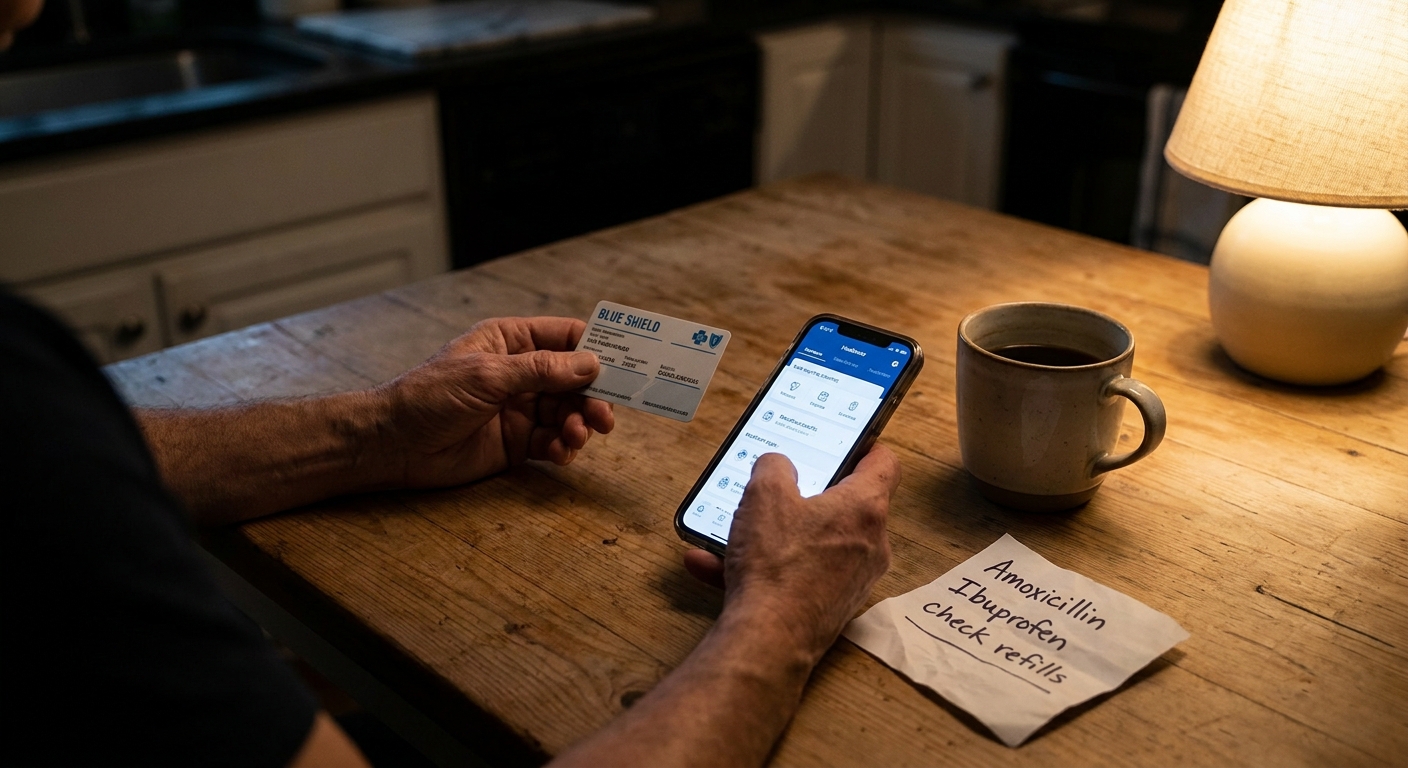
Your next step is a single phone call. Call New Hampshire Detox in Bethlehem at 502-830-3523 to verify your insurance benefits and complete the safety screening that shows whether your adult child is a fit for residential detox or needs emergency care this hour. Before you dial, grab the insurance card and write down what your child took, how much, and when they last used. With those two things in hand, the team can move from the safety questions to your coverage in the same conversation. You will no longer be carrying the cost question, or the rest of tonight, by yourself.
Ready to Get Clear Answers About Detox Costs?
If you’re trying to understand what detox will actually cost and how your insurance might help, you’re not alone in feeling uncertain about the financial side of treatment. The team at New Hampshire Detox in Bethlehem is here to walk you through your coverage, explain your options, and help you focus on recovery instead of confusing bills. One conversation can give you the clarity you need to move forward.