
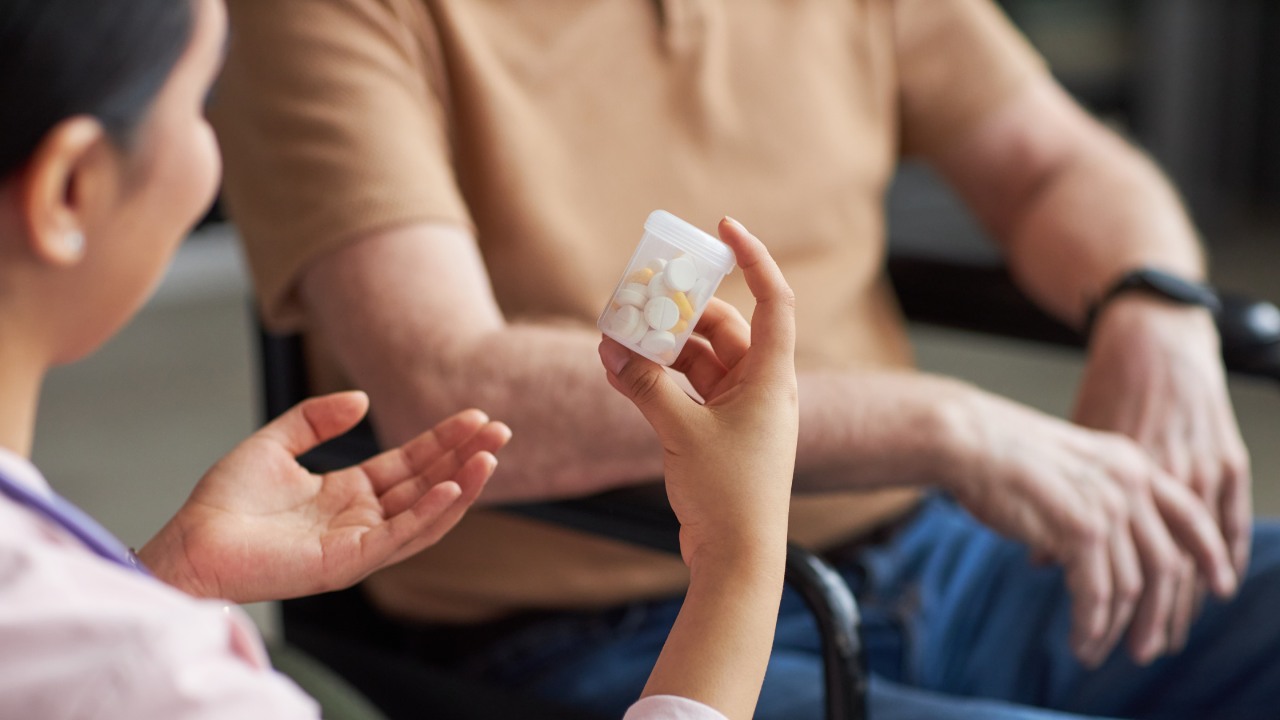
Medication-assisted treatment gives people with opioid or alcohol use disorder a clinically proven path through early recovery, one that combines FDA-approved medications with counseling to address both the physical and behavioral sides of addiction. If you’re trying to understand how MAT actually works, what medications are involved, and whether it’s right for you or someone you care about, this guide covers all of it in plain language.
What is medication-assisted treatment (MAT)?
Medication-assisted treatment is the use of FDA-approved medications, combined with counseling and behavioral therapies, to treat substance use disorders. It’s not a shortcut or a lesser form of treatment. According to SAMHSA, more than 80% of people with opioid use disorder in the United States do not receive any form of treatment, and the gap is even wider in rural states like New Hampshire. MAT exists specifically to close that gap by reducing the physical barriers, like withdrawal and cravings, that keep people from engaging with care in the first place.
The “assisted” in MAT matters. The medication is one part of a structured treatment plan. The other part is therapy, which addresses the thinking patterns, relationships, and underlying experiences that fuel addictive behavior. Neither element works as well without the other.
The medications used in MAT
Three medications are FDA-approved for opioid use disorder, and a separate set of medications is approved for alcohol use disorder. Which medication is right for you is a decision made by a licensed clinician based on your medical history, the severity of your disorder, and your treatment setting. This is not a menu you self-select from.
Buprenorphine
Buprenorphine is a partial opioid agonist, which means it activates opioid receptors in the brain but only partially, enough to suppress withdrawal symptoms and reduce cravings without producing the intense high associated with full opioids. A 2020 review published in the New England Journal of Medicine found that buprenorphine reduces opioid use, overdose deaths, and criminal activity compared to no medication treatment. One of its practical advantages is that it can be prescribed in office-based settings, meaning you don’t have to visit a specialized clinic every day. For people in northern New Hampshire, where treatment infrastructure is limited, that level of access matters. If you’re exploring what buprenorphine-based care looks like in this region, understanding that flexibility is a good starting point.
Methadone
Methadone is a full opioid agonist dispensed through federally certified opioid treatment programs. Unlike buprenorphine, it must be administered at a licensed clinic, at least initially, which means daily visits during the early phase of treatment. That structure is intentional. The clinic setting provides consistent medical oversight, accountability, and access to counseling. Methadone has decades of evidence behind it and remains one of the most effective treatments for people with severe opioid use disorder who haven’t responded to other options.
Naltrexone
Naltrexone works differently from buprenorphine and methadone. It’s an opioid antagonist, meaning it blocks opioid receptors entirely so that opioids produce no euphoric effect. It’s non-addictive and available as a daily oral pill or a monthly injection under the brand name Vivitrol. The monthly injection is particularly useful for people who struggle with daily medication adherence. The catch: naltrexone requires complete detox before starting. Any opioids in your system at the time of the first dose will trigger immediate, severe withdrawal. For people considering this option, understanding how Vivitrol fits into a broader recovery plan is worth exploring before making a decision.
Medications for alcohol use disorder
Three medications are FDA-approved for alcohol use disorder. Naltrexone reduces cravings and the rewarding effects of drinking. Acamprosate stabilizes brain chemistry disrupted by long-term alcohol use, particularly during early abstinence. Disulfiram works differently: it causes an unpleasant physical reaction if alcohol is consumed, creating a chemical deterrent. As with opioid medications, the right choice depends on your clinical profile and treatment goals.
How MAT works alongside counseling
MAT is not just taking a pill. That framing misses what the treatment actually does. According to NIDA, medication combined with behavioral therapy produces consistently better outcomes than either approach alone, including higher rates of treatment retention, fewer relapses, and lower overdose mortality. The medication stabilizes your brain chemistry, which makes you physically capable of engaging with therapy. The therapy does the work of rebuilding the habits, relationships, and coping strategies that addiction dismantles.
In practice, an integrated MAT program involves regular medical check-ins to manage your medication, individual or group counseling sessions focused on behavioral change, and a care plan that adjusts as you progress. At New Hampshire Detox Center, MAT is built into personalized treatment plans from the start, not offered as a standalone service after the fact.
Does MAT replace one addiction with another?
This is the most common misconception about MAT, and it stops people from seeking treatment that would genuinely help them. The short answer is no.
SAMHSA and the American Society of Addiction Medicine both draw a clear distinction between physical dependence and addiction. Physical dependence means your body has adapted to a medication, and stopping it abruptly causes withdrawal. Addiction means compulsive drug-seeking behavior that disrupts your life despite negative consequences. Someone taking buprenorphine as prescribed, attending counseling, and rebuilding their life is not addicted to buprenorphine. They are physically dependent on a medication that keeps them stable, the same way a person with hypertension is dependent on their blood pressure medication.
When a skeptical family member raises this objection, the clearest answer is this: addiction is defined by behavior, not by biology. MAT changes the biology so the behavior can change.
Who is a candidate for MAT?
MAT is appropriate for people with a diagnosed moderate-to-severe opioid or alcohol use disorder. A clinical evaluation looks at the severity of the disorder, any prior treatment history, your current physical health, and whether you’re in a setting where MAT can be safely initiated and monitored. It works across multiple levels of care, including outpatient programs, residential treatment, and as a follow-on to medical detox.
The outcomes data is clear. A 2019 analysis in JAMA Psychiatry found that patients receiving medications for opioid use disorder were 50% less likely to die from overdose compared to those who received no medication. If you’re weighing your options in New Hampshire, understanding how MAT integrates into residential and outpatient care gives you a fuller picture of what to expect from a real program.
What to do this week
If you or someone you care about is dealing with opioid or alcohol use disorder, contact a licensed treatment provider and ask directly: is MAT part of your program, and how does it work alongside counseling? You’re not committing to anything by asking. You’re starting a conversation that could determine whether treatment actually works this time. That question is worth making today.
Frequently asked questions
How long does medication-assisted treatment last?
The duration depends on the individual. SAMHSA recommends against arbitrary time limits on MAT. For many people with opioid use disorder, long-term or indefinite use of medications like buprenorphine is appropriate and associated with better outcomes. Your treatment team adjusts the plan based on your stability and goals.
Can you do MAT in a residential treatment setting?
Yes. MAT is compatible with residential treatment and is often initiated during or immediately after medical detox. Residential programs that incorporate MAT give you the structure of around-the-clock support while the medication stabilizes your withdrawal and cravings.
Does insurance cover medication-assisted treatment in new hampshire?
Most major insurance plans cover MAT, including Medicaid, commercial plans like Aetna, Anthem, Cigna, Harvard Pilgrim, and Tufts, as well as Tricare. Coverage specifics vary by plan, so confirming your benefits directly with a treatment provider before starting is the straightforward move.
Is MAT safe for people with other health conditions?
A licensed clinician reviews your full medical history before prescribing any MAT medication. Certain conditions affect which medications are appropriate, which is why the clinical evaluation step is non-negotiable. Transparency with your provider about all current medications and health conditions is what makes the process safe.
What happens if you relapse while on MAT?
A relapse during MAT is a clinical event, not a reason to stop treatment. Your care team adjusts your plan in response. The medication continues to reduce overdose risk even during a relapse, which is one of the reasons MAT saves lives even when recovery isn’t linear.