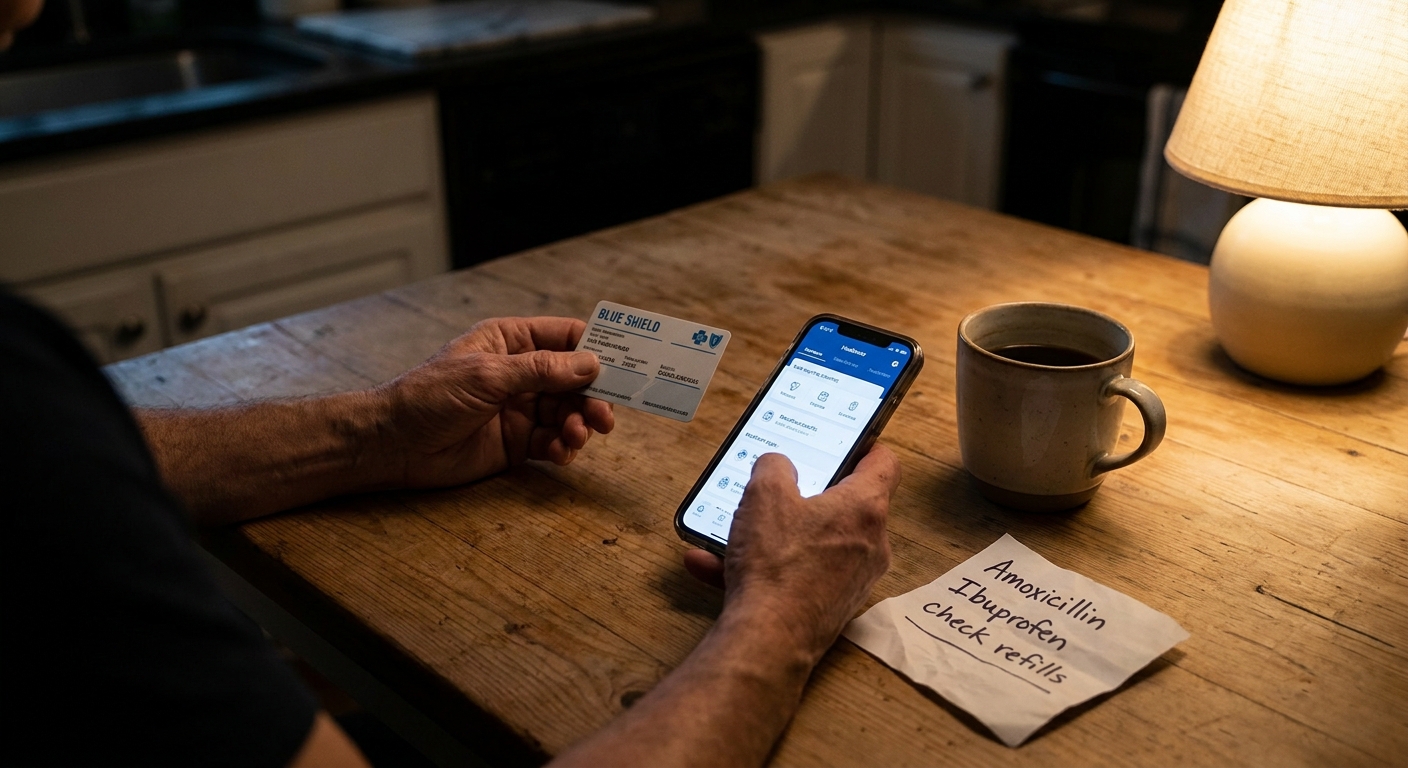

PPO rehab coverage in Bethlehem, New Hampshire works differently than most people expect, and understanding the mechanics before you pick up the phone saves time, money, and unnecessary stress. This guide walks through exactly what PPO plans cover for detox and residential treatment, how major carriers handle prior authorization, and what to verify before your admission date.
What PPO insurance actually covers for rehab
According to a 2023 report from the Kaiser Family Foundation, PPO plans account for nearly 49% of all employer-sponsored health insurance enrollment in the United States, making them the single most common plan type among commercially insured adults seeking addiction treatment. If you hold a PPO, that structure comes with a specific set of advantages when accessing rehab in Bethlehem or traveling from elsewhere in New Hampshire.
PPO plans cover the full continuum of addiction treatment: medically supervised detox, residential inpatient rehab, partial hospitalization (PHP), and intensive outpatient (IOP). The defining feature of a PPO is flexibility. Unlike an HMO, a PPO does not require you to obtain a referral from a primary care physician before entering residential treatment. You also retain the right to use out-of-network providers, which means a facility in Bethlehem is accessible to you even if it sits outside your carrier’s contracted network, though your cost-sharing will differ.
Detox coverage under a PPO plan
Medically supervised detox is a distinct, billable level of care under most PPO plans, not a subset of general hospitalization. The Mental Health Parity and Addiction Equity Act (MHPAEA), enacted federally in 2008 and strengthened through subsequent regulatory guidance, legally requires that insurers cover substance use disorder (SUD) treatment at parity with medical and surgical benefits. In practice, this means your insurer cannot impose more restrictive prior authorization standards or lower reimbursement rates for detox than it would for, say, a cardiac procedure requiring inpatient monitoring.
Before admission to a detox program, confirm three things with your insurer: whether the facility is in-network, what your co-insurance rate is for inpatient behavioral health, and whether prior authorization is required for detox specifically. Many PPO plans cover detox under the inpatient behavioral health benefit, but some route it through medical benefits depending on the primary diagnosis code used at admission. Asking this question directly prevents billing surprises after discharge.
Residential treatment coverage
Residential rehab under a PPO plan typically requires prior authorization, and the insurer will evaluate whether treatment meets its definition of “medical necessity.” That phrase has a specific clinical meaning: the insurer’s utilization review team will assess whether your diagnosis, symptom severity, and risk factors meet the criteria outlined in ASAM (American Society of Addiction Medicine) placement guidelines. A 2020 study published in the Journal of Substance Abuse Treatment found that patients receiving residential treatment had significantly better 12-month outcomes for abstinence and reduced hospitalizations compared to those who received only outpatient care, which supports the clinical case for residential authorization.
Length-of-stay reviews are standard. Your insurer will approve an initial period, often three to seven days, and then conduct concurrent reviews to determine whether continued residential care remains medically necessary. Facilities in Bethlehem handle these reviews directly with your insurer, but you have the right to request the specific medical necessity criteria in writing before you enter treatment. Call the behavioral health number on the back of your insurance card and ask for the clinical review criteria applicable to residential SUD treatment. Insurers are required to provide this documentation upon request.
Outpatient levels of care
PHP and IOP function as step-down levels of care following residential treatment, and both are covered under most PPO plans. SAMHSA’s 2023 National Survey on Drug Use and Health found that continuity of care across treatment levels is one of the strongest predictors of sustained recovery at 12 months, which is why sequencing residential treatment into PHP and then IOP matters clinically, not just administratively.
When you’re planning your treatment course, ask the admissions team at your facility to sequence your levels of care in a way that aligns with your insurance benefit year. If you have significant deductible exposure remaining, entering residential treatment earlier in the calendar year means you’ll hit your out-of-pocket maximum while still in PHP or IOP, effectively zeroing out cost-sharing for those later stages. Your treatment team and admissions coordinator can help you map this against your specific benefits.
Major PPO insurers accepted in bethlehem, new hampshire
The primary commercial PPO carriers active in New Hampshire include Aetna, Anthem Blue Cross Blue Shield of New Hampshire, Cigna, Harvard Pilgrim Health Care, and Tufts Health Plan. Tricare covers military families and active-duty service members. Coverage terms vary by plan tier even within the same carrier: an Aetna Choice POS II plan has different out-of-network reimbursement rates than an Aetna Signature Administrators PPO, for example. Locating your specific plan documents, either through your employer’s HR portal or your carrier’s member website, is the first step before calling any treatment facility.
Aetna PPO rehab benefits
Aetna covers SUD treatment under its behavioral health benefits, administered through Aetna Behavioral Health. For in-network residential rehab, Aetna applies standard co-insurance rates after your deductible, typically ranging from 10% to 30% depending on your specific plan tier. For out-of-network facilities, Aetna PPO plans reimburse at a percentage of the “allowed amount,” which is Aetna’s internally set rate for a given service, not the facility’s billed charge. Prior authorization is required for residential and detox levels of care under most Aetna PPO plans.
Aetna is required under MHPAEA to apply the same prior authorization standards to behavioral health services that it applies to comparable medical services. If you hold an Aetna PPO and want to understand your benefits before entering treatment, you can read more in the detailed breakdown of how Aetna-covered facilities work in New Hampshire. The single most useful question to ask Aetna’s behavioral health line: “What are the specific ASAM criteria levels that qualify for residential SUD authorization under my plan?”
Anthem PPO rehab benefits
Anthem Blue Cross Blue Shield is among the largest insurers in New Hampshire by enrolled members. Anthem administers behavioral health benefits in-house for most of its commercial PPO products, meaning you call Anthem directly rather than a third-party behavioral health manager. For residential rehab, Anthem requires prior authorization and conducts concurrent length-of-stay reviews. Anthem’s New Hampshire commercial PPO plans comply with the state’s mental health parity law, which mirrors and in some respects exceeds federal MHPAEA requirements.
For the details on how Anthem handles residential and detox authorization in New Hampshire, the carrier-specific breakdown of what Anthem covers for addiction treatment covers prior auth timelines and what documentation Anthem typically requests. To verify network status for a specific facility, log into Anthem’s member portal at anthem.com, select “Find Care,” filter by behavioral health, and enter the facility’s name or NPI number. Network status displayed there reflects your specific plan’s contracted providers.
Cigna, harvard pilgrim, and tufts PPO coverage
Cigna administers behavioral health through Cigna Behavioral Health and requires prior authorization for residential and detox levels of care. Cigna PPO plans generally have a defined out-of-network reimbursement structure, and Cigna applies MHPAEA parity standards across all SUD benefit categories. Harvard Pilgrim Health Care and Tufts Health Plan are both part of the Point32Health family of plans, which means their behavioral health administrative processes are closely aligned, though plan documents may still differ by product line.
Before calling a treatment facility with any of these three carriers, pull your Summary of Benefits and Coverage (SBC) document from your member portal and locate the line item for “inpatient mental health and substance use disorder treatment.” That entry will show your in-network deductible and co-insurance, your out-of-network cost-sharing, and whether prior authorization is required. For a carrier-specific look at Harvard Pilgrim’s approach to SUD benefits, the coverage overview for Harvard Pilgrim members seeking treatment in New Hampshire is a useful reference.
Tricare coverage for rehab in new hampshire
Tricare covers residential SUD treatment for active-duty service members, veterans, and eligible dependents, but the authorization pathway differs significantly from commercial PPO plans. A 2022 Department of Defense report found that SUD diagnoses among active-duty personnel increased 12% over the prior five years, and Tricare has expanded its behavioral health network in response. The distinction between Tricare Prime and Tricare Select matters here: Tricare Prime requires a referral from your Primary Care Manager (PCM) before entering residential rehab, while Tricare Select operates more like a PPO and allows direct access to network providers without a referral.
For a full breakdown of the authorization steps Tricare members must complete before entering residential treatment in New Hampshire, the guide to Tricare coverage for rehab in New Hampshire walks through both Prime and Select pathways. The first step regardless of Tricare plan type: call the Regional Contractor (Health Net Federal Services for the East region) to confirm facility network status and initiate pre-authorization before your admission date.
How the prior authorization process works
A 2022 American Medical Association survey found that 94% of physicians reported that prior authorization delays negatively affect patient care, and 34% said delays led to a serious adverse event for a patient in their care. For residential addiction treatment, delays in authorization directly reduce treatment initiation rates. Understanding how the process works means you can move through it faster.
The prior authorization process for residential rehab works as follows: the treatment facility’s admissions or utilization review team contacts your insurer before or at the time of admission with a clinical summary that includes your diagnosis, substance use history, prior treatment history, and ASAM level-of-care recommendation. The insurer’s utilization management staff review the clinical documentation against their medical necessity criteria, typically within 24 to 72 hours for standard reviews. If approved, the insurer issues an authorization number covering an initial stay period. The facility then submits concurrent review documentation at defined intervals to maintain authorization for continued stay.
Your role in this process is to ensure the treatment facility has your current insurance card and member ID before or on the day of admission, and to have signed a release of information allowing the facility to communicate with your insurer. Delays almost always trace back to missing documentation or an outdated member ID, not to the clinical review itself.
What to do if authorization is delayed or denied
Under federal law and New Hampshire state insurance regulations, you have the right to appeal a prior authorization denial. According to a 2023 report from the New Hampshire Insurance Department, members who formally appeal adverse benefit determinations succeed in reversing or modifying the decision approximately 40% of the time at the internal appeal stage. That number makes filing an appeal worth the effort rather than accepting the denial as final.
When authorization is delayed or denied, request the denial letter in writing immediately. The letter must state the specific clinical reason for the denial and reference the medical necessity criteria applied. If the situation is clinically urgent, request an expedited appeal, which insurers are required to resolve within 72 hours under federal rules. The first call to make within 24 hours of a denial: reach the treatment facility’s utilization review coordinator and ask them to file the appeal on your behalf with supporting clinical documentation. Facilities with experienced UR teams handle this routinely.
Understanding your out-of-pocket costs
A 2021 Peterson-KFF Health System Tracker analysis found that out-of-pocket spending for behavioral health services averages $263 per visit for commercially insured adults, roughly five times higher than for primary care, reflecting both higher co-insurance rates and the frequency of visits in intensive treatment programs. For a residential stay, your total exposure depends on three variables: your deductible, your co-insurance rate, and your plan’s out-of-pocket maximum.
The deductible is the amount you pay before insurance begins covering costs. Co-insurance is the percentage you pay after the deductible is met, typically 10% to 30% for in-network behavioral health under PPO plans. The out-of-pocket maximum is the ceiling on your total annual spending: once you reach it, the insurer covers 100% of covered services for the remainder of the benefit year. A single phone call to your insurer’s member services line, asking for your current deductible accumulation and out-of-pocket maximum balance, gives you a precise picture of your financial exposure before admission.
In-network vs. out-of-network rehab facilities
When a facility is in-network for your PPO, your insurer has a contracted rate for each service, and your cost-sharing is calculated against that rate. When a facility is out-of-network, your insurer reimburses at a percentage of its “allowed amount,” which is lower than billed charges. A 2019 Health Affairs study found that out-of-network behavioral health claims were 4.8 times more likely to be billed at rates exceeding the insurer’s allowed amount compared to medical and surgical claims, which can generate unexpected balance bills.
The good news for PPO holders: most PPO plans include meaningful out-of-network benefits. If the facility you want is out-of-network, you still have coverage, it just costs more. When calling your insurer to confirm benefits, ask specifically about: your out-of-network deductible (often separate and higher than in-network), your out-of-network co-insurance rate, whether the plan has a non-participating provider clause that eliminates out-of-network benefits entirely (rare but real), and whether balance billing is subject to any state surprise billing protections.
Using your out-of-pocket maximum
Once you reach your annual out-of-pocket maximum, the insurer covers 100% of covered services for the rest of the benefit year. For longer residential stays, this makes timing strategically relevant. If you are in January and your deductible is $2,000 with a $6,000 out-of-pocket maximum, entering a 30-day residential program means you may reach your maximum mid-stay, eliminating cost-sharing for PHP and IOP that follows.
To use this to your advantage, call your insurer before admission and ask: what is my current year-to-date accumulation toward my deductible and out-of-pocket maximum? If you have had other medical expenses this year, those amounts count. A treatment facility’s admissions team can also run a benefits verification that surfaces this information and helps you understand the full cost picture before you commit to a start date.
Traveling to bethlehem for rehab: how PPO coverage works across state lines
SAMHSA’s 2023 data on geographic access to addiction treatment found that rural areas in New England have 43% fewer residential treatment beds per capita than urban areas, which is one of the primary drivers behind adults traveling to facilities in places like Bethlehem for residential care. The White Mountains region offers therapeutic distance from the environments associated with active use, and the clinical evidence for residential treatment in rural or natural settings increasingly supports this approach.
PPO plans are designed for this. Unlike HMOs, PPO plans do not restrict coverage to a geographic service area for non-emergency care. If you hold a PPO through Aetna, Anthem, Cigna, Harvard Pilgrim, or Tufts, you can access treatment in Bethlehem without a local referral and without forfeiting your behavioral health benefits. Your in-network status at any specific facility depends on whether that facility has a contract with your carrier, not on where you live.
Before traveling to Bethlehem for treatment, confirm two things with your PPO carrier: first, whether the specific facility is in-network under your plan, and second, whether any “tiered network” provisions apply that would place the facility at a higher cost-sharing tier even if technically in-network. Both questions take under five minutes on the phone with your insurer’s member services line. For a broader look at what commercial insurance typically covers for residential rehab, the general coverage guide addresses how cost-sharing, parity protections, and prior auth interact across major plan types.
Common mistakes that delay or reduce coverage
A 2021 SAMHSA analysis of treatment access barriers found that insurance and cost concerns are cited as the primary barrier to treatment entry for 27% of adults who needed but did not receive care. Most of those barriers are administrative, not clinical, and they are preventable.
The four mistakes that consistently delay or reduce coverage are: entering treatment without prior authorization, misunderstanding out-of-network terms, failing to confirm the facility accepts your specific plan tier, and missing the appeals window after a denial. Entering without prior authorization does not mean the insurer won’t pay, but it shifts you into a retrospective review process where the default outcome is less predictable. Misunderstanding out-of-network terms leads to unexpected balance bills. Assuming a facility “takes your insurance” without confirming your specific plan tier is one of the most common errors, since a facility may be in-network for Anthem’s commercial PPO but not for its high-deductible consumer plans. Missing the appeals window, which under federal law closes 180 days after a denial, eliminates your right to challenge the decision.
The verification checklist to run through before your admission date: confirm in-network status for your specific plan, confirm prior authorization has been obtained and note the authorization number, confirm your current deductible and out-of-pocket accumulation, and confirm the appeals deadline language in your plan documents.
How to verify your PPO benefits before admission
A 2022 analysis by the American Hospital Association found that pre-admission insurance verification reduces treatment access delays by up to 35% compared to post-admission verification, largely because it surfaces authorization requirements before they become obstacles. Running a benefits verification before your admission date is not optional, it is the single most effective administrative step you can take.
Here is how to do it yourself: call the behavioral health member services number on the back of your insurance card (it is separate from the general member services number on most commercial PPO cards). Tell the representative you are planning to enter a residential SUD treatment program and ask for a benefits verification. Write down the representative’s name, the call reference number, your in-network deductible and co-insurance, your out-of-network deductible and co-insurance, your out-of-pocket maximum and current accumulation, whether prior authorization is required and the number to submit it, and what documentation the clinical team will need to initiate the authorization request.
The admissions team at New Hampshire Detox Center completes benefits verification calls on your behalf before intake. If you are considering treatment in Bethlehem, the facility’s admissions coordinators contact your insurer directly, confirm your specific benefits, and walk through out-of-pocket costs with you before you commit to a start date. This is standard practice and costs you nothing.
The step to take today: call the member services number on the back of your insurance card, ask for a benefits verification for inpatient behavioral health, and ask specifically whether prior authorization is required before admission. That call takes 15 minutes and eliminates the most common source of coverage surprises.
Frequently asked questions
Does a PPO plan cover residential rehab in bethlehem, new hampshire without a referral?
Yes. PPO plans do not require a referral from a primary care physician to access residential addiction treatment. You can contact a facility directly and initiate the admissions process. Prior authorization from your insurer is still required in most cases, but that is handled by the treatment facility’s admissions team, not by your PCP.
How long does prior authorization for residential rehab typically take?
For standard prior authorization requests, most commercial PPO plans respond within 24 to 72 hours. If the clinical situation is urgent, you can request an expedited review, which requires a response within 72 hours under federal law. Treatment facilities with experienced utilization review teams submit authorization requests with complete clinical documentation, which reduces back-and-forth and speeds approval.
What if my PPO carrier is not listed as in-network for a bethlehem rehab facility?
PPO plans still provide out-of-network benefits, which means you have coverage even at non-contracted facilities. Your cost-sharing will be higher, typically a separate out-of-network deductible and a higher co-insurance rate. Contact your insurer to get the specific out-of-network cost-sharing figures before admission so there are no surprises.
Can I use my PPO coverage for detox and then continue into residential treatment at the same facility?
Yes, and this is the most clinically effective approach. Transitioning directly from medically supervised detox into residential treatment at the same facility avoids gaps in care and simplifies the prior authorization process, since the clinical team already has an established relationship with the insurer’s utilization management staff. Confirm with your insurer that authorization covers both levels of care and that each is billed under the correct benefit category.
Does federal parity law guarantee my PPO covers addiction treatment the same as other medical conditions?
The Mental Health Parity and Addiction Equity Act requires insurers to apply the same coverage standards to SUD treatment as to medical and surgical benefits. In practice, this means prior authorization requirements, co-insurance rates, and day limits for residential care must be comparable to what the plan applies to analogous medical conditions. If you believe your insurer is applying stricter standards to behavioral health benefits, you can file a parity complaint with the New Hampshire Insurance Department or the U.S. Department of Labor.
What does “medically necessary” mean when my insurer reviews a residential treatment request?
Medical necessity is the clinical standard insurers use to approve or deny prior authorization. For residential SUD treatment, most commercial PPO plans apply ASAM (American Society of Addiction Medicine) placement criteria, which evaluate factors including withdrawal risk, medical complications, co-occurring psychiatric conditions, social and environmental risks, and prior treatment history. A facility’s clinical team documents these factors in the authorization request. If you are denied on medical necessity grounds, request the specific criteria applied in writing and have the facility’s UR team respond to each criterion in the appeal.