Most people searching for drug and alcohol treatment in the White Mountains are not browsing. They are ready to act, or someone who loves them is. This guide walks through what treatment actually includes, how to evaluate programs, how insurance works in New Hampshire, and why the setting you choose shapes the outcome more than most people realize.
Why location matters in addiction recovery
A 2021 NIDA review of residential treatment outcomes found that patients who received care in environments geographically separated from their home communities showed meaningfully higher rates of program completion and lower rates of early dropout. The mechanism is straightforward: familiar environments carry familiar triggers. The same streets, the same social networks, and sometimes the same household dynamics that surrounded active use are still present when treatment happens close to home.
This is not an argument against local care in every case. But for individuals whose home environment includes active drug use in the neighborhood or household, proximity to that environment during early recovery is a documented liability, not a neutral factor. Northern New Hampshire offers something specific here: low population density, distance from urban drug markets, and a natural setting that reduces sensory overload during the most destabilizing weeks of early recovery.
The concrete takeaway is this: if the local environment was part of what sustained the problem, that same environment is unlikely to support the solution. Traveling for residential detox is not an inconvenience to work around. For many people, it is a clinical advantage.
What drug and alcohol treatment actually includes
SAMHSA’s continuum of care framework identifies four levels that most people encounter when searching for help: medical detox, residential treatment, outpatient care, and aftercare. These are not interchangeable options. They are sequential stages, and most people who achieve lasting recovery move through more than one of them.
The common misconception is that “treatment” refers to a single program or a single stay. In reality, detox addresses physical dependence, residential treatment addresses behavior and underlying causes, outpatient care builds skills for independent living, and aftercare sustains what residential treatment started. Choosing only one level because it feels most manageable is one of the most consistent predictors of relapse. The right starting point depends on the substances involved and how long use has continued, not on what feels least disruptive.
Medical detox: the first clinical step
Detox is a medical stabilization process. It is not treatment itself, and understanding that distinction matters before you make any program decisions.
The American Society of Addiction Medicine (ASAM) guidelines are explicit on withdrawal risk: alcohol and opioid withdrawal can both be life-threatening without clinical supervision. Alcohol withdrawal carries the risk of seizures and delirium tremens, a severe neurological state with a mortality rate that reaches 5 to 10 percent in untreated cases according to published clinical data. Opioid withdrawal, while rarely fatal on its own, produces physiological stress severe enough to trigger cardiac events in people with underlying conditions, and the dehydration from vomiting and diarrhea can be dangerous without monitoring.
In a supervised medical detox, you receive 24-hour nursing observation, vital sign monitoring, and medication support tailored to what your body is withdrawing from. For alcohol withdrawal, benzodiazepines are the evidence-based standard. For opioid withdrawal, Suboxone (buprenorphine-naloxone) is used both to manage withdrawal symptoms and to begin medication-assisted treatment. Timelines vary: alcohol detox typically runs three to seven days, opioid detox three to five days for short-acting opioids and longer for methadone.
Do not attempt alcohol or opioid withdrawal at home. The cardiac and neurological risks are documented, preventable, and not worth taking.
Residential treatment: what happens after detox
Once detox is complete, residential treatment begins. A typical day in a quality residential program includes individual therapy, group therapy, psychoeducation, medication management if applicable, peer community meals and activities, and structured downtime. Family involvement, where possible, is incorporated through sessions designed to address the relational patterns that addiction disrupts.
NIDA’s research on treatment duration is one of the most cited findings in addiction medicine: programs under 90 days show significantly lower long-term abstinence rates compared to programs of 90 days or longer. Shorter stays address acute symptoms. Longer stays allow the behavioral and psychological work to take root. Length matters more than intensity for residential care.
When evaluating any residential program, four things tell you most of what you need to know: whether clinical staff are licensed, whether the program uses evidence-based modalities (cognitive behavioral therapy, dialectical behavior therapy, and trauma-informed care are the standard benchmarks), whether medication-assisted treatment is available for those who need it, and whether there is a written discharge plan before you arrive. The discharge plan is not a paperwork formality. It is the bridge between residential care and the rest of recovery. If a program cannot describe it clearly before admission, that is important information.
How to evaluate a treatment program in new hampshire
A 2020 SAMHSA analysis found that fewer than half of the substance use disorder treatment facilities in the United States hold accreditation from a recognized body like the Joint Commission or CARF. Programs frequently use language like “evidence-based” or “clinically supervised” in their marketing without any verification mechanism behind those claims. Accreditation is how you separate the language from the reality.
Four criteria are non-negotiable when evaluating any New Hampshire treatment program. First, the facility must be licensed by the New Hampshire Bureau of Drug and Alcohol Services. Second, clinical staff should hold credentials appropriate to their roles, including licensed alcohol and drug counselors (LADCs), licensed clinical social workers (LCSWs), or licensed mental health counselors (LMHCs). Third, the program must use therapies with a documented evidence base, not proprietary methods with no published outcomes data. Fourth, the program must have a structured aftercare plan that begins before discharge, not after.
Before calling any program, look it up on SAMHSA’s treatment locator at findtreatment.gov and verify the New Hampshire state license through the Bureau of Drug and Alcohol Services. That single verification step takes ten minutes and immediately narrows your list. For a broader look at what the treatment landscape across the state includes, that context helps before you start calling facilities.
Questions to ask before you commit
Marketing language from addiction treatment programs is often polished and consistent. The questions that cut through it are the ones that require specific operational answers.
Ask what a typical day looks like, hour by hour. A program with a real clinical schedule can describe it. Ask about the staff-to-client ratio, because programs that skimp on staffing often compensate with group-heavy schedules that substitute volume for clinical depth. Ask whether medication-assisted treatment is available and who makes that clinical determination. Ask what happens on day one after discharge, not what the discharge plan looks like in general terms but specifically: who do you call, where do you go, what is already scheduled.
NIDA’s principles of effective treatment are direct on this point: programs that individualize treatment plans and coordinate continuing care show better outcomes than those that apply a fixed protocol to all clients. A program that answers these questions clearly, without defensiveness or deflection, is the one worth trusting. A program that responds to specific questions with general reassurances is telling you something important.
Insurance coverage for addiction treatment in new hampshire
According to a 2023 KFF analysis, cost uncertainty is the most commonly cited reason people delay or avoid seeking addiction treatment, even among people who have insurance coverage. The uncertainty is largely preventable with one phone call.
The Mental Health Parity and Addiction Equity Act (MHPAEA) requires that insurers cover addiction treatment under the same terms they apply to other medical and surgical conditions. In plain language: if your plan covers a hospital stay for a cardiac event, it cannot apply stricter limits to inpatient detox. This law applies to most commercial insurance plans and to Medicaid managed care.
The major commercial insurers accepted by residential programs in the White Mountains region include Aetna, Anthem, Cigna, Harvard Pilgrim, and Tufts. If you are military-connected, Tricare covers inpatient substance use disorder treatment, including residential detox, under its behavioral health benefits. New Hampshire Medicaid is administered through three managed care organizations: WellSense, AmeriHealth Caritas, and the Granite State Health Plan. All three cover residential detox and substance use disorder treatment for eligible members.
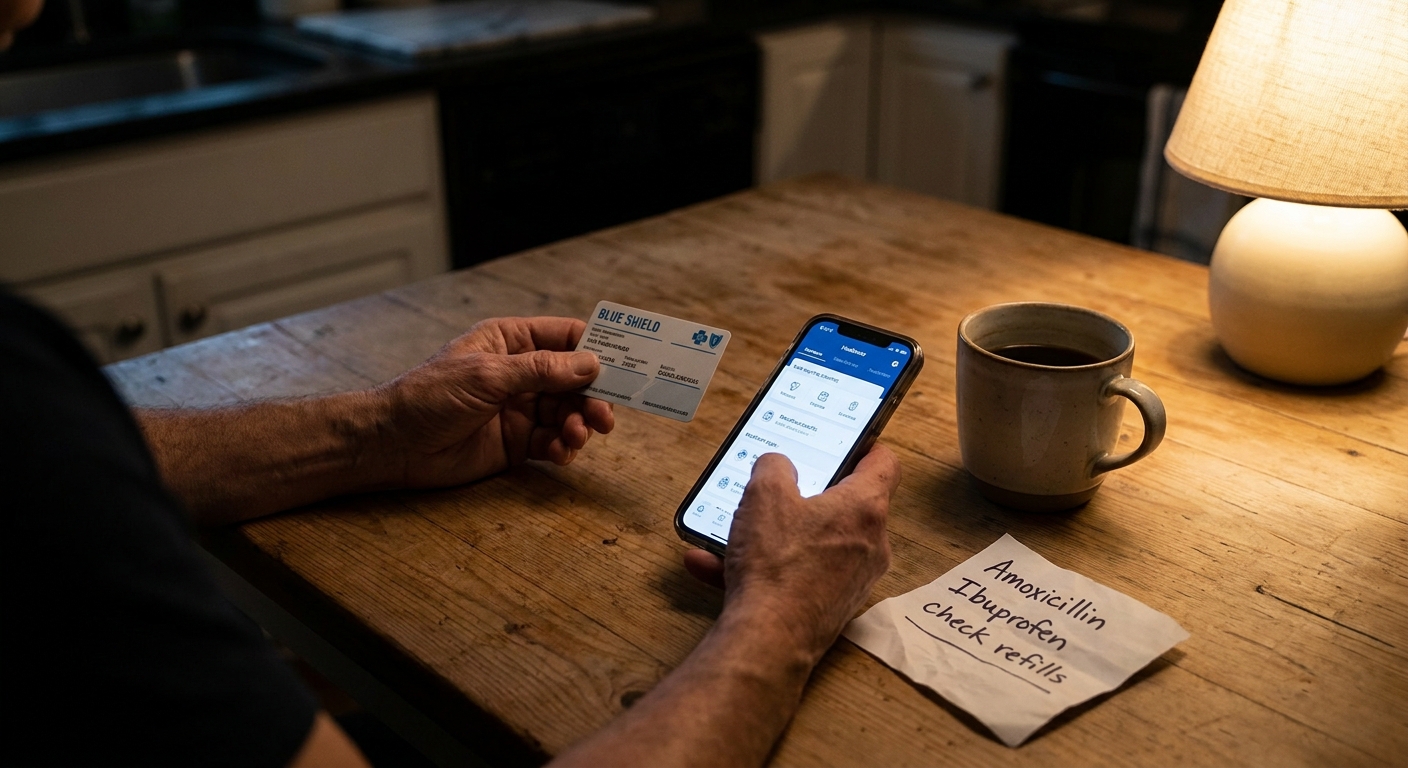
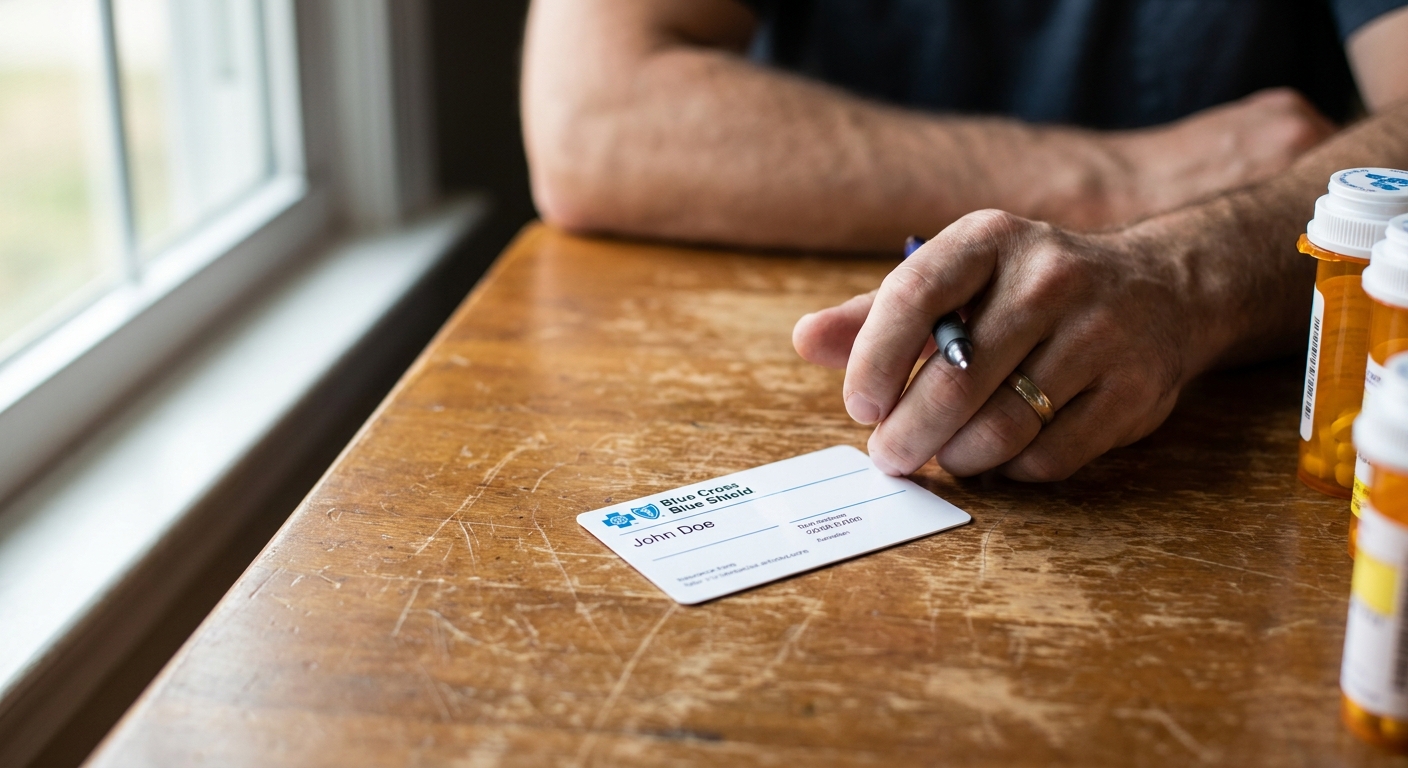
Call the member services number on your insurance card before touring any facility. Ask two specific questions: does your plan cover inpatient detox, and does it cover residential behavioral health treatment. Write down the answers and the name of the representative. That call removes the most common reason people delay getting help.
What “in-network” and “out-of-network” mean for your costs
In-network treatment means the facility has a contracted rate with your insurer. You pay your standard deductible and copay amounts. Out-of-network treatment means the facility has no contracted rate, and your insurer reimburses at a lower percentage, sometimes 50 percent or less, leaving you responsible for the remainder.
A 2022 KFF brief on behavioral health network adequacy found that out-of-network use for mental health and substance use disorder treatment runs at rates three to six times higher than for medical and surgical care, largely because fewer behavioral health providers hold in-network contracts. The practical consequence is that an out-of-network residential program can cost tens of thousands of dollars more than an in-network equivalent, even when both are covered by the same plan.
Ask the admissions team directly whether they handle insurance verification and prior authorization on your behalf. The best programs do this before you arrive, so you know your actual financial exposure before making any commitment.
Addiction treatment in the white mountains region
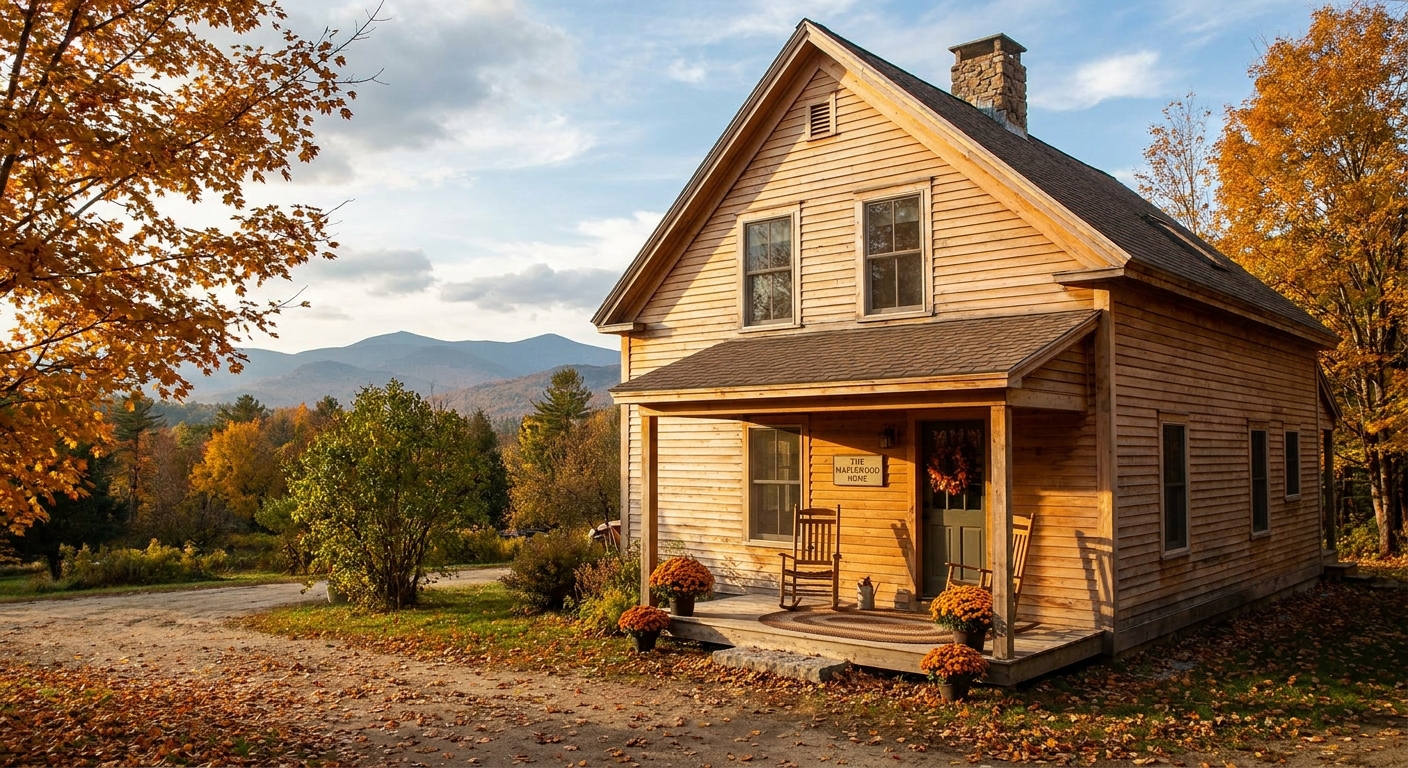
Northern New Hampshire presents a specific kind of recovery environment. The White Mountains are not a backdrop. The region’s low population density, distance from major cities, and natural surroundings contribute conditions that research identifies as clinically relevant to early recovery.
A 2019 study published in the journal Frontiers in Psychology examined stress recovery in clinical populations exposed to natural versus urban environments and found that nature exposure reduced cortisol levels and self-reported anxiety at measurably higher rates than urban environments, with effects appearing within 20 to 30 minutes of exposure. For someone in the first weeks after detox, when neurological stress is still elevated and cravings are frequent, that kind of environmental support is not trivial.
Traveling for treatment is a real commitment, particularly for families managing logistics across a distance. But the research supports it for specific individuals. If the home environment includes active drug use, if social connections are primarily with people who use, or if the neighborhood itself is saturated with availability, geographic separation is not a preference. It is a clinical advantage. For a closer look at what residential care in this part of the state involves, the regional specifics matter.
The white mountains as a recovery environment
University of Michigan research on attention restoration theory, developed by Rachel and Stephen Kaplan, established that natural environments support cognitive recovery from mental fatigue by providing what they called “soft fascination,” low-demand sensory engagement that allows directed attention systems to rest. In a residential treatment context, this translates to reduced cognitive load during a period when the brain is already under significant metabolic stress from withdrawal and early sobriety.
What a patient experiences in a mountain setting includes reduced noise, structured outdoor time, separation from the sensory density of urban environments, and a physical distance from the people, places, and routines associated with use. These are not amenity features. They are environmental conditions that support the clinical work happening inside the treatment building.
When evaluating any facility in the region, ask specifically how the physical environment is integrated into the treatment model. Is outdoor time structured and therapeutically framed, or simply unscheduled downtime between groups? The distinction matters for whether the environment contributes to treatment or simply exists alongside it.
Paying for treatment when you don’t have insurance
SAMHSA’s 2022 National Survey on Drug Use and Health found that among adults who needed but did not receive substance use treatment, approximately 37 percent cited cost or insurance as the primary barrier. Public funding pathways exist and are underused, largely because people assume cost means the door is closed.
New Hampshire’s Bureau of Drug and Alcohol Services administers federal block grant funding that supports treatment for uninsured and underinsured residents. Community mental health centers in the state operate on sliding-scale fee structures tied to income. New Hampshire Medicaid, for eligible members, covers residential detox and substance use disorder treatment through its three managed care organizations. Eligibility for Medicaid expanded under the Affordable Care Act, and many adults who assume they do not qualify actually do.
If cost is the barrier, call 211 New Hampshire before assuming care is out of reach. The state’s social services helpline connects callers to local resources including funding pathways, eligibility screening, and direct referrals to treatment programs. That call costs nothing and takes less than fifteen minutes. For more on navigating treatment options across northern New Hampshire regardless of payment situation, the regional picture is worth understanding before ruling anything out.
What happens after residential treatment
NIDA’s data on relapse rates is widely cited and worth understanding clearly: 40 to 60 percent of people in recovery experience relapse. That number is often used to suggest treatment does not work. The correct interpretation is the opposite. Relapse is a predictable clinical event when aftercare is absent, and it is substantially less common when continuing care is structured and begins before discharge.
A strong discharge plan includes step-down to outpatient care (intensive outpatient or standard outpatient depending on clinical need), peer recovery support through a sponsor or recovery coach, continuation of medication-assisted treatment for those on Suboxone or naltrexone, and connection to recovery housing if the home environment is not safe for early sobriety.
A 2020 study in the Journal of Substance Abuse Treatment found that patients who continued buprenorphine treatment for 12 months or longer following residential care had relapse rates 50 percent lower than those who discontinued at discharge. MAT continuation is not a crutch. It is a clinical intervention with a documented outcome record.
Before entering any residential program, ask the admissions team for a written description of their discharge planning process. Ask who your outpatient provider will be, how the handoff is coordinated, and whether the program maintains relationships with outpatient and peer support networks in northern New Hampshire. If the answer is vague, that tells you what the transition out of the program will actually look like.
What to try this week
Call the member services number on your insurance card today. Ask two questions: does your plan cover inpatient detox, and does it cover residential behavioral health treatment. Write down the answers and the name of the representative. That single call removes the most common reason people delay getting help, and it takes less time than most people assume.
Frequently asked questions
What is the difference between detox and residential treatment in the white mountains?
Detox is a medical process that manages physical withdrawal from alcohol or drugs, typically lasting three to seven days with 24-hour nursing and medication support. Residential treatment begins after detox and addresses the behavioral, psychological, and relational dimensions of addiction through individual therapy, group sessions, and structured programming. Detox stabilizes the body. Residential treatment begins the actual work of recovery. Most people need both.
Does insurance cover residential addiction treatment in new hampshire?
Most commercial insurance plans, including Aetna, Anthem, Cigna, Harvard Pilgrim, and Tufts, cover inpatient detox and residential behavioral health treatment under federal parity law. New Hampshire Medicaid managed care organizations (WellSense, AmeriHealth Caritas, and Granite State Health Plan) also cover these services for eligible members. Tricare covers residential substance use disorder treatment for military-connected individuals. Call the member services number on your card to confirm your specific benefits before making any program decisions.
Is it worth traveling to the white mountains for addiction treatment if you live elsewhere in new hampshire?
For many people, yes. Geographic separation from home environments, particularly those with active drug use, familiar social networks tied to use, or high availability of substances, is a documented clinical advantage in early recovery. Research on residential treatment outcomes supports the value of environments that reduce trigger exposure during the most vulnerable period of early sobriety. The White Mountains region provides that kind of separation alongside a low-stimulation natural setting.
How long should residential addiction treatment last?
NIDA’s research is clear that programs under 90 days show significantly lower long-term abstinence rates than longer programs. Thirty-day programs address acute stabilization but rarely provide enough time for the behavioral and psychological work that sustains recovery. If a program offers only a 28 or 30-day option and cannot explain how it bridges to structured continuing care, that is a meaningful limitation to factor into your decision.
What should I look for in a discharge plan before entering a residential program?
A discharge plan should specify where you are going after residential care (outpatient program, recovery housing, or home with structured support), who your outpatient clinical provider will be, whether medication-assisted treatment will continue and with which prescriber, and how peer recovery support is connected. The best programs begin discharge planning at admission, not in the final days of the stay. Ask for a written description of the process before you commit.
Can someone with new hampshire medicaid access residential detox in the white mountains?
Yes. All three New Hampshire Medicaid managed care organizations cover residential detox and substance use disorder treatment for eligible members. If you are unsure whether you qualify for Medicaid, call 211 New Hampshire or contact the state’s Bureau of Drug and Alcohol Services for eligibility screening and referral support.