Grafton County recorded 29 overdose deaths per 100,000 residents in 2022, a rate that outpaced New Hampshire’s already-elevated statewide average, according to data from the New Hampshire Department of Health and Human Services. If you are searching for drug rehab in northern New Hampshire, that number is the stakes. This guide walks you through every level of care, the criteria that actually predict treatment success, and the insurance questions worth asking before you make a single call.
The addiction crisis hitting northern new hampshire hardest
SAMHSA’s 2023 National Survey on Drug Use and Health identified rural counties as consistently underserved by addiction treatment infrastructure relative to their overdose burden. Grafton County fits that pattern precisely. The county stretches across more than 1,700 square miles of mountains, forests, and small towns, and for residents in Bethlehem, Franconia, or Woodsville, the nearest detox bed has historically meant a long drive south or a waitlist measured in weeks.
The barriers are layered. Distance creates the most obvious problem: a person in acute withdrawal cannot always wait for a bed to open three counties away. Provider shortages compound that. The Health Resources and Services Administration designated much of Grafton County a mental health professional shortage area, a designation that applies equally to addiction medicine specialists. Stigma operates quietly alongside both: rural communities can be close-knit in ways that make asking for help feel publicly visible in a way city residents don’t experience.
Geography is not a clinical reason to delay care. What it does demand is that you understand the treatment landscape clearly before making decisions, so that distance becomes a manageable variable rather than a barrier.
What “drug rehab” actually means in northern NH
People call treatment centers asking for “rehab” and mean a dozen different things. The American Society of Addiction Medicine defines a formal continuum of care with distinct levels, each matched to a specific level of clinical need. Knowing which level fits your situation turns a confusing search into a directed one.
Medical detox: the necessary first step
Physical dependence on opioids, alcohol, or benzodiazepines requires medical management before anything else. The New England Journal of Medicine has documented that untreated alcohol withdrawal carries a seizure risk of 5 to 15 percent and a delirium tremens mortality risk of up to 5 percent without intervention. Benzodiazepine withdrawal carries comparable risks. Opioid withdrawal is rarely fatal but is severe enough to drive most people back to use within hours without support.
Supervised medical detox addresses these risks directly. A physician evaluates withdrawal severity using a validated tool such as the Clinical Opiate Withdrawal Scale or the CIWA-Ar for alcohol. Medications are then administered based on that assessment: buprenorphine or methadone for opioid withdrawal, Librium or other benzodiazepines for alcohol withdrawal, comfort medications for symptom management. Monitoring runs around the clock. The timeline for acute detox ranges from three days for opioids to seven to ten days for alcohol, depending on the severity of dependence.
If you or someone you love is physically dependent on any of these substances, detox is the first clinical priority. Not therapy. Not group programming. Medical stabilization first, then treatment.
Residential treatment: when you need to leave the environment
NIDA’s Principles of Effective Treatment establish that removing a person from the environment that sustains their use dramatically improves early recovery outcomes, particularly for patients with severe use disorders or co-occurring mental health conditions. SAMHSA’s Treatment Episode Data Set consistently shows that patients with high addiction severity and unstable housing or relationships benefit most from 24/7 residential programming.
The clinical logic is straightforward. Residential care eliminates exposure to triggers during the period when cravings are most intense and coping skills are least developed. Structured days, peer community, individual therapy, group programming, and psychiatric evaluation happen in a contained environment where the default is recovery rather than use.
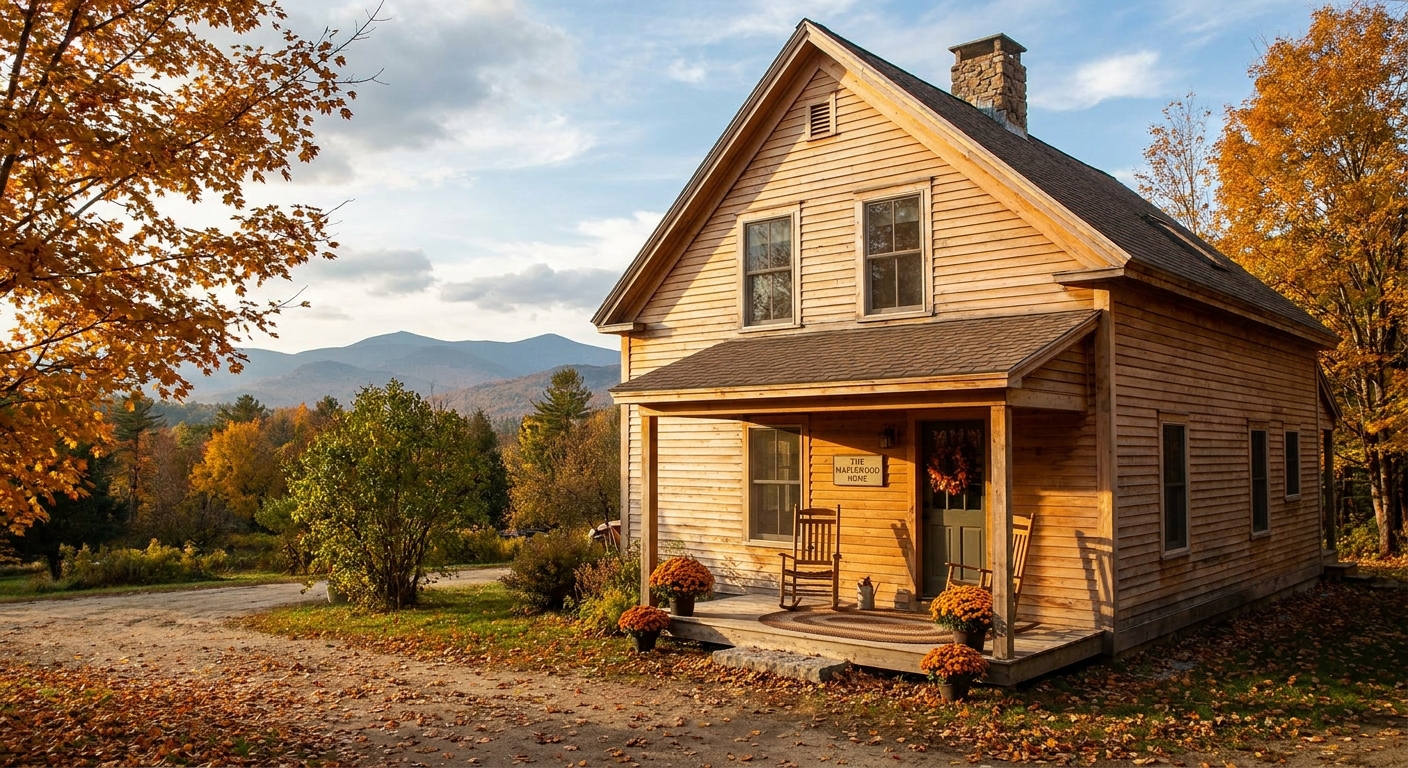
Residential facilities in the Bethlehem and White Mountains area function as destination programs, not just local resources. Clients travel from Manchester, Concord, the Seacoast, and other parts of the state specifically to receive care in a setting removed from the social environments connected to their substance use. The peaceful mountain setting is not incidental to this. Distance from everyday stressors and triggers is a treatment variable.
For more detail on what residential care in this part of the state actually involves, the guide to what local care looks like in Bethlehem covers the specifics.
Outpatient options and step-down care
Intensive outpatient programs (IOP) and standard outpatient are appropriate at two distinct moments: after completing residential treatment, or as a primary level of care for people with lower addiction severity, stable housing, and strong social support. A 2020 study published in the Journal of Substance Abuse Treatment found that patients who completed residential treatment and then engaged in IOP had significantly lower relapse rates at six months compared to those who discharged directly to no structured programming.
Step-down care is not a graduation. It is a continuation of treatment at a reduced intensity. When evaluating an outpatient provider in northern New Hampshire, ask specifically whether they prescribe MAT, whether they provide psychiatric services, and whether they have direct relationships with residential programs so that stepping back up in level of care is seamless rather than requiring a new intake process.
How to choose a drug rehab program: the five factors that matter
NIDA’s research on treatment effectiveness points consistently to five predictors of positive outcomes: treatment duration of at least 90 days, access to medication-assisted treatment, integrated co-occurring disorder care, individualized treatment planning, and continued engagement after formal treatment ends. These are not marketing categories. They are the variables with the strongest evidence base, and they translate directly into questions you can ask any facility before making a decision.
Accreditation and licensing in new hampshire
New Hampshire requires all substance use disorder treatment facilities to hold licensure through the Bureau of Drug and Alcohol Services (BDAS), which sits within NH DHHS. Licensure is the floor. Above it, facilities may pursue accreditation through the Joint Commission or CARF International. Both bodies conduct independent reviews of clinical quality, staff credentialing, patient rights protections, and program standards. Accreditation signals that a facility has invited external scrutiny and passed it.
Before calling any facility, verify NH licensure through the BDAS treatment locator on the NH DHHS website. An unlicensed facility cannot legally operate in the state and carries no clinical accountability. Accreditation status is listed on the Joint Commission’s or CARF’s public websites and takes two minutes to check.
Medication-assisted treatment (MAT) availability
A 2019 NIDA review of clinical evidence found that MAT with buprenorphine reduces opioid use, overdose deaths, and criminal activity, with treatment retention rates significantly higher than non-medicated approaches. Naltrexone, available as a monthly injectable (Vivitrol), eliminates daily dosing concerns and is particularly effective when initiated after detox. Methadone, dispensed through licensed opioid treatment programs, remains the most effective option for patients with the most severe opioid use disorders.
Not all New Hampshire rehabs offer MAT. Some programs withhold it on ideological grounds, labeling it “trading one addiction for another,” a characterization that contradicts decades of peer-reviewed evidence and ASAM guidelines. Asking directly whether a facility offers MAT and which medications they prescribe is not optional. If the answer is that they don’t believe in it, that is a clinical red flag, not a philosophical preference.
Co-occurring mental health treatment
SAMHSA’s 2022 National Survey on Drug Use and Health found that 50.5 percent of adults with a substance use disorder had at least one co-occurring mental health condition. Depression, anxiety, PTSD, and bipolar disorder are not separate from addiction. For many people, they are the reason substance use escalated in the first place.
A program that assesses and treats only the addiction misses the condition sustaining it. Ask any facility directly: is there an on-site psychiatrist or licensed psychiatric clinician? Are mental health diagnoses formally assessed during intake? Are medication management and therapy integrated into the treatment plan, not offered as optional add-ons? If a facility cannot answer these questions with specifics, assume the capability isn’t there.
Treatment duration and aftercare planning
NIDA’s principle on treatment duration is direct: programs lasting fewer than 90 days have limited effectiveness for most patients with moderate to severe addiction. This is not about arbitrary timelines. It reflects the neurobiological reality of how long the brain requires to begin restoring dopamine regulation after heavy substance use.
Aftercare planning matters as much as the treatment itself. Ask any facility to walk you through exactly what happens on discharge day: Is MAT continued or bridged to an outpatient prescriber? Is there an alumni program? Is there a connection to a Recovery Community Organization (RCO) in your home area? Strong aftercare transforms discharge from a cliff edge into a managed transition.
Insurance acceptance and financial access
The Mental Health Parity and Addiction Equity Act requires most commercial insurers to cover substance use treatment at parity with medical and surgical benefits. This means that if your insurer covers a hospital stay, it must cover a residential detox stay under comparable criteria. Understanding this law gives you standing when an insurer attempts to limit coverage. For a deeper look at how to evaluate treatment options across the state, including coverage specifics, that resource covers the full picture.
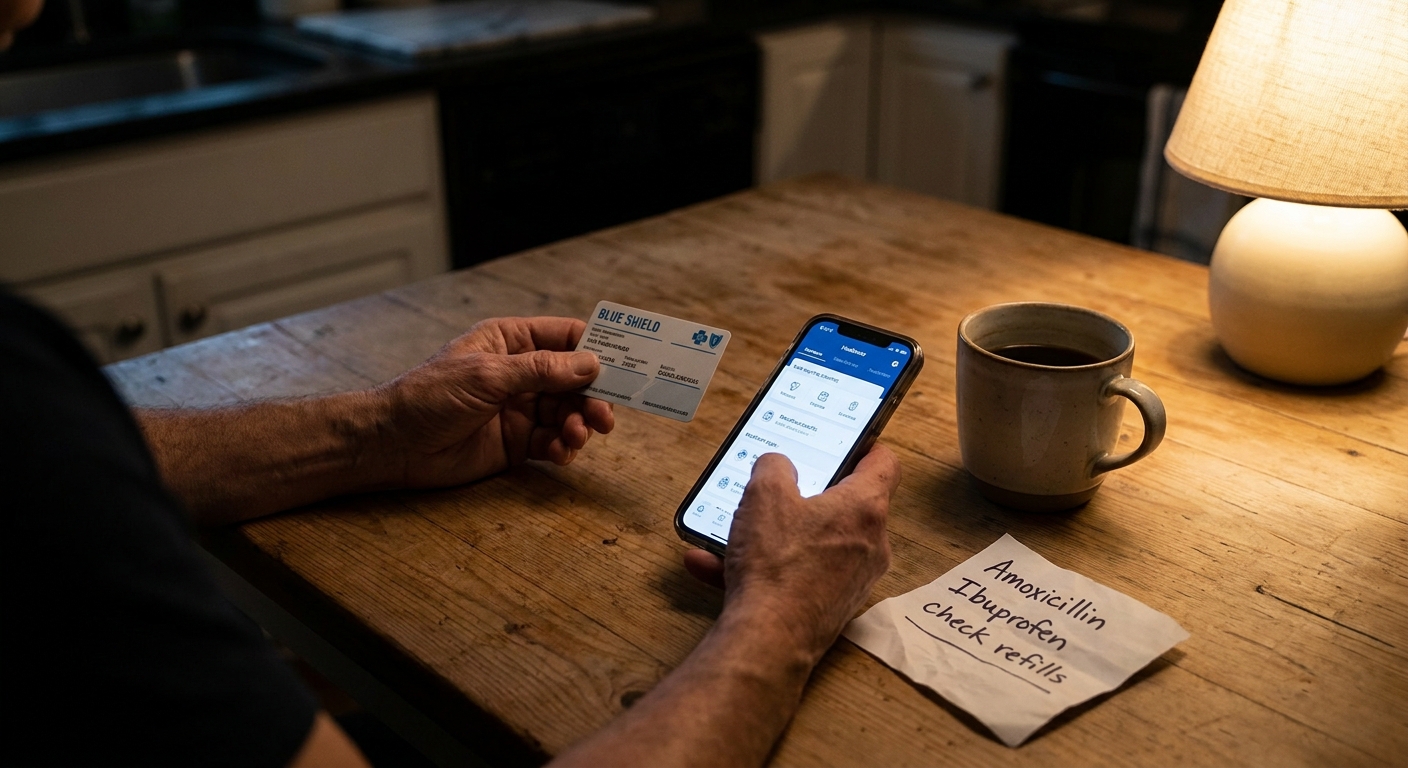
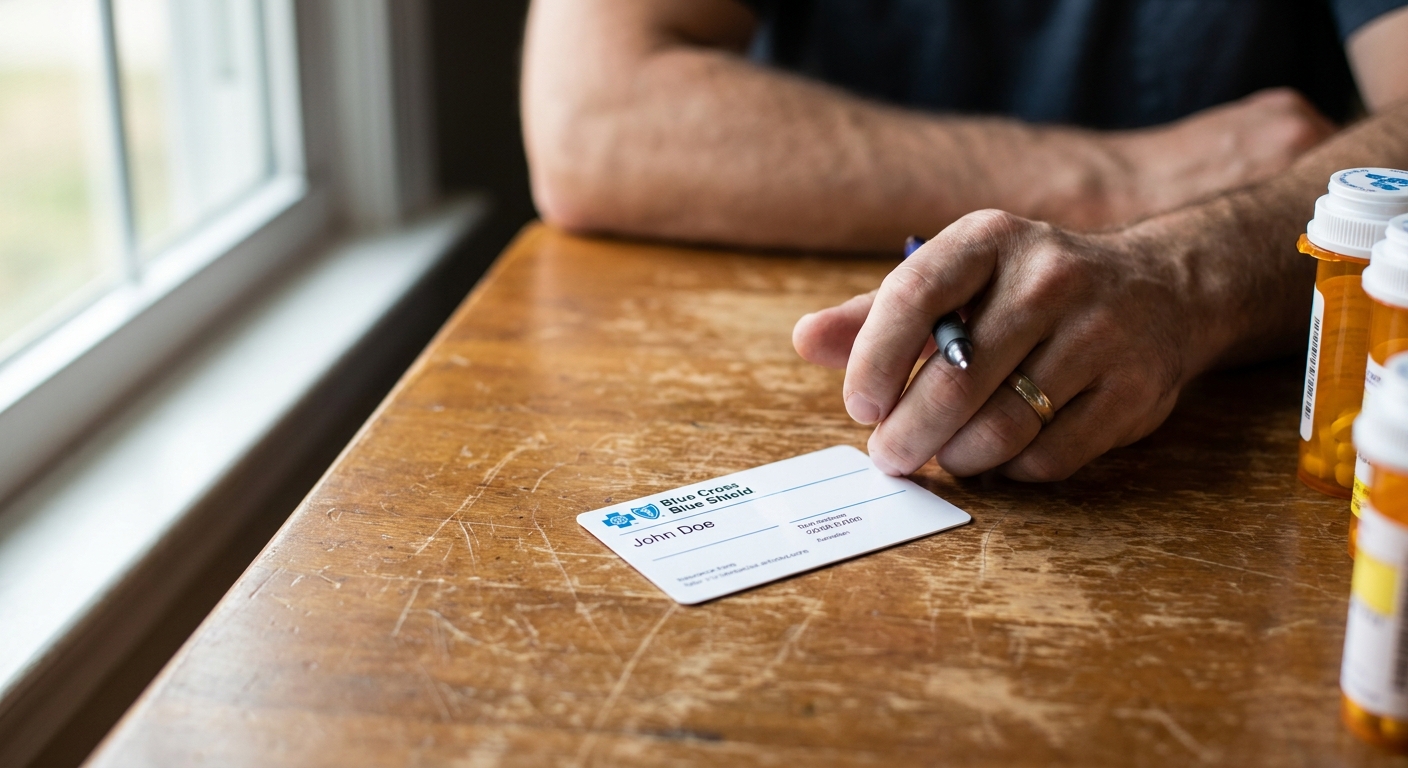
For this audience, the key insurers include Aetna, Anthem, Cigna, Harvard Pilgrim, Tufts, and Tricare for commercially insured members, plus WellSense, AmeriHealth Caritas, and Granite State Health Plan for Medicaid members. Each carrier has different prior authorization requirements and network structures. The most practical step: call the admissions line of the facility you’re considering and ask them to verify your benefits. A competent admissions team does this routinely and returns with specific information about covered days, cost-sharing, and authorization requirements.
Northern new hampshire’s recovery landscape: what’s here and what’s not
Grafton County’s treatment infrastructure has grown since the opioid epidemic accelerated state investment in the mid-2010s, but gaps remain significant. Community mental health centers, including Tri-County Community Action Program services and North Country Health Consortium resources, provide some outpatient behavioral health access. Federally Qualified Health Centers (FQHCs) in the region offer primary care that can include MAT prescribing. Peer support specialists are increasingly present in community settings.
What the region lacks: inpatient psychiatric beds for acute mental health crises, methadone clinics within practical driving distance for most northern residents (the nearest licensed opioid treatment program is in Plymouth or Concord for most White Mountains residents), and consistent access to residential detox without a significant waitlist. These gaps are documented in HRSA’s rural health shortage designations and NH DHHS capacity reports.
For a broader picture of what treatment resources look like across the county, the overview of care options in Grafton County provides useful context.
Local recovery support resources
New Hampshire’s hub-and-spoke MAT model, branded as Doorways, connects primary care practices across the state to addiction specialist hubs for consultation and prescribing support. In practical terms, this means a physician in Littleton or Plymouth can prescribe buprenorphine to local patients with specialist backup, rather than requiring every patient to travel to a city.
The 603-Helpline (1-800-804-0909) is New Hampshire’s statewide recovery helpline, staffed around the clock and able to connect callers with local resources, peer support, and treatment options. Peer recovery support specialists, community members in long-term recovery trained to help others navigate the treatment system, are available through multiple northern NH organizations.
A 2020 study in the Journal of Substance Abuse Treatment found that peer recovery support services significantly increased treatment entry rates and improved 6-month abstinence outcomes compared to standard referral alone. In a region where bed availability is inconsistent, peer support is often the most accessible evidence-based intervention while someone waits for a residential slot.
AA and NA meetings operate in Littleton, Plymouth, Woodsville, and surrounding towns. Schedules are listed through the NH Area Service Committee of AA and the NH/VT Area of NA.
When traveling for residential treatment makes sense
HRSA’s rural health data documents that rural residents face average provider-to-patient ratios for mental health and addiction services that are four to five times lower than urban benchmarks. In practical terms, this means waiting weeks or months for an outpatient slot in northern New Hampshire, while a residential bed at a facility like New Hampshire Detox Center in Bethlehem may be available within days.
The clinical math is straightforward. A 90-minute drive to a residential program where you receive 24/7 medical supervision, structured therapy, and medication management beats a six-week wait for a weekly outpatient appointment. Residential treatment is also appropriate when the home environment itself sustains use. Traveling for care is not a failure or an admission that local resources are inadequate. It is a clinical decision based on acuity, availability, and environment.
Understanding your insurance coverage for rehab in new hampshire
Three legal frameworks govern insurance coverage for addiction treatment in New Hampshire. The Mental Health Parity and Addiction Equity Act establishes federal parity requirements. The Affordable Care Act’s Section 1302 designates substance use disorder treatment as an essential health benefit for marketplace plans. New Hampshire RSA 417-E adds state-level parity requirements for group health plans. Together, these laws mean that most insurers operating in New Hampshire are legally required to cover medically necessary addiction treatment.
“Medically necessary” is the operative phrase. According to CMS guidance, medical necessity determinations for substance use treatment should use the same clinical criteria as other medical conditions. Facilities use ASAM criteria to document medical necessity for each level of care. When insurers deny coverage, it is often based on applying more restrictive criteria to behavioral health than to medical or surgical care, which is a parity violation.
Prior authorization is the process insurers use to approve coverage before treatment begins. Most residential and detox admissions require it. The process typically takes 24 to 72 hours for urgent cases. The facility’s admissions team initiates it, and a good admissions department handles this for you rather than requiring you to navigate the insurer independently.
NH medicaid and public funding options
New Hampshire Medicaid covers detox and residential substance use disorder services through a federal waiver that allows residential SUD treatment to be funded under Medicaid, which had historically been prohibited for facilities with more than 16 beds. WellSense, AmeriHealth Caritas, and Granite State Health Plan all administer Medicaid managed care in New Hampshire, and each covers residential detox and treatment for eligible members.
For residents without insurance or whose coverage has lapsed, the Bureau of Drug and Alcohol Services (BDAS) administers state and federal block grant funding for substance use treatment. BDAS can fund treatment for uninsured residents through contracted providers. Contact BDAS directly through the NH DHHS website before assuming that cost is an insurmountable barrier. The number is listed on the NH DHHS Bureau of Drug and Alcohol Services page.
Tricare coverage for veterans and military families
Tricare covers substance use disorder treatment for eligible beneficiaries, including both residential and outpatient levels of care. Coverage specifics vary by plan: Tricare Prime members typically require referrals and use in-network providers, while Tricare Select members have more flexibility to access out-of-network residential programs, often with cost-sharing after a deductible.
The Department of Veterans Affairs reports that veterans in rural states face substance use rates comparable to urban veterans but with significantly less access to VA-administered treatment. For Tricare-eligible individuals, out-of-network residential care is frequently coverable with prior authorization. The concrete action: contact Tricare and request pre-authorization before admission, not after. Attempting to retroactively authorize an admission significantly reduces approval likelihood.
What happens during admission: removing the unknown
Fear of the admission process delays treatment entry. A 2017 study in Psychiatric Services found that perceived barriers, including not knowing what to expect from treatment intake, were among the strongest predictors of delayed treatment-seeking among people with substance use disorders. Knowing what actually happens makes the first call easier to make.
The process begins with a phone intake, typically 20 to 40 minutes. A clinician or admissions specialist asks about current substance use, withdrawal history, medical conditions, mental health history, and insurance. This is an information-gathering call, not an evaluation that determines whether you “qualify” for care.
From there, the clinical assessment uses ASAM’s patient placement criteria to identify the appropriate level of care. ASAM evaluates six dimensions: withdrawal potential, biomedical conditions, emotional and behavioral conditions, readiness to change, relapse potential, and recovery environment. The result is a recommended level of care matched to clinical need.
Insurance verification runs parallel to the clinical assessment. A competent admissions team returns with specific benefit information before asking for a commitment. The first 24 to 48 hours of admission involve medical evaluation, medication initiation for withdrawal management, orientation to programming, and initial meetings with clinical staff.
Questions to ask before choosing a northern NH rehab
Armed with the framework above, here are the direct questions that cut through marketing language on any admissions call:
Does the program offer MAT, and which medications do prescribers use? This identifies whether the facility follows evidence-based ASAM guidelines or an abstinence-only ideology.
Is there an on-site psychiatrist or licensed psychiatric clinician for dual diagnosis assessment? Half of patients have co-occurring conditions. A facility without psychiatric capacity treats half the problem.
What is the minimum and typical length of stay for residential treatment? Programs below 30 days should explain their clinical rationale given NIDA’s 90-day evidence threshold.
What does discharge planning look like specifically, and who handles the connection to aftercare? Vague answers signal that aftercare is not systematically built into the program.
Is your facility licensed by NH DHHS Bureau of Drug and Alcohol Services, and do you hold Joint Commission or CARF accreditation? This is verifiable and takes 60 seconds.
What insurance do you accept, and will your team verify my benefits before I need to make a decision? A confident admissions team answers this without hesitation.
Red flags: programs to avoid
Some facilities use aggressive marketing practices that SAMHSA and the FTC have flagged as harmful. Patient brokering, the practice of paying referral fees for clients, is illegal under federal law and common in markets with high treatment demand. If a call center or “helpline” is pressuring you to choose a specific facility quickly, treat that urgency as a sales tactic, not a clinical recommendation.
Facilities that guarantee sobriety outcomes are overpromising. No clinical program can guarantee outcomes because recovery depends on a complex set of biological, psychological, and social variables. Guarantees are a marketing claim, not a clinical one.
Programs that prohibit MAT on ideological grounds and frame buprenorphine or methadone as addiction rather than treatment are contradicting ASAM guidelines, SAMHSA’s position, and decades of controlled trial evidence. This is not a clinical philosophy difference. It is a contraindication for patients with opioid use disorder.
Vague or evasive answers about NH DHHS licensure, staff credentials, or aftercare planning signal that the program lacks the infrastructure those questions point to. Use SAMHSA’s treatment locator and the NH DHHS BDAS directory as your baseline verification tools. If a facility is not listed, ask why.
Making the call: your next step this week
A 2019 study in Drug and Alcohol Dependence found that individuals who entered treatment within seven days of deciding to seek help had significantly higher 12-month abstinence rates than those whose entry was delayed by two weeks or more. The gap between deciding and starting matters clinically.
The single action to take this week: call the 603-Helpline at 1-800-804-0909 or contact the admissions line of a residential facility in the Bethlehem area directly. That first call is an information call. Nothing is committed. You ask questions, they verify insurance, and you get a clinical picture of what care looks like and when it can start.
For people exploring how to evaluate programs across the full continuum before making that call, that resource walks through the clinical criteria in detail. But the most common mistake is treating research as a prerequisite for action. You have enough information now to make the call.
Frequently asked questions
How far do people travel for drug rehab in northern new hampshire?
Residential facilities in the Bethlehem and White Mountains area draw clients from across New Hampshire, including Manchester, Concord, the Seacoast region, and the Lakes Region. The distance from population centers is part of the clinical appeal: it removes clients from the environments and social networks connected to their substance use. A 90-minute drive is consistently worth it when it means access to residential detox with immediate availability.
What is the difference between detox and residential treatment?
Medical detox addresses the physiological process of withdrawal under clinical supervision, typically lasting three to ten days depending on the substance and severity of dependence. Residential treatment begins after medical stabilization and focuses on the psychological, behavioral, and social dimensions of addiction through therapy, group programming, psychiatric care, and structured daily living. Most patients require both in sequence, with detox completed first.
Does new hampshire medicaid cover residential drug rehab?
Yes. New Hampshire Medicaid covers residential substance use disorder treatment through a federal waiver. WellSense, AmeriHealth Caritas, and Granite State Health Plan all cover residential detox and treatment for eligible members, subject to medical necessity review. Uninsured residents can contact the Bureau of Drug and Alcohol Services (BDAS) at NH DHHS about state-funded treatment options.
Can I get treatment in northern new hampshire if I live elsewhere in the state?
Yes. Residential facilities in Bethlehem and the broader White Mountains region serve clients from across New Hampshire. Admission is based on clinical need and insurance coverage, not geographic proximity. Many clients specifically choose northern NH residential programs because the setting removes them from familiar environments connected to substance use.
What should I bring to a residential rehab admission?
Most facilities provide a specific packing list during the pre-admission call, but standard items include a government-issued ID, insurance card, a list of current medications with dosages, comfortable clothing for the expected length of stay, and any personal hygiene items allowed by the facility’s policy. Electronics policies vary, so confirm before arrival. Leave valuables at home.
How quickly can someone be admitted to a residential detox program?
Admission timelines depend on bed availability, insurance authorization, and clinical urgency. For medical detox, many facilities prioritize urgent cases and can complete insurance verification within 24 hours. If someone is in acute withdrawal or at medical risk, that urgency should be communicated directly on the admissions call. Waiting until a crisis is avoidable when the process is initiated before withdrawal becomes severe.