Choosing drug and alcohol rehab is one of the most consequential decisions a person can make, and the difference between a good fit and a poor one often determines whether treatment actually works. This guide walks through everything you need to evaluate: level of care, accreditation, insurance coverage, warning signs, and the right questions to ask before you commit.
Why the right match matters more than willpower
A 2020 SAMHSA national survey of treatment outcomes found that individuals placed in a level of care matched to their clinical severity were significantly more likely to complete treatment and remain abstinent at one year than those who self-selected their program based on convenience or cost alone. The implication is direct: finding the right fit is a clinical decision, not a measure of how badly you want to get better.
This reframes the entire search. The question isn’t “do I want this enough?” The question is “does this program match what my situation actually requires?” Motivation matters, but it doesn’t substitute for appropriate clinical structure. A motivated person placed in the wrong level of care still faces a stacked deck.
Understand the levels of care
The American Society of Addiction Medicine (ASAM) publishes placement criteria that clinicians use to match patients to the right intensity of treatment. The framework runs from medically managed intensive inpatient care at the top to outpatient services at the base, with several levels in between. Placement is based on six dimensions: withdrawal potential, medical conditions, emotional and behavioral conditions, readiness to change, relapse potential, and your living environment. Understanding this framework helps you evaluate any program’s recommendation on its merits.
Medical detox: the non-negotiable first step for some
A 2018 study published in the journal Alcohol and Alcoholism, following 1,243 patients through alcohol withdrawal, found that medically supervised detox reduced the rate of severe complications, including seizures and delirium tremens, by more than 60% compared to unsupervised withdrawal. For opioid withdrawal, a 2019 NIDA-funded trial found that patients who completed medically supervised detox before entering residential treatment had a 40% higher retention rate at 90 days.
The practical takeaway: if you or someone you love is physically dependent on alcohol, benzodiazepines, or opioids, medical detox isn’t optional. Attempting to stop without it carries real medical risk. Before enrolling in any residential program, ask directly: “Is detox medically supervised around the clock, with a physician on site or on call?” A yes with specifics is what you’re looking for.
Residential treatment: when full immersion is the right call
Residential treatment places you in a structured living environment where treatment is the full-time focus, typically running 24 hours a day, seven days a week. NIDA’s Principles of Drug Addiction Treatment, now in its third edition, states plainly that treatment lasting fewer than 90 days has limited effectiveness for most substance use disorders, and that longer durations produce better outcomes across substances.
In practice, a 30-day stay often covers initial stabilization but rarely addresses the behavioral and psychological patterns that drove the addiction. A 60 to 90-day residential program provides time for evidence-based therapy to take hold, for peer relationships to develop, and for aftercare planning to actually happen. Daily structure in a quality residential program typically includes group therapy, individual sessions, medication management if indicated, and structured recreational time. Removing yourself from the environment where active use occurred, which is part of what residential care in northern New Hampshire offers through its geographic separation from everyday stressors, is itself a therapeutic variable.
Outpatient options: PHP, IOP, and standard OP
Partial hospitalization programs (PHP) run roughly 20 to 30 hours of structured treatment per week, while intensive outpatient programs (IOP) offer 9 to 19 hours. Standard outpatient drops further, typically to one or two sessions per week. These levels exist on a continuum and serve an important function, but that function is primarily as a step-down from residential care or as a starting point for lower-severity cases where no withdrawal risk exists. For someone with a severe substance use disorder, starting at the IOP level because it fits the schedule is a clinical mismatch, not a compromise.
Match the program to the diagnosis, not just the drug
A 2014 SAMHSA report on co-occurring disorders found that 7.9 million adults in the United States had both a substance use disorder and a mental health condition in the same year. Among people entering addiction treatment, estimates from multiple studies place dual diagnosis prevalence between 50% and 60%. Depression, anxiety, PTSD, and bipolar disorder are not separate problems to address later; they are part of the clinical picture from day one.
The action here is specific: ask every program whether they provide integrated mental health treatment on site or refer out. A program that screens for mental health conditions but refers you elsewhere for treatment is not providing integrated care, and the evidence consistently shows that integrated care produces better outcomes than parallel treatment delivered in separate settings. If a program can’t describe how it handles co-occurring disorders in the same breath as its addiction treatment model, keep asking until you get a clear answer. For a broader look at what integrated options look like across the state, exploring your treatment options in New Hampshire is a useful starting point.
Verify accreditation, licensing, and staff credentials
SAMHSA’s 2022 National Survey of Substance Abuse Treatment Services found that roughly 18% of facilities operating in the United States were not accredited by a recognized body such as CARF (Commission on Accreditation of Rehabilitation Facilities) or The Joint Commission. Accreditation isn’t a marketing badge. It means an independent third party has reviewed the facility’s clinical protocols, staff qualifications, safety practices, and patient rights policies against a defined national standard.
New Hampshire maintains a publicly searchable registry of licensed behavioral health facilities through the Department of Health and Human Services. Check any facility’s license status before making a first call. Then ask whether the program holds CARF or Joint Commission accreditation. These two steps take under 15 minutes and filter out a meaningful percentage of substandard programs before you invest any more time.
Know what your insurance actually covers
The Mental Health Parity and Addiction Equity Act requires that insurance coverage for substance use disorders be no more restrictive than coverage for comparable medical conditions. A 2020 report from the Congressional Research Service documented persistent gaps in compliance and enforcement, meaning the law’s protection doesn’t always translate into easy approvals in practice.
For New Hampshire residents, the insurance landscape spans several major carriers. Commercial plans through Aetna, Anthem, Cigna, Harvard Pilgrim, and Tufts each have their own network structures and prior authorization requirements for residential detox. Tricare covers substance use treatment for military families, though in-network provider availability varies by region. New Hampshire Medicaid operates through managed care organizations including WellSense, AmeriHealth Caritas, and the Granite State Health Plan, each of which covers medically necessary detox and residential services for eligible members.
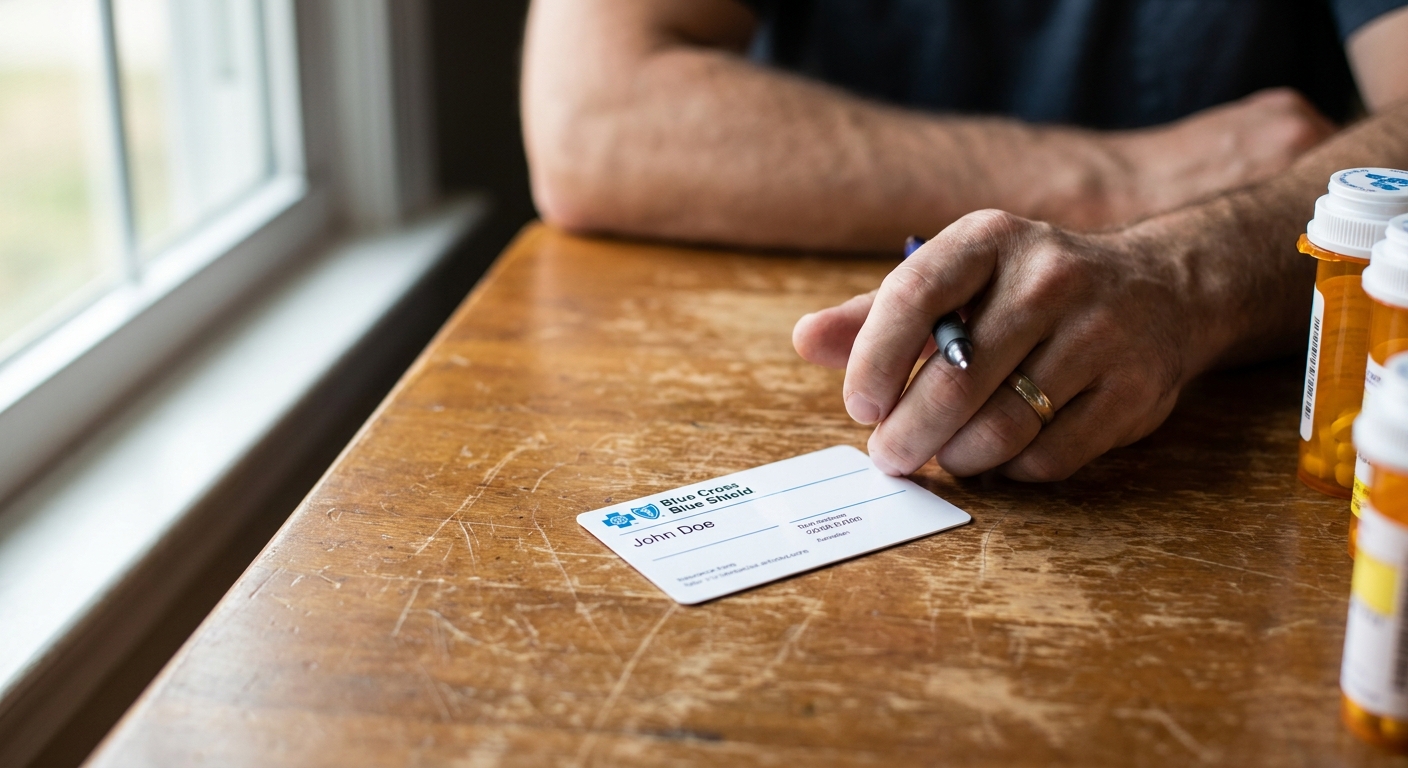
The single most useful action you can take before choosing a facility: call the member services number printed on your insurance card. Ask two questions directly. First, does your plan cover residential detox and residential treatment? Second, is the facility you’re considering in-network? Getting those answers in writing, or at minimum noting the date, time, and name of the representative you spoke with, protects you if a coverage dispute comes up later.
Red flags that signal a poor fit
The Federal Trade Commission has published guidance on deceptive marketing practices in addiction treatment, and investigative reporting by outlets including ProPublica has documented “patient brokering,” a practice in which recruiters receive payments for steering patients to specific facilities regardless of clinical fit. Beyond outright fraud, several warning signs indicate a program that won’t serve you well.
A facility that guarantees sobriety or specific outcomes is misrepresenting how addiction treatment works. No ethical program makes that promise. Similarly, a program that cannot clearly describe its clinical model in plain language, naming the specific therapies used, the credentials of the clinical staff, and how it handles medical emergencies, lacks the transparency that quality programs provide without hesitation. Pressure to decide immediately, vague answers about what a typical day looks like, and reluctance to discuss family involvement are all reasons to keep looking. If evaluating options in the Grafton County area, apply the same standards regardless of proximity or convenience.
Questions to ask before you commit
NIDA’s 13 Principles of Effective Drug Addiction Treatment provide a framework for evaluating any program. Translated into practical questions for a first phone call, these are the ones that matter most.
Is there a physician on site during detox, and what is the protocol if a medical emergency occurs overnight? What evidence-based therapies does the program use, naming CBT, dialectical behavior therapy, trauma-informed care, and medication-assisted treatment specifically? Does the program offer medication-assisted treatment for opioid or alcohol use disorder, and if not, why not? How is family involved in treatment, and are family sessions structured or optional? What does aftercare planning look like, and when does that process begin? Finally, what is the staff-to-patient ratio during both clinical hours and evenings?
Write three of these questions down before the next call. Having them in front of you keeps the conversation from being steered entirely by the admissions staff.
What to try this week
The decision to enter drug and alcohol rehab doesn’t require a perfect plan. It requires one concrete step taken today. Call the member services number on your insurance card, ask about residential detox benefits, and ask for a list of in-network residential providers in New Hampshire. That call takes under 30 minutes and answers the two questions that most people spend weeks avoiding: what’s covered, and where can you go. Everything else follows from there.
Frequently asked questions
How do I know if I need detox before residential treatment?
If you are physically dependent on alcohol, benzodiazepines, or opioids, medical detox is a necessary first step before entering residential treatment. Physical dependence means your body has adapted to the substance and will go into withdrawal without it. Withdrawal from alcohol and benzodiazepines carries risk of seizures; opioid withdrawal, while rarely fatal on its own, significantly increases the risk of relapse without medical support. A physician can assess your level of physical dependence during an intake evaluation.
What does a typical day in residential treatment look like?
Residential programs structure the day around a combination of group therapy, individual therapy sessions, psychoeducation groups, and medication management when indicated. Most programs also include structured meal times, recreational activities, and evening support meetings. The density of clinical programming varies by level of care, with higher-intensity residential programs offering six to eight hours of structured treatment daily.
Can I use medicaid to pay for rehab in new hampshire?
Yes. New Hampshire Medicaid, administered through managed care organizations including WellSense, AmeriHealth Caritas, and the Granite State Health Plan, covers medically necessary detox and residential substance use treatment for eligible members. Eligibility and covered services vary, so contacting your specific Medicaid plan directly before choosing a facility confirms what’s authorized.
What is the difference between PHP and IOP?
Partial hospitalization programs (PHP) provide 20 to 30 hours of structured treatment per week, typically five days a week for several hours each day. Intensive outpatient programs (IOP) offer 9 to 19 hours per week. Both are outpatient levels of care, meaning you return home or to a sober living environment each evening. They function primarily as step-down levels after residential treatment or as starting points for lower-severity cases without significant withdrawal risk.
How long should residential treatment last?
NIDA’s research establishes that treatment lasting fewer than 90 days has limited effectiveness for most substance use disorders. A 30-day program addresses initial stabilization but rarely provides enough time for evidence-based therapy to produce durable behavioral change. When clinically appropriate, a 60 to 90-day residential stay consistently produces better long-term outcomes across substances.
What does CARF or joint commission accreditation actually mean?
Both CARF and The Joint Commission are independent accrediting bodies that evaluate treatment facilities against national standards covering clinical protocols, staff credentials, patient rights, and safety practices. Earning accreditation requires an on-site review and ongoing compliance monitoring. For you as a patient, it means a third party has verified that the facility meets defined standards, rather than relying solely on the facility’s self-description.