
You have searched “how much is rehab in NH” more times than you want to admit, and every page gives you a different number. One site says a few thousand dollars, another says tens of thousands, and a third won’t name any price until you fill out a form. Meanwhile, the person you love is still using, and you are the one trying to hold the plan together.
Take a breath. The big number you keep seeing is almost never what a family actually pays. What you will owe depends on three things: the insurance card in your wallet, what that plan covers for substance use disorder treatment, and the right level of care for your loved one right now. All three can usually be answered in one phone call to 833-649-1053, and none of them should be the reason care waits.
Before you think about money, check safety. Is your loved one awake and breathing normally? Are they shaking, sweating hard, or seeing things that are not there? Have they had a seizure, or do they seem confused about where they are? Are they drinking heavily every day, or taking benzodiazepines they cannot stop? If someone is unresponsive, having a seizure, or struggling to breathe, call 911 now. Insurance can be sorted out later.
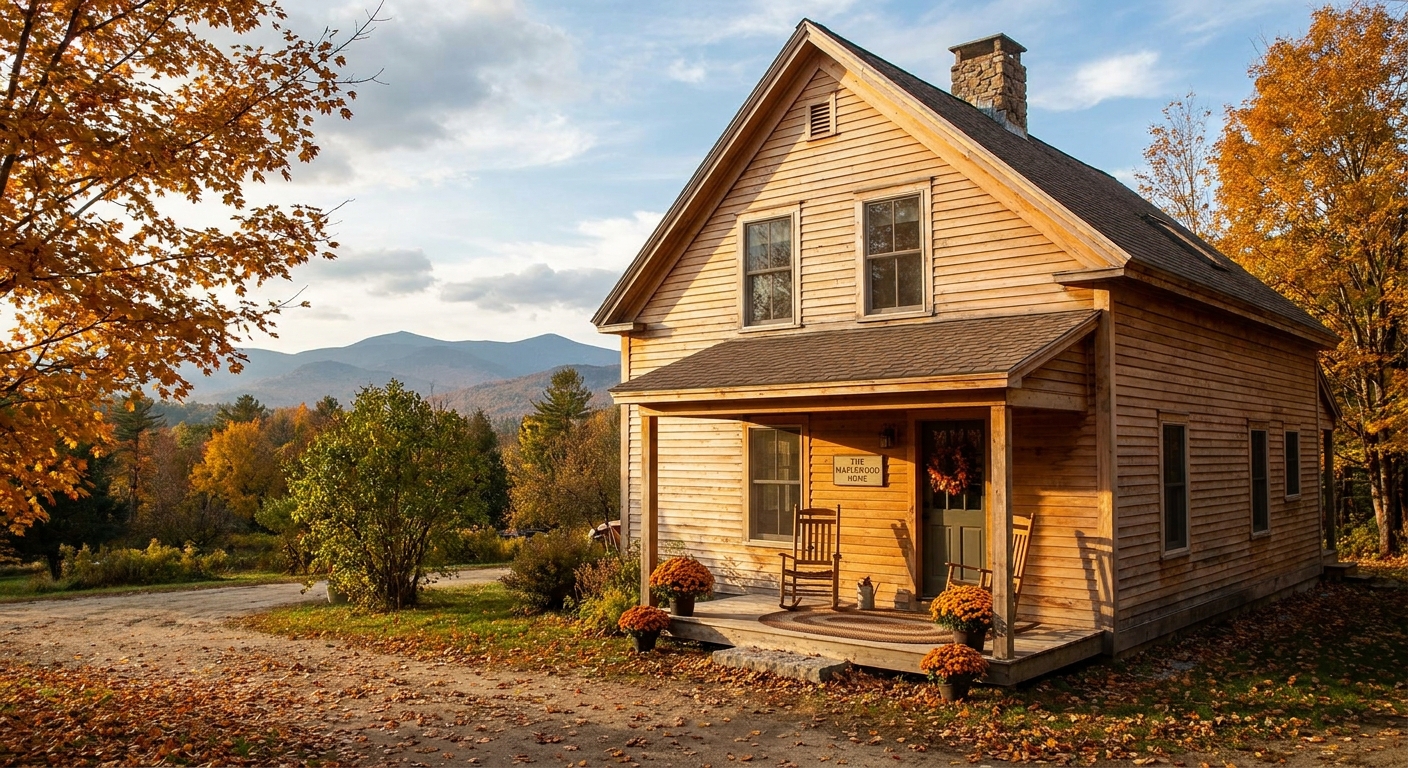
New Hampshire Detox is a residential, medically supported detox in Bethlehem, NH (03574). It is a warm, home-like residence, not a hospital ward, and it offers medical detox, residential treatment, and medication-assisted treatment, followed by aftercare and recovery planning. This page walks through what rehab costs in New Hampshire, how insurance changes that number, and what to have ready when you call. You don’t have to figure this out by yourself tonight.
How Much Is Rehab in NH Before Insurance Pays Anything?
Rehab in New Hampshire does not have one set price. The total depends on the level of care, how many days your loved one stays, and which medications and services are part of the plan. For most families with insurance, the amount they actually owe comes from the plan’s deductible, copay, and coinsurance, not from the full bill.
Online prices vary so much because they measure different things. Some sites quote a short detox stay, while others quote a full month of residential care. Some list the “billed charge,” which is the number on the invoice that insurers almost never pay in full. Others use national averages that have little to do with a program in Bethlehem, NH.
Any medical bill really has three numbers: what the facility charges, what your insurer has agreed to allow, and your share of that allowed amount. Families often mix these up and panic over a figure they will never see.
New Hampshire runs a public price tool, NH HealthCost, that lets residents look up what providers charge for medical services. It can give you a feel for how prices are reported in this state. It also shows why a single number on a website can’t tell you what your family will owe.
A few things move the cost up or down. Length of stay matters most, because detox is measured in days and residential care is measured in weeks. Medical complexity matters too. Withdrawal from alcohol or benzodiazepines needs closer watching than some other substances, and that affects the level of care your insurer approves. Medications, when they are part of the plan, also add to the total. That is why New Hampshire Detox does not quote one flat price to everyone. Instead, the intake team looks at your loved one’s actual plan, whether that is Aetna, Anthem, Evernorth (Cigna), Curative, AmeriHealth Caritas, or Wellsense, and works to give you an estimate of your share before admission.
Does Your Loved One Need Detox, Residential Care, or Something Less Intensive?
Once you understand how cost works, the next question is what kind of care your loved one needs, because that choice shapes the bill more than anything else.
If your loved one drinks heavily every day, uses opioids or heroin daily, or takes benzodiazepines they cannot stop, medical detox may be one appropriate first step, though individual needs vary. Withdrawal from alcohol and benzodiazepines can cause seizures, and opioid withdrawal can be very uncomfortable to get through alone. Outpatient care by itself may fit someone who is medically stable, has a safe place to live, and is not at risk of dangerous withdrawal.
You do not have to make that call on your own. At New Hampshire Detox, we don’t make families diagnose the situation themselves. The screening on the first call covers what your loved one uses, how much, how often, when they last used, and whether they have gone through withdrawal before. Those answers point to the right level of care, and they also shape what your insurer is likely to approve.
These are the main types of substance use disorder treatment available in New Hampshire:
- Medical detox (withdrawal management): short-term, medically supported care while the body clears the substance
- Residential treatment: live-in care with daily recovery support after detox
- Medication-assisted treatment (MAT): FDA-approved medications combined with ongoing care, most often for opioid or alcohol use disorder
- Intensive outpatient treatment: several hours of structured care a few days a week while living at home
- Outpatient counseling: regular sessions for people who are stable and need ongoing support
- Aftercare and recovery planning: a written plan for what comes after a stay ends
Here is how those levels compare, and which ones New Hampshire Detox offers:
| Level of care | What happens | Who it may fit | At New Hampshire Detox |
|---|---|---|---|
| Medical detox | Medically supported care through withdrawal | People with daily alcohol, opioid, heroin, or benzo use; risk of dangerous withdrawal | Yes |
| Residential treatment | Living on site with structured daily recovery support | People who may benefit from time away from triggers after detox | Yes |
| Medication-assisted treatment | FDA-approved medications plus ongoing care | Many people with opioid or alcohol use disorder | Yes |
| Intensive outpatient | Several hours of care, several days a week, from home | Medically stable people with a safe home | No, often a later step closer to home |
| Outpatient counseling | Weekly or regular sessions | People further along in recovery | No, often part of the aftercare plan |
New Hampshire Detox runs dedicated Alcohol, Opioid, Heroin, Meth, Benzo, and Drug Addiction Treatment Programs, along with separate Men’s and Women’s Rehab Programs. That matters for cost, too: a Benzo Addiction Treatment Program plans for slower, more closely watched withdrawal, while a Heroin or Opioid program may build medication into the plan from day one. When the team builds an aftercare plan, it can point toward outpatient care close to your home, so the step down feels like a smooth transition instead of a cliff.
Which Insurance Does New Hampshire Detox Accept, and What Will Your Plan Really Pay?
New Hampshire Detox accepts four commercial plans, two New Hampshire Medicaid plans, and private pay. What your plan will pay depends on your deductible, your copay or coinsurance, and whether you have already met your out-of-pocket maximum for the year.
New Hampshire Detox accepts:
- Aetna Commercial
- Anthem Commercial
- Evernorth (Cigna) Commercial
- Curative Health
- AmeriHealth Caritas (New Hampshire Medicaid)
- Wellsense (New Hampshire Medicaid)
- Private pay
Benefits still differ from plan to plan within each company, so the intake team confirms your specific coverage rather than assuming it. Medicare is not on this list. If you are arranging care for an older parent on Medicare, say so early in the call so you don’t lose time.
With a commercial plan, three numbers decide what you owe. The deductible is what you pay before the plan starts sharing costs. Coinsurance is the percentage you pay after that. The out-of-pocket maximum is the most you will pay for covered care in a plan year. Say your family already had a hospital stay this year and hit that maximum. In that case, your share of a detox and residential stay could be much smaller than you fear. If the deductible has not been touched yet, you will likely pay toward it first. The intake team walks through these numbers with you, so you are not left guessing.
Under federal mental health and addiction parity rules, most health plans that cover substance use disorder care cannot make those benefits harder to use than their medical benefits. Insurers still decide coverage based on whether care is medically necessary, and they often require approval before or during a stay. That is one more reason the screening on the first call matters: it records the clinical picture your insurer will want to see.
What Happens When You Call to Check Coverage?
Knowing your plan’s basics helps, but the real answer comes from the call itself. When you call New Hampshire Detox at 833-649-1053, the intake team works to verify your loved one’s benefits, often while you are still on the phone. Then they explain in plain terms what the plan covers and what your share is likely to be, before anyone packs a bag.
The call follows a steady order. First, the team asks about immediate safety, and if anything sounds like an emergency, they will tell you to get emergency care right away. Next, they ask for the insurance details: the company, the member ID, and the policyholder’s name and date of birth. Then they contact the insurer, confirm benefits for detox and residential care, and go over deductibles, copays, and coinsurance with you. Finally, they talk through bed availability, admission timing, and how your loved one will get to Bethlehem, NH.
Think of the person on the other end as your personal treatment navigator. Their job is to slow the conversation down and listen, not to rush you. Many callers are exhausted, and some have already been turned away somewhere else. You can ask the same question twice, and you can put the call on speaker so your spouse hears it too. Families who call often tell us one relief is simply learning they aren’t alone in this.
If you are comparing programs anywhere in New Hampshire, these steps will get you from searching to a real answer:
- Check immediate safety. Call 911 for seizures, confusion, trouble breathing, or unresponsiveness.
- Gather the insurance card (front and back), the policyholder’s details, and your loved one’s date of birth.
- Write down what your loved one uses, about how much, and when they last used.
- Call a program that verifies benefits and gives you an estimate of your share before admission.
- Ask what level of care the screening points to, and why.
- Ask about admission timing, travel, and what happens after the stay ends.
Could Your Adult Child Already Qualify for New Hampshire Medicaid?
Possibly, yes. New Hampshire expanded Medicaid through the Granite Advantage program to cover low-income adults ages 19 to 64, including adults with no children. New Hampshire Detox accepts two of the state’s Medicaid plans: AmeriHealth Caritas and Wellsense.
Many parents assume their adult child cannot qualify. Maybe they used to be on a parent’s plan, or they held a steady job for years. But addiction often changes the facts quickly. Income drops, a job ends, or your child moves back home or out on their own. Medicaid eligibility is based on your child’s own situation as an adult, so it is worth checking even if you are sure the answer is no.
New Hampshire Medicaid covers substance use disorder treatment, including withdrawal management and residential care, for eligible members when it is medically necessary. Families with Medicaid often owe far less out of pocket than families with commercial plans. Even so, the intake team confirms the details with AmeriHealth Caritas or Wellsense instead of promising a number. Applications go through the New Hampshire Department of Health and Human Services, and you can apply online through NH EASY.
If an application is pending, or you are not sure whether your child is already enrolled, call anyway and tell the intake team what you know. They can check for active coverage and talk through the options if there isn’t any. Do not wait on paperwork while withdrawal symptoms are building.
Is Planning for Detox and Residential Care Together a Path Worth Considering?
For some people, a plan that connects detox with ongoing residential care may offer continuity that standalone detox does not. Detox gets your loved one safely through withdrawal, but it does not treat the addiction itself. Families who stop there sometimes face challenges after discharge.
The National Institute on Drug Abuse describes medically assisted withdrawal as only the first stage of treatment, one that does little on its own to change long-term drug use. A few days of detox clears the body, but the weeks after are when your loved one learns what triggers them, rebuilds a routine, and starts to trust themselves again. If that part gets skipped, the same pressures are waiting at home on day one.
There is a safety consideration too, especially with opioids and heroin. After detox, tolerance drops. If someone goes back to using the amount they used before, the risk of overdose may be higher. A plan that moves straight from detox into residential care in Bethlehem, and from there into aftercare, may help protect against that gap. It also lets the team adjust care as your loved one stabilizes.
Medication can be part of that plan. The FDA has approved medications for opioid use disorder, including buprenorphine, methadone, and naltrexone, along with medications for alcohol use disorder. New Hampshire Detox offers a medication-assisted treatment program, and the intake team can explain how it fits with detox and residential care. Ask whether medication makes sense for your loved one and how your insurance handles it.
The aim is personalized healing and recovery support that lasts past discharge. Outcomes vary from person to person, and no program can predict or guarantee any individual’s path. Still, a full plan may give your loved one firmer footing than detox alone.
What Does Waiting for a Cheaper Bed Really Cost Your Family?
Waiting can carry risks. Every extra week of active use brings more overdose risk and more strain on the body. It also gives your loved one more chances to change their mind about getting help.
Families sometimes find a program that looks cheaper on paper but has no open bed for days or weeks. Health problems from ongoing use can make withdrawal harder and more complex when it finally starts, which can mean a longer, more intensive stay. The window when your loved one says “yes, I’ll go” can also close fast. If they are willing tonight, that matters.
So when families ask how much is rehab in NH, part of the honest answer is that delay has considerations too. Depending on where you live, Bethlehem, NH may be a shorter drive than you expect, which makes a hard day easier and makes visits and family involvement simpler later on. Families across New Hampshire also choose New Hampshire Detox for the setting. It is a non-hospital, home-like residence, not a cold clinical ward. People who feel treated like a person, not a case number, may be more willing to stay through the hard first days.
What If There Is No Insurance, or the Plan Says No?
New Hampshire Detox accepts private pay. Even so, the intake team checks for coverage first, because many families who expect to pay everything themselves turn out to have benefits or Medicaid eligibility they didn’t know about.
High-deductible plans are a common example. A family sees a large deductible and assumes the plan is useless for rehab. But once the deductible is met, coinsurance often takes over, and treatment that is medically necessary is a covered benefit under many plans. A denial is not always the final word either. Insurers can be asked to review a decision, and the clinical details from the screening help with that.
If private pay is the path, ask clear questions before admission. What is included in the price? Are medications part of it? How many days does it cover? Is a deposit required? What happens if your loved one needs to stay longer? What does the aftercare plan include? You should leave that call knowing exactly what you are paying for.
And if cost is the only thing standing between your loved one and safe care during dangerous withdrawal, get emergency medical help first. Money questions can wait, but their safety cannot.
What Else Do Families Ask Before They Call?
Most families arrive with the same handful of questions. Here are straight answers to the ones that come up most.
How much does detox cost in New Hampshire without insurance?
It depends on how many days your loved one needs and how much medical support their withdrawal calls for. New Hampshire Detox gives private-pay families an estimate during the call. The team will also check whether your loved one qualifies for New Hampshire Medicaid through AmeriHealth Caritas or Wellsense, which could change the cost a great deal.
Does New Hampshire Medicaid cover detox and residential treatment?
For eligible members, New Hampshire Medicaid covers substance use disorder treatment, including withdrawal management and residential care, when it is medically necessary. New Hampshire Detox accepts AmeriHealth Caritas and Wellsense Medicaid plans.
Will my insurance cover rehab at New Hampshire Detox in Bethlehem, NH?
New Hampshire Detox accepts Aetna Commercial, Anthem Commercial, Evernorth (Cigna) Commercial, Curative Health, AmeriHealth Caritas Medicaid, and Wellsense Medicaid, as well as private pay. The intake team confirms your specific benefits with the insurer.
What is medication-assisted treatment, and is it available in New Hampshire?
Medication-assisted treatment, often called MAT, pairs FDA-approved medications with counseling and ongoing care. For opioid use disorder, those medications may help ease cravings and withdrawal for some patients. For alcohol use disorder, other approved medications may help reduce drinking in some individuals. MAT is available in New Hampshire, and New Hampshire Detox offers it as part of detox and residential care when it fits your loved one’s needs. The team will explain the options and how your insurance handles them.
Does New Hampshire Detox treat meth and benzo addiction, or only opioids and alcohol?
New Hampshire Detox offers treatment programs for alcohol, opioids, heroin, meth, and benzodiazepines. Tell the intake team every substance your loved one uses, since mixed use changes the safest detox plan.
Does New Hampshire Detox accept Medicare?
Medicare is not one of the plans New Hampshire Detox lists. If your loved one has Medicare, mention it at the start of the call so the conversation can focus on other options.
Can my loved one be admitted the same day?
When a bed is open and admission is medically safe, things can move quickly. Timing is part of the first call, so you will know where you stand before you hang up.
My loved one has been to rehab before and it didn’t last. Why would this be different?
That concern is fair, and many families carry it. A past stay that ended in a return to use does not mean treatment can’t help. Sometimes more support afterward makes a difference. A plan that connects detox, residential care, medication when it fits, and aftercare may give your loved one more to hold on to this time, though each person’s path is different.
The Safest Next Step Starts With the Card in Your Wallet
Call New Hampshire Detox in Bethlehem, NH at 833-649-1053 and ask the intake team to verify your loved one’s insurance and estimate your out-of-pocket cost before admission. You’ll come away knowing what the plan covers, what your share is likely to be, and what the safest next step looks like.
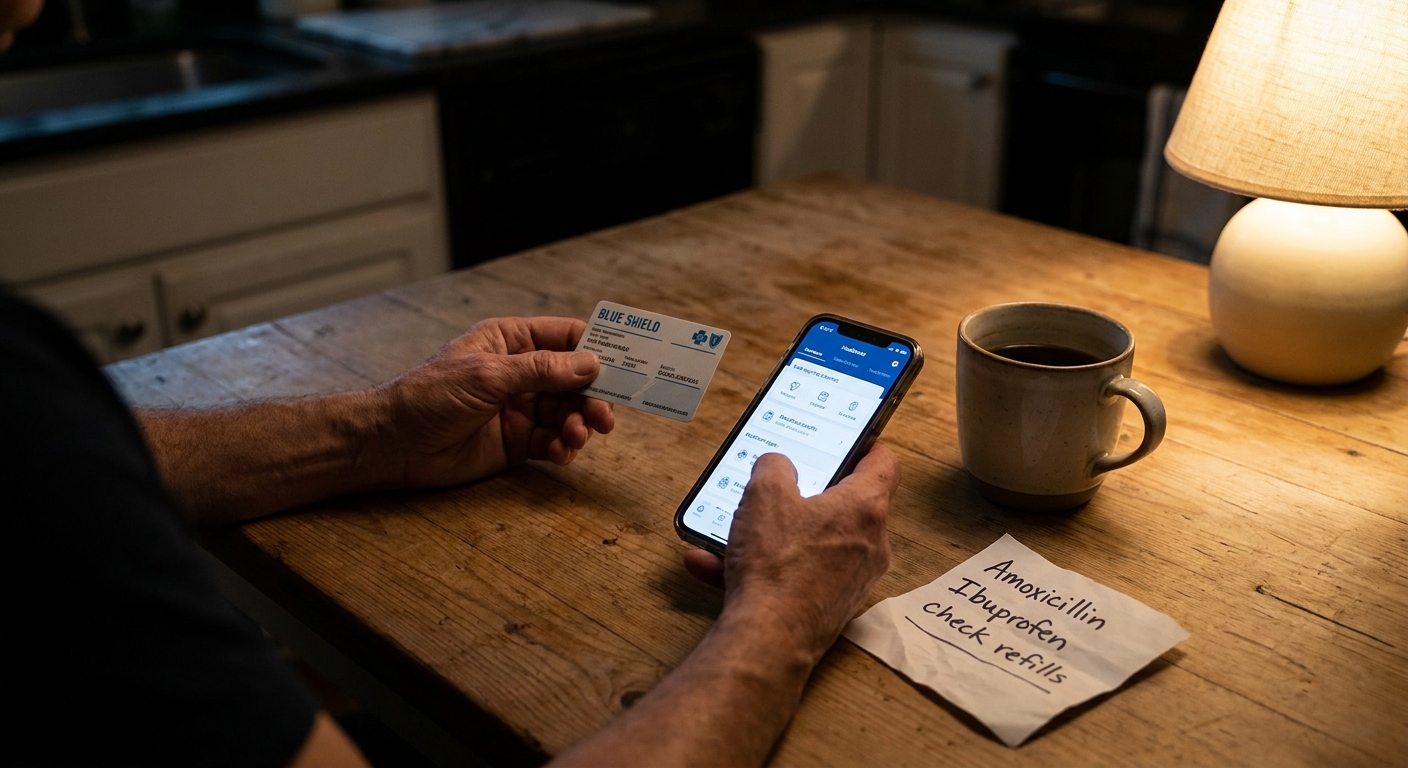
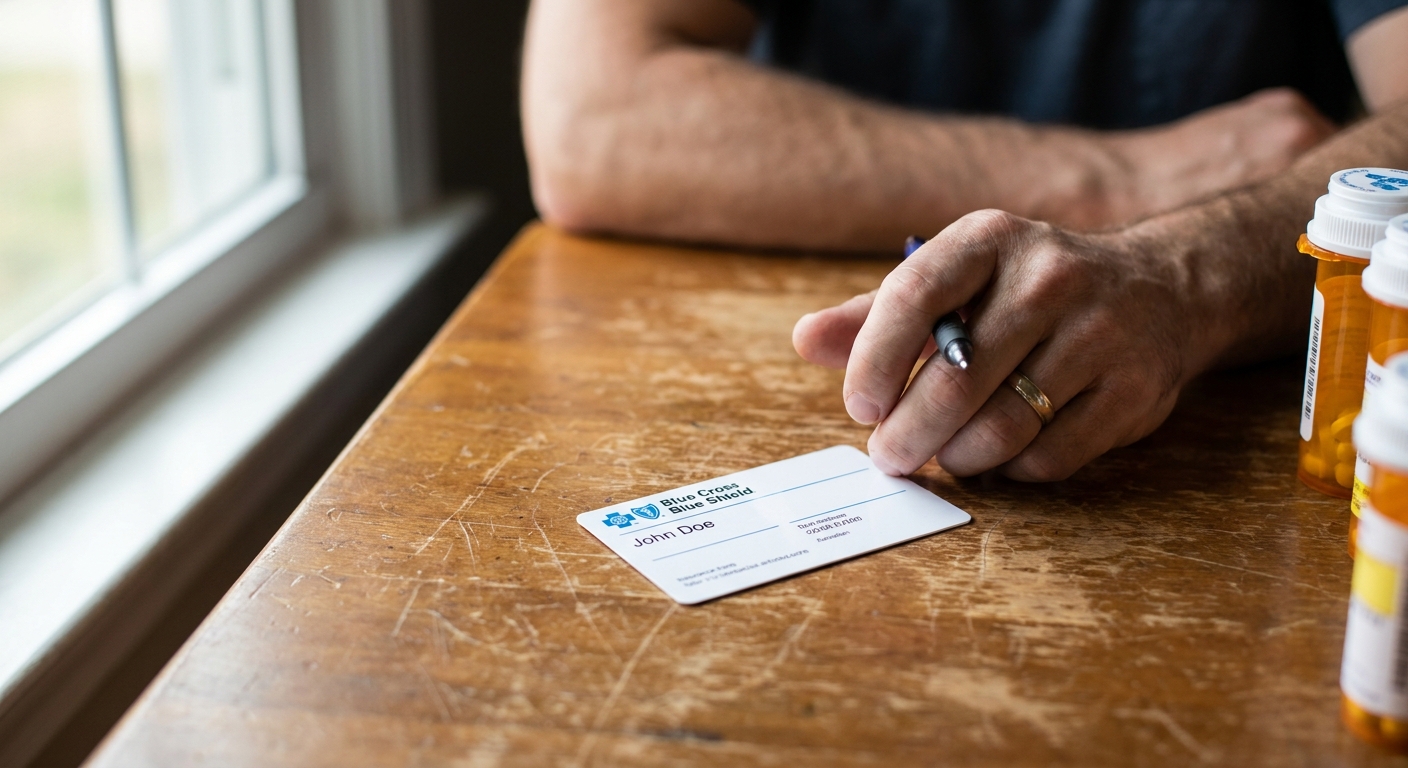
Before you dial, get the insurance card and take a photo of the front and back. Write down the member ID, the policyholder’s full name and date of birth, and your loved one’s date of birth. Add a short note about what they use, roughly how much, and when they last used. Those few details are what let the team verify coverage in one call instead of three.
You have been carrying this for a long time. One call will not fix everything, but it can turn “how much is rehab in NH?”, the question you keep searching at night, into a real answer for your family. And it starts your loved one toward personalized healing in a place that treats them like a person.
Getting Real Answers About Your Specific Situation
Every family’s insurance plan is different, and trying to decode benefits language on your own can feel overwhelming when you need clarity now. The team at New Hampshire Detox in Bethlehem understands that cost is one of the biggest questions standing between you and treatment, and they can verify your coverage and walk you through exactly what your plan will cover for residential detoxification. You deserve straightforward answers before making this decision.
- This article is general information, not medical or financial advice.
- Individual outcomes vary, and no treatment program can predict or guarantee a specific result for any person.
- Coverage and costs vary by plan and are confirmed with the insurer at the time of verification.
- If you or a loved one is in immediate danger, call 911.