A 2021 study published in Drug and Alcohol Dependence found that treatment dropout rates increase significantly with every additional mile between a patient and their treatment facility. Choosing where to get help for rehab in Bethlehem, New Hampshire is not just a logistical question. It is a clinical one, and the answer shapes whether recovery actually sticks.
Why location shapes recovery outcomes
A 2020 SAMHSA analysis of over 600,000 treatment admissions found that individuals who received care within 50 miles of their home county completed residential treatment at rates 23% higher than those who traveled beyond state lines for care. Distance creates dropout risk, plain and simple. But the flip side is also true: traveling to a setting genuinely removed from the triggers and stressors of daily life can improve engagement, particularly for residential detox.
Bethlehem sits at the geographic center of that tension. It is far enough from the pressures of Manchester, Concord, or the seacoast to provide real separation from the environments that sustain addiction, yet close enough to remain accessible for families and aftercare coordination across New Hampshire. For anyone evaluating residential care across the state, geography deserves as much weight as clinical programming in the decision.
What rehab in bethlehem looks like
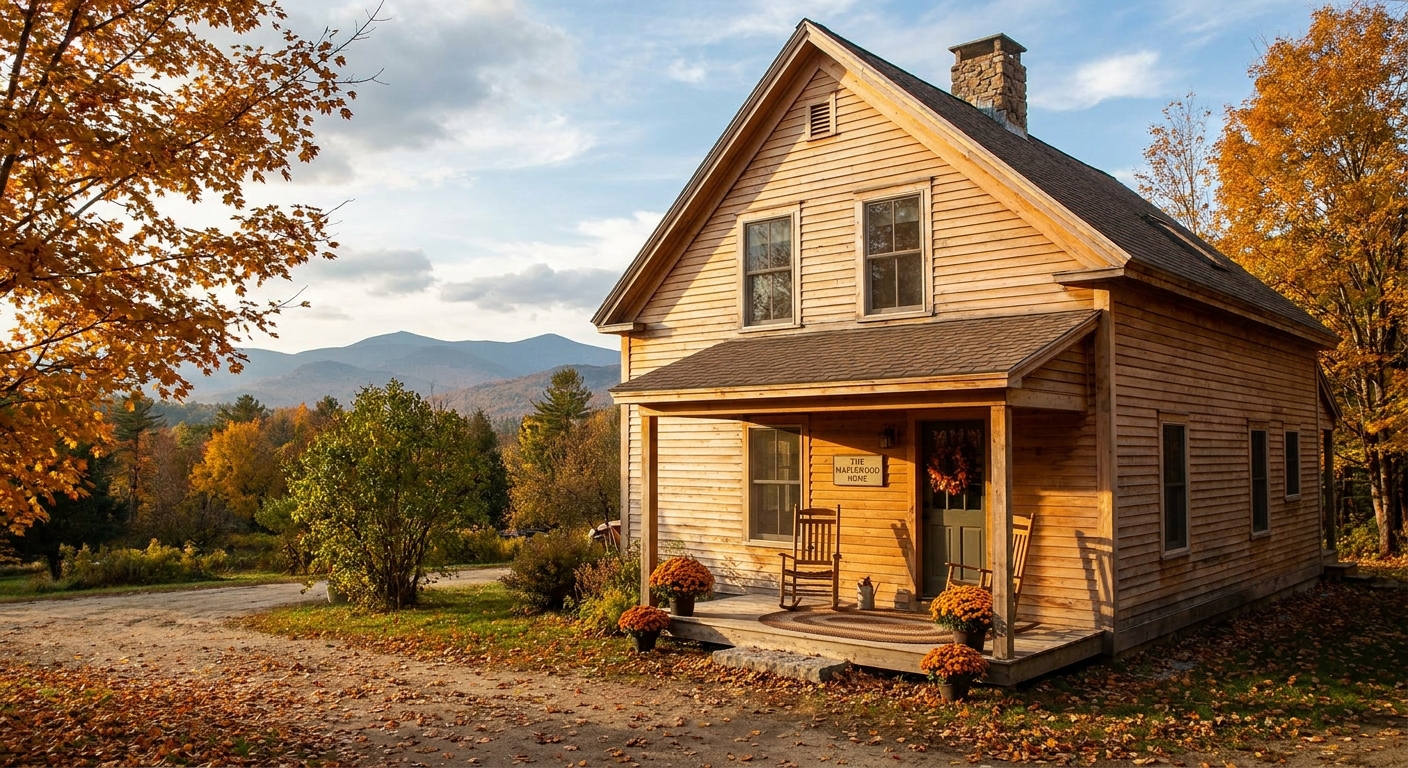
Bethlehem is a small town in Grafton County, tucked into the White Mountains at roughly 1,400 feet elevation. That setting matters more than it sounds. A landmark 2015 study by Kaplan and Berman on Attention Restoration Theory found that natural environments, particularly those with expansive views and reduced urban noise, measurably lower cortisol levels and restore directed-attention capacity within 40 to 60 minutes of exposure. For someone entering detox, that neurological reset is not a luxury feature. It is a clinical asset.
A typical day in a residential facility here begins with a structured morning check-in, moves through individual and group therapy sessions in the late morning, and includes scheduled outdoor time in the afternoon. Evenings are generally reserved for peer community meetings and psychoeducation groups. The rural White Mountains environment keeps the sensory load low, which supports the nervous system regulation that early recovery demands.
Detox as the starting point
Medically supervised detox is not optional for moderate-to-severe physical dependence on alcohol, opioids, or benzodiazepines. It is the first clinical step, and it has to come before residential treatment can be effective. A 2019 study in the Journal of Substance Abuse Treatment tracked 1,200 patients through residential programs and found that those who completed medically managed detox prior to residential admission had 38% higher 90-day abstinence rates than those who attempted to transition without it.
What makes a detox program clinically sound is the presence of licensed medical staff around the clock, access to FDA-approved medications for withdrawal management (including buprenorphine for opioid withdrawal and benzodiazepines for alcohol withdrawal), and a clear handoff protocol into the residential level of care that follows. Before committing to any facility, ask one direct question: what is the medical staffing model during overnight hours? The answer tells you whether the program is genuinely equipped for detox or simply calling itself one.
Residential treatment and what happens after detox
Detox addresses physical stabilization. Residential treatment addresses everything that comes next. A 2020 meta-analysis in Addiction covering 34 randomized trials found that residential treatment produced significantly better long-term outcomes than outpatient-only care for individuals with moderate-to-severe substance use disorder, with the gap widening at the 12-month follow-up mark.
Residential care in Bethlehem typically includes individual therapy (often cognitive behavioral therapy or motivational interviewing), structured group sessions, peer community support, and dual diagnosis treatment for co-occurring mental health conditions. The structured schedule matters: idle time in early recovery is high-risk time. To evaluate whether residential is the right level of care for your situation or a family member’s, look at frequency of use, history of prior treatment attempts, and whether outpatient attempts have failed. If any two of those three are significant, residential is the appropriate starting point.
Insurance coverage for rehab in new hampshire
The Mental Health Parity and Addiction Equity Act (MHPAEA), passed in 2008 and strengthened by subsequent CMS guidance in 2023, requires that insurers cover substance use disorder treatment on the same terms as medical and surgical care. In practice, this means commercial insurers, including Aetna, Anthem, Cigna, Harvard Pilgrim, and Tufts, are legally required to cover medically necessary detox and residential treatment when clinical criteria are met.
Tricare follows separate DoD guidelines but provides comparable coverage for active duty and veteran beneficiaries. New Hampshire Medicaid members enrolled through WellSense, AmeriHealth Caritas, or the Granite State Health Plan have access to covered residential SUD treatment under New Hampshire’s Medicaid state plan. The coverage exists across these payers. The variable is authorization, prior authorization requirements, and network participation. The one call to make before anything else is to the facility’s admissions team, not the insurance company’s member line. Admissions teams run benefits verifications daily and know exactly what each payer requires in terms of documentation and clinical criteria. That call takes 15 minutes and eliminates the most common reason people delay starting care.
Addiction trends in grafton county and northern new hampshire
Grafton County has not been insulated from New Hampshire’s overdose crisis. According to New Hampshire Department of Health and Human Services data, Grafton County recorded 28 drug overdose deaths in 2022, a rate that, adjusted for population, places it among the harder-hit counties in the state. Fentanyl is present in the majority of those deaths, consistent with statewide patterns, but stimulant co-use, particularly methamphetamine, has increased in northern New Hampshire in ways that complicate opioid-focused treatment models.
The practical implication for anyone navigating care options in Grafton County is this: the local population entering residential treatment increasingly presents with polysubstance use rather than single-substance dependence. A facility without dual diagnosis capability and without protocols for stimulant use disorder alongside opioid use disorder is not fully equipped for the current clinical picture in this region.
How to choose the right rehab in bethlehem
A 2019 SAMHSA report on treatment quality indicators identified five program characteristics most predictive of positive outcomes: accreditation by a nationally recognized body, licensed and credentialed clinical staff, on-site medical detox capability, individualized aftercare planning, and active insurance participation with major payers. No single characteristic predicts success in isolation, but facilities that meet all five perform measurably better at the 6- and 12-month marks.
For anyone comparing residential programs across northern New Hampshire, the first verification to make is accreditation. Look specifically for CARF (Commission on Accreditation of Rehabilitation Facilities) or Joint Commission accreditation. Both require facilities to meet documented standards for clinical quality, staff credentials, and patient rights. You can verify accreditation status directly on the CARF or Joint Commission websites before ever touring a facility.
What to ask before you enroll
Three questions cut through most of the noise when evaluating a residential program in a single conversation.
First, ask what the staff-to-client ratio is during active treatment hours. Programs with ratios above 1:8 often cannot deliver meaningful individual therapy alongside group work. The answer reveals clinical capacity, not marketing language.
Second, ask what the discharge and aftercare planning process looks like, and when it begins. A 2018 study in Psychiatric Services found that structured aftercare planning initiated during residential treatment, not at discharge, reduced 30-day readmission rates by 31%. Programs that start this conversation during intake are organized around outcomes. Programs that start it the week of discharge are not.
Third, ask whether the facility treats co-occurring mental health conditions or refers them out. In 2024, SAMHSA estimated that 50% of people with a substance use disorder have at least one co-occurring mental health condition. A facility that refers co-occurring conditions to outside providers creates coordination gaps at exactly the moment care needs to be integrated.
What to try this week
A 2017 study in Health Affairs found that treatment-seeking adults who entered care within seven days of deciding to pursue help had significantly better 12-month outcomes than those who waited two weeks or more. The mechanism is straightforward: ambivalence increases with time, and the window where motivation is highest is narrow. Call a facility’s admissions line today, or within the next 24 hours if today is not possible. Ask them to run your insurance benefits and describe what the intake process looks like. You do not have to commit to anything on that call. What you do is gather the specific information that makes the next decision easier, and you do it before the window closes.
For a broader look at what to prioritize when evaluating any residential program, including questions about level of care and clinical criteria, the criteria above apply across facility types and locations.
Frequently asked questions
What is the difference between detox and residential rehab in bethlehem?
Detox is a medically supervised process that manages acute withdrawal from substances such as alcohol, opioids, or benzodiazepines. It typically lasts three to seven days depending on the substance and severity of dependence. Residential rehab follows detox and provides structured therapy, peer support, and clinical programming over a longer period, generally 30 to 90 days. Both levels of care are available in Bethlehem, and for most people with moderate-to-severe dependence, both are necessary in sequence.
Does new hampshire medicaid cover residential rehab at a facility in bethlehem?
Yes. New Hampshire Medicaid, through managed care plans including WellSense, AmeriHealth Caritas, and Granite State Health Plan, covers medically necessary residential substance use disorder treatment when clinical criteria are met. Verification of coverage specifics is handled through the admissions team at the facility, not through the member services line of the health plan.
Do people travel from outside grafton county to get treatment in bethlehem?
Regularly. Bethlehem’s location in the White Mountains makes it a destination for residential detox for clients from across New Hampshire, including from the seacoast, Manchester, and Concord areas. The separation from familiar environments and stressors is part of the clinical rationale for traveling to a residential program rather than choosing care in your immediate community.
What substances do bethlehem-area rehab programs treat?
Programs in the Bethlehem area treat alcohol use disorder, opioid use disorder (including fentanyl and prescription opioids), benzodiazepine dependence, stimulant use disorder, and polysubstance dependence. Given local trends showing increasing methamphetamine co-use alongside opioids in Grafton County, facilities equipped for dual-substance presentations and co-occurring mental health conditions are the most clinically relevant choice for this region.
How long does residential treatment in bethlehem typically last?
Length of stay varies by clinical need. Detox alone runs three to seven days. Residential treatment following detox commonly runs 28 to 45 days at the short-term level and 60 to 90 days for extended residential care. Insurers authorize length of stay based on ongoing clinical criteria, and authorizations are reviewed regularly during treatment. A facility with strong utilization management staff will navigate this process on your behalf.