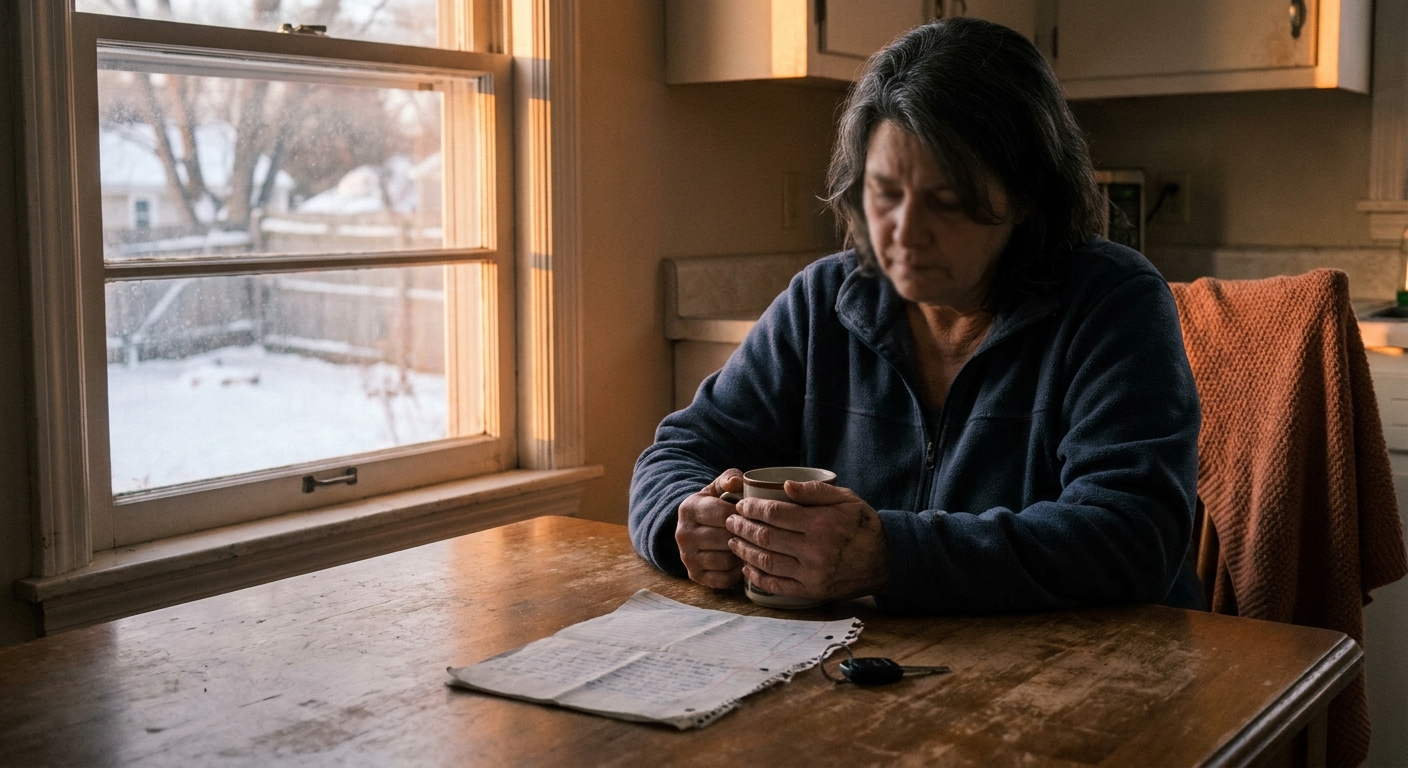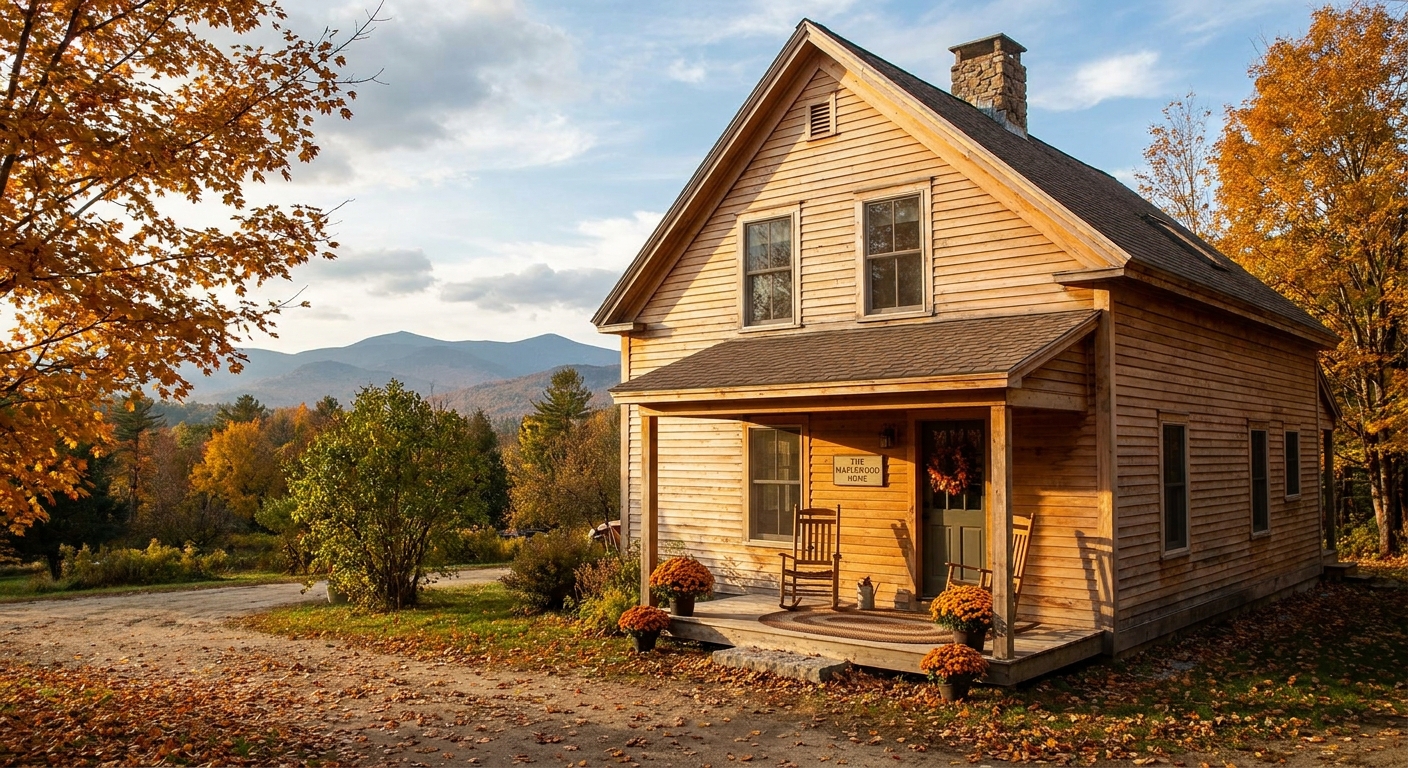

Most people who search for the worst city expect the answer to be a name, a place that tells them how much danger their family is in. What the rankings actually do is count different things, such as overdoses, arrests, or treatment admissions, and none of those counts says whether the person you love is safe tonight. When families call the intake team at New Hampshire Detox in Bethlehem, NH, the first questions are about that one person: whether they are conscious, breathing normally, and out of immediate danger. The seven points below explain how to read any NH ranking so it informs your next step instead of replacing it.
The seven points below show you how to read a New Hampshire drug ranking with a careful eye. They also explain why the city in a headline may matter less than you might think, and how to reach a safer next step for your family.
1. What City Has the Worst Drug Issue? No Single Ranking Can Answer That
No one can honestly name a single New Hampshire city with the worst drug issue, because each ranking counts something different and can get a different answer. A more useful question for your family is whether your person is safe right now and what level of care may fit them.
Every ranking makes choices before it publishes a single number. It picks one measure, such as overdose deaths or arrests. It picks a time period, which might be one year or several. It decides whether to show raw counts or rates adjusted for population. Change any one of those choices and the “worst” town can change too. Two rankings can disagree and still both be accurate, because they answer different questions. A headline that crowns one town as the worst hides all of those choices from you.
The way a ranking makes you feel can also steer you wrong. If your town ranks near the top, you may panic and assume the worst about your person. If it ranks near the bottom, you may feel a false sense of calm, as if things cannot be that bad where you live. Neither feeling tells you what your person used, how much, or whether stopping could be dangerous. Risk lives in the person, not in the ZIP code.
That is why New Hampshire Detox starts with your person instead of your town. The group behind New Hampshire Detox was founded after seeing care in hard-hit areas keep falling short, and believing that patients deserved better. Treat any ranking as background reading, not a verdict. The next two points show you how to read one, and the four after that walk you toward a possible next step.
2. What Is the Ranking Actually Counting?
Most drug rankings count one of four things: overdose deaths, emergency room visits, treatment admissions, or arrests. Each measure tells a different story, so the measure a ranking picks often decides which town looks “worst.”
Here is what each measure can and cannot show you:
- Overdose deaths show the most serious harm. Reports may count a death where it happened or where the person lived, and final counts can take months because test results come in slowly.
- Emergency room visits show where people sought help. A town with a hospital may log visits from people who live in nearby towns.
- Treatment admissions show where people entered care. A high number can mean better access to treatment, not more drug use.
- Arrests and drug seizures show where police focused their work and where drugs moved. They reflect enforcement choices as much as drug use.
That last measure shows how much the lens matters. Law enforcement reports such as the Drug Enforcement Administration’s 2020 National Drug Threat Assessment look at drug trafficking and availability. That is real and useful information, but it describes supply routes, not how many families in one town are struggling. A town on a busy highway can look “worse” on a seizure-based ranking than a town with more people who need care.
Even the data systems built to spot drug problems have limits. A federal review from the U.S. General Accounting Office, Emerging Drug Problems, looked at the systems used to detect new drug trends and raised concerns about how well and how quickly they capture what is happening. If the national systems have gaps, a quick online ranking built from one of them can have gaps too. When you want current local figures, go to New Hampshire’s state health department and check two things before you trust the number: which measure it uses and what dates it covers.
3. Why Does Population Size Make Small Towns Look Worse or Better?
Small towns can swing from the top of a ranking to the bottom because a handful of events can change their rate a lot. In a large city, those same few events barely move the number.
Picture a small New Hampshire town with a few thousand people. If one or two more overdoses happen there this year than last year, its rate can jump sharply, and a ranking may suddenly call it one of the worst places in the state. The next year, if those events do not repeat, the town can drop far down the list. Nothing about the town’s real situation may have changed much. The math simply behaves that way when the population is small.
Large cities work differently. A city many times bigger can see the same change in raw numbers and its rate will hardly move. That is why researchers who compare large places use rates instead of raw counts. A data brief from Drexel University’s Urban Health Collaborative, for example, compares drug overdose deaths across big U.S. cities on that basis. Rates help put places of different sizes on equal footing. In small towns, though, rates still bounce around from year to year, which is why some reports combine several years of data or hold back very small numbers.
Much of New Hampshire is made up of small towns, including Bethlehem, NH. So when a small town shows up at the very top or bottom of a ranking, treat it as a signal to look closer, not as settled fact. State drug reports are more useful when you read them across several periods instead of reacting to one headline. A trend over several years tells you more than a single year’s rank. Still, even the best trend line cannot tell you whether your person is safe tonight. Only a conversation can begin to do that, which brings us to what that conversation sounds like.
4. What Does a Detox Team Ask Before Anything Else?
At New Hampshire Detox in Bethlehem, NH, the intake team asks about immediate safety before it says a word about admissions, insurance, or logistics. If there are signs of an emergency, the team directs you to emergency medical or psychiatric care instead of telling you to wait.
The first thing the team wants a family to hear is this: “Take a breath. You don’t have to figure this out by yourself tonight. Let’s talk about what’s happening, and we’ll help you determine what the safest next step is.” Families often call scared and worn out. Before anything else, the team’s practice is to slow the conversation down and listen, so you know you are talking to people who understand how hard this moment is, and so you know you aren’t alone.
Then the screening follows a set order:
- First, what is happening right now. Are they conscious and responsive? Are they breathing normally? Are they having a medical emergency, such as severe confusion, uncontrolled vomiting, seizure activity, or chest pain?
- Next, behavioral health safety. Are they expressing suicidal or homicidal thoughts? Do they have a plan or intent? Are they experiencing severe agitation, psychosis, or anything else that could make them a danger to themselves or someone else?
- Then, substances and timing. What was used, how much, and when was it last used? Were multiple substances involved? The team asks about alcohol and benzodiazepines specifically.
- Finally, medical history and current medications. This helps the team understand possible risks and decide what level of care may fit.
If any answer points to an immediate medical or psychiatric emergency, the team does not tell you to wait until morning. It points you toward emergency care right away. If there is no emergency, the screening continues so the team can decide whether its level of care may be a good match for your person.
Notice what is missing from that sequence: nobody asks how your town ranks. As the team puts it, “we don’t make families diagnose the situation themselves.” Your job is to describe what you are seeing. The team’s job is to ask the right questions, spot red flags, and help you move toward a safer next step.
How Do I Get Admitted to Detox in NH, and Is Same-Day Admission Available?
Admission follows the safety screening, never the other way around. Here is the usual path from first call to arrival:
- First, call the intake team at 833-649-1053. Tell them who you are calling about and what you are seeing right now.
- Next, answer the safety screening described above. If there is an emergency, you will be directed to emergency care first.
- Then, share insurance details so the team can check your plan and talk through coverage with you.
- Next, talk through the right level of care. The team decides with you whether residential detox in Bethlehem, NH, may be a fit, or helps you find care that is.
- Finally, plan arrival and logistics, including who will bring your person, what to pack, and how family can stay in touch.
Whether your person can be admitted the same day depends on what the screening shows, how quickly insurance can be checked, and current availability. Ask the intake team directly on the call. They can tell you what timing looks like for your situation instead of leaving you to guess.
5. Which Matters More for Risk: Your City or the Substance?
For withdrawal risk, the substance often matters more. What your person used, how much, when they last used, and whether they mixed substances can shape withdrawal risk far more than which New Hampshire town they live in.
The New Hampshire Detox intake team asks specifically about alcohol and benzodiazepine use because withdrawal from certain substances can become medically dangerous. That is why no one should stop heavy daily drinking or long-term benzodiazepine use suddenly without talking to a medical professional first. If you are worried about that kind of stop, it is a reason to call for guidance, not to wait it out at home. You can read more about how alcohol detox works at New Hampshire Detox before you call.
Mixing substances can raise the stakes. Someone who uses opioids and also drinks, or who takes a benzodiazepine alongside alcohol, has a more complicated picture than someone using one substance. That is why the team asks about every substance, not only the one that worries you most. You do not need to have every detail sorted out. An honest “I’m not sure” gives the team something to work with.
Think about how this could play out. Say your spouse lives in a town that ranks low on every drug ranking you can find. They drink heavily every day and also take a benzodiazepine for anxiety. That town’s rank says nothing about how risky it could be for your spouse to stop. The substance, the amount, and the timing say a great deal.
New Hampshire Detox offers named programs built around specific substances: an Alcohol Addiction Treatment Program, a Heroin Addiction Treatment Program, an Opioid Addiction Treatment Program, a Meth Addiction Treatment Program, a Benzo Addiction Treatment Program for people with benzodiazepine addiction, and a broader Drug Addiction Treatment Program. Medication-Assisted Treatment (MAT) is also one of its levels of care, and separate Men’s and Women’s Rehab Programs are available too. Whether MAT or a specific program may fit your person is a conversation to have with the intake team, based on what the screening shows.
What Does Medically Supported Detox Involve, and How Long Does It Take?
Detox is the stage where withdrawal is managed with medical support so your person does not have to face it alone. At New Hampshire Detox, it generally moves in this order:
- First, screening by phone, covering immediate safety, substances, timing, medical history, and current medications.
- Next, arrival and settling in at the home-like residential setting in Bethlehem, NH.
- Then, medically supported withdrawal management, shaped around the substances involved and your person’s health.
- Finally, planning what comes next, so detox can lead into the right level of care instead of ending at the door.
How long detox takes depends on the substance, the amount, how long your person has been using, and their overall health. Withdrawal from alcohol, opioids, and benzodiazepines can look very different from person to person. Ask the intake team what to expect for your person’s situation rather than trusting a single number you saw online.
6. Is a Home-Like Residential Detox in Bethlehem, NH the Right Level of Care?
It may be a fit for some people and not for others, and the intake team will talk with you about which may be true for your person. New Hampshire Detox offers medically supported detox, residential care, PHP, and MAT in a non-hospital, home-like setting in Bethlehem, NH 03574. It does not offer IOP, outpatient care, or sober living.
Here is how those levels of care line up:
| Level of care | What it generally means | Offered at New Hampshire Detox in Bethlehem, NH |
|---|---|---|
| Detox | Medically supported withdrawal management | Yes |
| Residential | Living on site with structured daily treatment | Yes |
| PHP (partial hospitalization) | Structured treatment for much of the day, several days a week | Yes |
| MAT (medication-assisted treatment) | Medication used along with recovery support | Yes |
| IOP (intensive outpatient) | Several sessions a week while living at home | No |
| Outpatient care | Regular sessions while living at home | No |
| Sober living | A substance-free home while rebuilding daily life | No |
Where Can I Find Detox Programs in New Hampshire?
Families searching across the state usually find detox through a few routes:
- New Hampshire Detox in Bethlehem, NH, for residential, medically supported detox in a home-like setting. Call 833-649-1053.
- The nearest hospital emergency department, when there are red flags such as seizures, chest pain, trouble breathing, or thoughts of suicide.
- Your primary care provider, who can help assess risk, especially before stopping heavy drinking or benzodiazepines.
- Your insurance plan’s member services line, listed on the back of your card, for in-network options.
- The federal treatment locator at FindTreatment.gov, which lists programs by location and type of care.
How Do Detox Settings in NH Compare?
Detox is not one-size-fits-all. This table compares the main types of settings you will come across in New Hampshire:
| Type of detox setting | Location | Services | Level of care |
|---|---|---|---|
| Home-like residential detox (New Hampshire Detox) | Bethlehem, NH | Medically supported withdrawal management, MAT, men’s and women’s programs, recovery support | Detox, residential, PHP, MAT |
| Hospital-based detox unit | Hospitals, often in larger cities | Withdrawal care with hospital medical resources | Higher medical level for complex or unstable cases |
| Outpatient withdrawal management | Clinics and provider offices | Check-ins while the person lives at home | Outpatient, for lower-risk withdrawal |
| Emergency department | Hospitals statewide | Emergency stabilization | Emergency care, not a detox program |
When a caller needs something New Hampshire Detox does not offer, the team acts as a personal treatment navigator. It explains the different levels of care and what it does and does not provide, then builds enough rapport to understand what your person may need. From there, it works with its business development team to help with a transition to a fitting level of care. The same help applies if a program you were counting on has stopped admitting people or has announced it is closing. You do not have to start your search over alone.
Distance is a real worry. Bethlehem, NH, is not around the corner for many families. The fears callers raise most often are being sick in withdrawal and being too far from family and kids. When someone is afraid, the team asks them to explain what scares them, comforts them, and reminds them they are making the best decision for themselves. Ask the intake team about travel and logistics directly: how arrival works, who can bring your person, what to pack, and how family can stay in touch. You can also find New Hampshire Detox’s contact details before you call.
The setting itself is a deliberate choice. Instead of a cold hospital ward, New Hampshire Detox offers a home-like place built around rebirth, regrowth, and renewal, with personalized recovery support.
What Happens After Detox?
Detox is the first step, not the whole plan. Withdrawal management comes first, and the work of rebuilding a life comes after. For some people, that means moving straight into residential care on site in Bethlehem, NH, where they live in a structured, supportive setting while they begin treatment. Others step into PHP, which offers structured treatment for much of the day, and some continue with MAT as part of their recovery support. The aim is a smooth transition, so no one walks out of detox and into an empty calendar.
Other people need care that New Hampshire Detox does not provide, such as IOP, outpatient care, or sober living closer to home. That is exactly where the personal treatment navigator role matters. The team helps your family understand those options and works toward a handoff to a fitting level of care elsewhere. Whatever the path, aftercare and recovery planning are part of the conversation from the start, because having the next step already in place can make the transition easier.
7. Does Insurance Cover Detox in Bethlehem, NH, and Which Plans Are Accepted?
Many New Hampshire families may be able to use insurance for detox at New Hampshire Detox in Bethlehem, NH, which is in network with Aetna, Blue Cross Blue Shield, Cigna, Curative Health, Granite State Health Plan, Harvard Pilgrim, Medical Cost Containment, TRICARE, and Medicaid. Medicare is not accepted.
The plan line on your card matters. For Aetna, Blue Cross Blue Shield, and Cigna, in-network coverage applies to commercial plans. On the Medicaid side, New Hampshire Detox is in network with NH Medicaid and certain Medicaid managed care plans. If your card lists a Medicaid managed care company and you are not sure which plan you have, ask the intake team to check.
Being in network is a strong start, but it does not mean every day or every service will be paid. Deductibles, copays, and approval rules vary from plan to plan. Federal law also plays a part: the Mental Health Parity and Addiction Equity Act generally requires many health plans that offer substance use disorder benefits to cover them no more restrictively than medical and surgical benefits. Your plan’s exact terms still decide the details, which is why verification matters.
If your person has Medicare only, say so early in the call. New Hampshire Detox does not accept Medicare, and the team can talk through other options with you instead of letting you find out later. For questions about cost, length of stay, or how quickly admission can happen, ask the intake team directly rather than relying on a number you saw online. Keep in mind that insurance comes after safety in the call order. The team will ask whether your person is safe right now before it asks for a member ID.
When you catch yourself asking what city has the worst drug issue at 2am, set the rankings aside and call New Hampshire Detox’s intake team in Bethlehem, NH, at 833-649-1053. They will first ask whether your person is safe right now, then check your insurance plan and talk through whether residential detox may be the right level of care, or help you find one that is. If there is an emergency, call 911 or go to the nearest emergency room.
One thing you can do in the next five minutes: write down what your person used, about how much, when they last used, whether they mixed substances, and any medications they take. Those are the exact questions the team will ask, and having the answers in front of you can turn a frightening call into a plan.
Rankings Don’t Decide Whether You Deserve Help
It’s easy to get lost in which city looks worst on paper, especially when you’re really wondering if your own situation, or a loved one’s, is serious enough to act on. A ranking can’t answer that, but a conversation can. If you’re considering residential detoxification, the team at New Hampshire Detox in Bethlehem, NH is ready to listen and talk through what a safe first step could look like, so call the office when you’re ready.
Every person’s experience with withdrawal and treatment is different, and insurance benefits vary by plan.