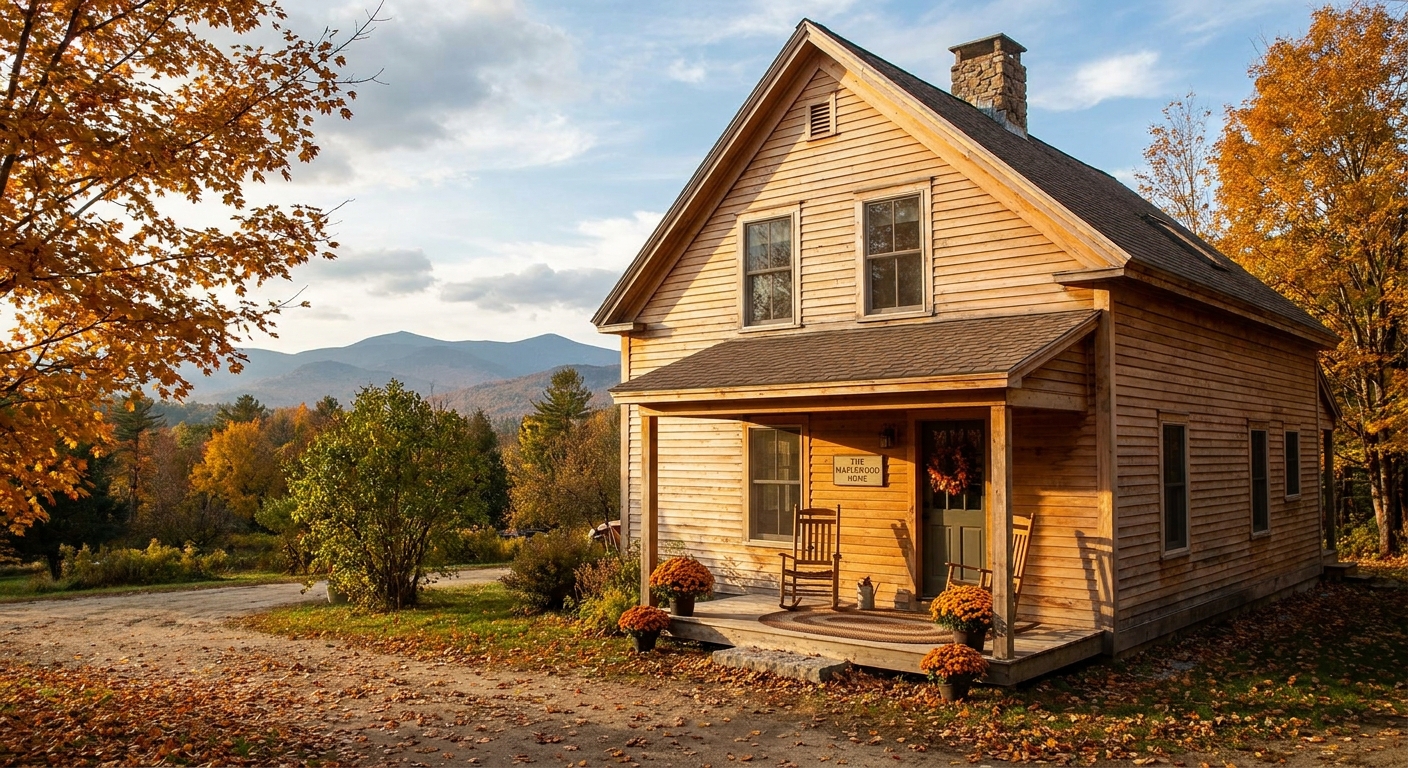
Take a breath. If you are holding a phone tonight, unsure who to call, you are not the first family to stand right where you are. The intake team at New Hampshire Detox hears the same two fears again and again: that withdrawal will make someone sick, and that treatment will put them too far from their family and kids. If you are making the calls for someone you love and asking, “Where can I find detox programs in New Hampshire?”, this guide walks you through five steps in the order that keeps your loved one safest. First, you check for an emergency. Next, you gather a few facts. Then you compare options by level of care and verify insurance. Finally, you plan the trip to Bethlehem.
You don’t have to figure this out by yourself tonight.
Those two fears are fair, and you may share them. Withdrawal can be hard on the body, and distance feels real when the person you love is going somewhere you cannot easily drive to every day. New Hampshire Detox offers residential, medically supported detox in a home-like setting in Bethlehem, not a hospital ward. The steps below show where that may fit, where it may not, and how to reach a safe next step either way.
What Do You Need Before You Start Looking for Detox in New Hampshire?
Before you call any detox program, gather a few facts about your loved one’s substance use, health, and insurance. With those in hand, one call can help clarify which level of care may fit and who to call next.
Write these down on paper or in your phone, even if some answers are rough guesses:
- What substances your loved one has been using, including alcohol and any pills
- About how much, and how often
- When they last used
- Whether they have been mixing more than one substance
- Major medical conditions, past seizures, and any past withdrawal they went through
- Current prescription medications and doses
- Their insurance card, or the plan name and member ID
You do not need perfect answers. Programs ask these questions because the answers help show how risky withdrawal may be and how much medical support your loved one may need. If you only know part of the picture, say so. An intake team can work with what you have.
If you want to see what exists statewide before you call anyone, two free federal tools can help. SAMHSA’s FindTreatment.gov lets you search for licensed treatment facilities by location and filter by services and payment options. The SAMHSA National Helpline, 1-800-662-HELP (4357), is free, confidential, and open 24 hours a day, every day of the year, and it can point you to services. The goal of this preparation is simple: a clearer picture of the level of care to ask about, and a name and number for your next call.
Step 1: Is This an Emergency Right Now?
If your loved one is unresponsive, not breathing normally, having a seizure, having chest pain, severely confused, vomiting without stopping, or talking about suicide with a plan, this is an emergency. Call 911 now, before you look for a detox bed.
That is the same order New Hampshire Detox follows when a family calls. The team describes the first thing they want a family to hear this way: “Take a breath. You don’t have to figure this out by yourself tonight. Let’s talk about what’s happening, and we’ll help you determine what the safest next step is.” Then they slow the conversation down and listen. Before anyone talks about admissions, insurance, or logistics, the first part of the call focuses on immediate safety.
First, the screening asks what is happening right now. Is your loved one conscious and responsive? Breathing normally? Having severe confusion, uncontrolled vomiting, seizure activity, chest pain, or another symptom that needs attention right away? Next, it checks behavioral health safety. Are they expressing suicidal or homicidal thoughts? Do they have a plan or intent? Are they showing severe agitation, psychosis, or behavior that could put themselves or someone else in danger?
If any of those answers point to an emergency, the team does not tell families to wait until morning. They direct you toward emergency medical or psychiatric care. If there is no immediate emergency, the screening continues. As the team puts it, “we don’t make families diagnose the situation themselves.” Their job is to ask the right questions and spot the red flags. Your job is to answer as honestly as you can, and to remember that your loved one is not alone in this moment, and neither are you.
Step 2: What Was Used, How Much, and When?
Once immediate safety is addressed, the next questions matter most. The substance, the amount, and the time of last use help shape how risky withdrawal may be and which level of care may be safest. Alcohol and benzodiazepine withdrawal can become medically dangerous, so New Hampshire Detox asks about them directly.
The screening asks what was used, how much, when the last use was, and whether several substances were involved. Then it asks about medical history and current medications. Together, those answers help show whether residential, medically supported detox may be a suitable match or whether your loved one may need a higher level of medical care first. By the end of Step 2, you should have a clearer sense of whether this level of care may fit.
New Hampshire Detox has named programs for the substances families call about most: the Alcohol Addiction Treatment Program, Drug Addiction Treatment Program, Heroin Addiction Treatment Program, Opioid Addiction Treatment Program, Meth Addiction Treatment Program, and Benzo Addiction Treatment Program. There are also separate Men’s and Women’s Rehab Programs. If your loved one uses something not on that list, or uses several things at once, ask. The intake team can discuss fit by phone.
Here is how detox at New Hampshire Detox generally unfolds, in order:
- Safety screening by phone. The team checks for any medical or psychiatric emergency first.
- Substance and health review. They ask what was used, when, and what medical history and medications are involved.
- Fit and benefits. If the setting appears appropriate, the team checks insurance and talks through admission timing.
- Arrival in Bethlehem. Your loved one is admitted to the residential detox setting.
- Medically supported withdrawal management. Withdrawal is managed in a home-like environment, with personalized recovery support along the way.
- Planning the next step. Aftercare and recovery planning begins, so detox is connected to what comes next.
How long detox takes depends on the substance, the amount, and your loved one’s health. Ask the intake team for an estimate once they have the screening details.
Step 3: Where Can I Find Detox Programs in New Hampshire, and How Do They Compare by Level of Care?
With the safety and substance questions answered, you are ready to look at options. You can find detox programs in New Hampshire through federal and state tools, your insurer, and your doctor. Then compare them by the level of care each one offers. New Hampshire Detox in Bethlehem offers detox, residential care, PHP, and MAT in a non-hospital, home-like setting.
Start your search in any of these places:
- SAMHSA’s FindTreatment.gov, searchable by location, service type, and payment
- The SAMHSA National Helpline, for confidential referrals at any hour
- The New Hampshire Department of Health and Human Services Substance Misuse Treatment Services page, which explains state treatment resources
- Your insurance company’s provider directory, or the member services number on the back of the card
- Your loved one’s primary care doctor, who knows their medical history
Your search may also turn up “detox” teas, juice cleanses, and supplements. These are not withdrawal care. The National Center for Complementary and Integrative Health notes that there is little compelling research showing that commercial detox programs remove toxins or improve health. For alcohol or drug withdrawal, look for a program that offers medical support.
Once you have names, compare them by level of care. Each level means something different for your loved one’s day, safety, and next step.
| Option | What it involves | Who it may fit | At New Hampshire Detox |
|---|---|---|---|
| Medical detox (withdrawal management) | Medical support while the body adjusts to stopping alcohol or drugs | People who are physically dependent and at risk of hard or dangerous withdrawal | Offered as residential, medically supported detox |
| Residential treatment | Living at the program for structured treatment after withdrawal | People who may need steady support away from daily triggers | Offered |
| Partial hospitalization (PHP) | Structured treatment for much of the day, several days a week | People who may need strong support but not round-the-clock care | Offered |
| IOP and outpatient | Scheduled sessions while living at home | People who are medically stable with a safe home setting | Not offered; the team helps you find it elsewhere |
| Medication-Assisted Treatment (MAT) | Medication used as one part of a broader recovery plan | Often people with opioid or alcohol use disorders, after a medical assessment | Offered |
| Sober living | A substance-free shared residence | People ready to live more independently in recovery | Not offered; the team helps you find it elsewhere |
| New Hampshire Detox, Bethlehem, NH 03574 | Detox, residential, PHP, and MAT in a non-hospital, home-like setting | Men and women withdrawing from alcohol, heroin, opioids, meth, or benzodiazepines | Fit, timing, and length of stay discussed by phone |
Honesty about limits matters here. When a caller needs something New Hampshire Detox does not offer, the team explains the different levels of care and what they do and don’t provide. They then act as a personal treatment navigator, working with their business development team to help with a transition to another level of care. The aim is that you are not left facing a dead end.
Keep in mind that programs change. A center may stop offering a service or change the insurance it takes, and online directories do not always keep up. Confirm any program’s current services and status by phone before your loved one packs a bag.
Questions to ask any New Hampshire program
Wherever a program is located, the same questions can help protect your loved one:
- Do you offer medically supported detox for the substances my loved one uses, including alcohol and benzodiazepines?
- What happens on the first call, and do you screen for emergencies before talking about admission?
- Do you accept our insurance, and will you verify benefits before we travel?
- When could admission happen, and what should we bring?
- What is the usual length of stay for detox?
- What happens after detox, and do you help arrange care you do not offer?
- What are the rules for phone calls and family contact?
Step 4: Does Insurance Cover Detox at a New Hampshire Facility?
Insurance may help pay for detox, and New Hampshire Detox is in-network with Aetna, Blue Cross Blue Shield, Cigna, Curative Health, Granite State Health Plan, Harvard Pilgrim, Medicaid, Medical Cost Containment, and TRICARE. Medicare is not accepted, and what your loved one’s plan actually pays is confirmed through a verification of benefits by phone.
Plan names matter, because one insurance company can sell several different plan lines. Here is how the accepted plans appear on file at New Hampshire Detox:
- Aetna: Aetna commercial plans
- Blue Cross Blue Shield: Anthem commercial plans
- Cigna: Evernorth (Cigna) commercial plans
- Harvard Pilgrim: Tufts Health Plan/Harvard Pilgrim, part of Point 32 Health
- Medicaid: NH Medicaid, plus the AmeriHealth Caritas and WellSense Medicaid plans only
- Also in-network: Curative Health, Granite State Health Plan, Medical Cost Containment (MCCP), and TRICARE
If your loved one has AmeriHealth Caritas or WellSense, note that only their Medicaid plans are on this list. If your loved one has Medicare, New Hampshire Detox cannot accept it, and the team can talk with you about other paths. Read the card closely and have the member ID ready before you call.
In-network status is a good sign, but it is not a promise of what a plan will pay. Deductibles, copays, prior authorization, and level-of-care approval all vary from plan to plan. That is why benefits are checked before anyone gets in a car, so you can have specific answers about your plan rather than guesses.
Step 5: How Do You Get to Bethlehem and Plan for Distance?
Once coverage is clear, the last piece is getting there. Bethlehem sits in the White Mountains region of northern New Hampshire, so for many families the trip is part of the plan. You can talk through travel and admission timing on the same call as your screening.
Distance is one of the two fears the New Hampshire Detox team hears most. It is natural to worry about your loved one being far from home, or far from their children. For some people, distance may also offer something useful: a setting away from familiar triggers and routines. Your loved one is not being sent away. They are being offered room to focus on rebirth, regrowth, and renewal.
Here is the admission sequence many families follow:
- Call the intake team. Start with what is happening right now.
- Complete the safety screening. Answer the emergency, substance, and medical questions from Steps 1 and 2.
- Verify benefits. The team checks your loved one’s insurance.
- Make a travel plan with a family member. Decide who drives or how your loved one will get to Bethlehem, and ask what to pack.
- Confirm admission timing. Ask when your loved one can arrive, and confirm before you leave home.
Is same-day admission possible? Ask. Timing depends on the screening and the benefits check, and the intake team confirms it by phone, so do not assume either way. Bring your other questions to the same call: length of stay, visiting rules, and phone contact with family. For contact details and directions, visit the New Hampshire Detox website.
What Happens After Detox: Residential, PHP, MAT, and Aftercare?
Detox is the first stage of care, not the whole plan. After withdrawal is managed, the next step at New Hampshire Detox may be residential care, partial hospitalization (PHP), or Medication-Assisted Treatment, along with aftercare and recovery planning.
Withdrawal management supports a person through the physical part of stopping. On its own, though, it usually does not address the patterns that may have kept someone using. The National Institute on Drug Abuse notes that detoxification is only the first stage of treatment and that addiction is a treatable condition. That is why planning for what comes next starts during detox, not after discharge.
At New Hampshire Detox, the path can continue in the same place. Residential care offers structure and time after the hardest days of withdrawal. PHP offers a step down in intensity while keeping strong support in place. Medication-Assisted Treatment may be part of the plan when a medical assessment shows it fits. Throughout, the focus is personalized recovery support, with an emphasis on rebirth, regrowth, and renewal rather than a one-size plan.
Some people may need care that New Hampshire Detox does not provide, such as intensive outpatient, standard outpatient therapy, or sober living. Those may follow elsewhere, often closer to home. When that happens, the team works as a personal treatment navigator to help with the transition. No program can promise how recovery will go for any one person, but having a plan for what follows detox may offer more footing than leaving without one.
Short Answers to the Questions Families Still Have
The answers below come straight from the steps above, so you can find what you need quickly. If your question is not here, the intake team can answer it on the phone.
Where can I find detox programs in New Hampshire?
Search FindTreatment.gov, call the SAMHSA National Helpline, check your insurer’s directory, or ask your loved one’s doctor. Then match the program to the level of care your loved one may need. New Hampshire Detox offers residential detox in Bethlehem.
Does New Hampshire Detox treat both alcohol and drug withdrawal?
It has named programs for alcohol, heroin, opioid, meth, and benzodiazepine addiction, and the intake team can discuss fit by phone.
Which insurance plans does New Hampshire Detox accept?
It is in-network with Aetna, Blue Cross Blue Shield, Cigna, Curative Health, Granite State Health Plan, Harvard Pilgrim, Medicaid (including AmeriHealth Caritas and WellSense Medicaid plans only), Medical Cost Containment, and TRICARE. Medicare is not accepted, and a benefits check confirms coverage.
Is same-day admission available for detox in NH?
Admission timing is confirmed by the intake team by phone, so call and ask rather than assume.
What if my loved one needs outpatient care or sober living after detox?
New Hampshire Detox does not offer IOP, outpatient care, or sober living. The team acts as a personal treatment navigator to help your loved one find that care.
Is detox enough to treat a substance use disorder?
The National Institute on Drug Abuse describes detox as only the first stage of treatment, so a plan for further care matters.
You have now done the hard part: you know what to check, what to ask, and what to have ready. Call New Hampshire Detox at 833-649-1053 to start a safety-first screening, verify your loved one’s insurance benefits, and ask about admission timing and travel to Bethlehem. Before you dial, write down one thing: the time of your loved one’s last drink or dose. That single detail helps show how urgent the next few hours may be, and it is a question families often wish they had answered before the call.
Ready to Take the First Step Toward Detox?
Searching for a detox program in New Hampshire can feel like one more thing to get wrong, especially when you are already worn down. You do not have to sort through every option on your own. The team at New Hampshire Detox in Bethlehem, NH can talk with you about residential detoxification and help you understand what the next step could look like, so reach out to the office when you are ready.
This article is general information, not medical advice, and individual experiences with detox and recovery vary. If someone is having a seizure, chest pain, trouble breathing, or thoughts of suicide with a plan or intent, call 911 right away.