
No state ranking can tell you how worried to be about one person, because “worst” depends on what each list measures, and the lists measure different things. The seven points below explain how to read any ranking you come across, and why the better guide is what you are seeing in your own family, which is where the team at New Hampshire Detox in Bethlehem, NH, begins when a family calls.
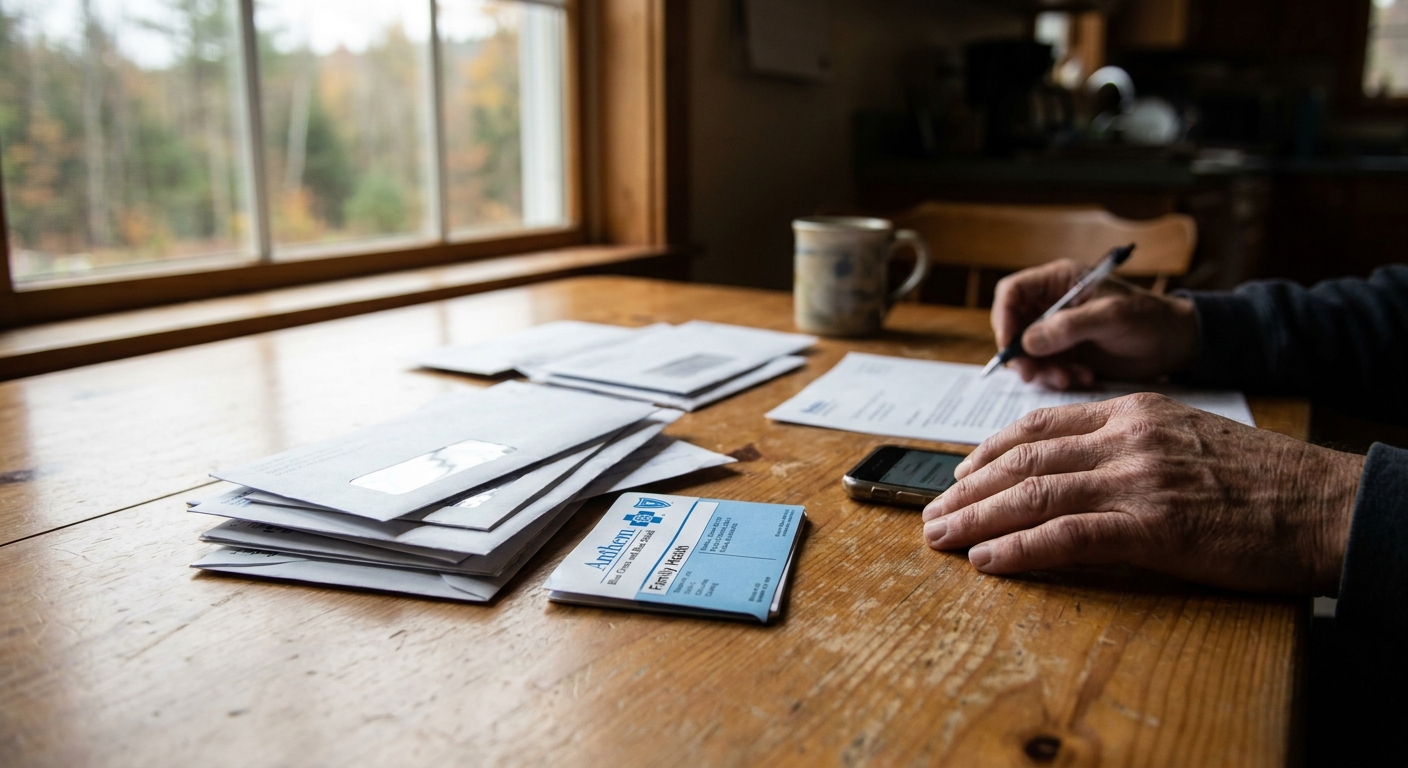
Take a breath. If someone you love may need detox and carries a Blue Cross Blue Shield card, here is something that may be useful: New Hampshire Detox in Bethlehem, NH accepts Blue Cross Blue Shield and is in-network with it. The plan is on file as Anthem Commercial. That one fact may matter more tonight than any state ranking. The seven points below explain what those rankings measure, what they miss, and one possible next step for a New Hampshire family.
1. Which State Has the Worst Drug Problem? Why Every Ranking Gives a Different Answer
No single state has “the worst drug problem,” because the answer changes with what you measure. A ranking built on overdose deaths will name different states than one built on rates of substance use disorder, drug arrests, or access to treatment.
Most rankings combine several kinds of data, and each one tells a different part of the story. Overdose death rates count people who died. Survey data on substance use disorder estimates how many people meet the criteria for a disorder, including people who are still alive and still struggling. Drug-related arrests reflect police priorities and local laws as much as drug use. Treatment access looks at beds, providers, and wait times. Each publisher picks which of these to include and how much weight to give each one. If you change the weights, the “worst” state changes too.
Time matters as well. A state can have a high overdose rate with improving numbers, while another state has a lower rate that is rising fast. Researchers who studied states with the five worst and five best trends in opioid overdose mortality between 2018 and 2023 looked at the direction of change, not the level at one point in time. “Worst trend” and “worst rate” are two very different claims, and a headline rarely tells you which one it means.
If you want current state-level figures, go to the sources the rankings borrow from. SAMHSA’s National Survey on Drug Use and Health publishes state estimates of substance use and treatment. The CDC also publishes provisional drug overdose death counts by state, and those counts are revised as reports come in. Check the date on any figure you read. Survey data usually describes an earlier year, and provisional counts can shift. A ranking that does not show its measure or its date is giving you an opinion, not an answer.
2. What Should a New Hampshire Family Check Instead of a State Rank?
Asking which state has the worst drug problem is a natural way to measure the size of the danger. But once you have looked at the official data, it can help to turn your attention back to the person in front of you. A state’s position on a list does not change what one person needs today.
It may feel like living in a state that shows up on these rankings means the odds are stacked against your family. That fear makes sense. When a whole region is dealing with drug use and overdose, it can seem like your loved one is caught in something too big to fight. But state data describes populations. It cannot tell you whether your husband is close to a dangerous alcohol withdrawal, whether your daughter mixed substances last night, or whether your father’s benzodiazepine use means he should not stop on his own.
The questions that shape what happens next are much smaller and much closer to home. What is the person using? How much? When was the last use? Have they tried to stop before and gotten sick? Do they have health problems or take other medications? Those answers can point toward a suitable level of care. Your state’s rank does not.
There is also a practical question no ranking answers: is there detox nearby that works with the insurance you already have? For a New Hampshire family, that answer can be close to home. New Hampshire Detox offers residential detox in Bethlehem, NH and is in-network with Blue Cross Blue Shield (Anthem Commercial) along with several other plans. Once you know that, the conversation can move away from how bad things are in general and toward what you can do this week.
3. Is the Person Safe Right Now? The Questions New Hampshire Detox Asks First
The first thing New Hampshire Detox works out on a call is whether the person is safe right now, before anyone talks about insurance or admission. The screening follows a set order. If there is an emergency, the family is directed to emergency medical or psychiatric care right away.
Families often call when they are scared and exhausted. So before any questions, New Hampshire Detox wants you to hear this: “Take a breath. You don’t have to figure this out by yourself tonight. Let’s talk about what’s happening, and we’ll help you determine what the safest next step is.” Their approach is to slow the conversation down and listen first. The aim is for you to feel like you are talking with people who understand how hard this moment is, not like you are being handed a pile of information.
First, they ask what is happening right now. Is the person conscious and responsive? Are they breathing normally? Are they having seizure activity, chest pain, severe confusion, uncontrolled vomiting, or any other symptom that needs immediate attention?
Next, they check behavioral health safety. Is the person expressing suicidal or homicidal thoughts? Do they have a plan or intent? Are they severely agitated, showing signs of psychosis, or in a situation where they could be a danger to themselves or someone else?
Then they ask about substances and timing. What was used? How much? When was it last used? Were multiple substances involved? They ask about alcohol and benzodiazepines in particular, because withdrawal from those can become medically dangerous.
Finally, they ask about medical history and current medications. That helps them understand the risks and consider what level of care may fit.
If anything points to a medical or psychiatric emergency, New Hampshire Detox does not tell families to wait until morning. They direct you to emergency medical or psychiatric care. If there is no emergency, the screening continues so they can assess whether their level of care may be a fit. In their words, “we don’t make families diagnose the situation themselves.” Your job is to answer honestly. Their job is to ask the right questions, watch for red flags, and help you consider a safe next step.
4. Which Substance Was Used Matters More Than Where You Live
Withdrawal risk depends on the substance and the pattern of use, not on your state’s ranking. Alcohol and benzodiazepine withdrawal can be medically dangerous, so a person who uses heavily should not stop alone without medical guidance.
This is where loving, well-meaning families sometimes get into trouble. Pouring out the bottles or flushing the pills can feel like the brave thing to do. But with heavy, long-term alcohol or benzodiazepine use, stopping suddenly can lead to serious complications, including seizures. That is exactly why the New Hampshire Detox screening asks about those two substances by name. If your loved one drinks heavily every day or takes benzodiazepines regularly, talk to a doctor or a medical detox program before they stop.
Other substances bring different risks. Withdrawal from heroin and other opioids is often described as intensely painful and draining, and the fear of being sick is one of the main reasons people keep using. After a period without opioids, a person’s tolerance drops, so going back to a previous dose can be especially dangerous. Stopping meth can bring deep exhaustion, low mood, and strong cravings. When someone has used more than one substance, the picture gets more complicated, which is one more reason the screening asks about multiple substances.
New Hampshire Detox organizes care around these differences. Its named programs include the Alcohol Addiction Treatment Program, Drug Addiction Treatment Program, Heroin Addiction Treatment Program, Opioid Addiction Treatment Program, Meth Addiction Treatment Program, and Benzo Addiction Treatment Program, along with Medication-Assisted Treatment. There are also separate Men’s and Women’s Rehab Programs. When you call, being specific about the substance can help the team consider which program may fit from the start.
5. Does New Hampshire Detox Accept Blue Cross Blue Shield, and Which Plans Count?
Yes. New Hampshire Detox accepts Blue Cross Blue Shield and is in-network with it, and the plan is on file as Anthem Commercial.
In New Hampshire, most commercial Blue Cross Blue Shield plans carry the Anthem name, often through an employer or a plan bought on the marketplace. Some New Hampshire residents carry a Blue Cross Blue Shield card issued in another state, for example through an employer based elsewhere or a spouse’s out-of-state job. Those plans can work differently, so have them verified by phone before you assume anything. The admissions team can check the details of the specific plan on the card.
Blue Cross Blue Shield is not the only option. New Hampshire Detox is also in-network with Aetna, Cigna, Curative Health, Granite State Health Plan, Harvard Pilgrim, Medical Cost Containment, and TRICARE. It accepts New Hampshire Medicaid, including AmeriHealth Caritas and WellSense, though only the Medicaid plans from those two count. New Hampshire Detox does not accept Medicare. If your loved one has Medicare as their main coverage, it helps to know that before you call so you can plan a different route.
Does Blue Cross Blue Shield Cover Detox Treatment in New Hampshire?
Often, yes, though it depends on the plan. Blue Cross Blue Shield plans in New Hampshire may cover medically necessary detox, and what the plan pays depends on your specific benefits.
Substance use disorder care is an essential health benefit for marketplace plans, and federal parity law generally keeps plans from limiting it more strictly than medical care (more on both in section 6). Coverage still depends on the member’s benefits, the deductible, and whether the insurer finds the care medically necessary. Being in-network is a starting point, but it is not a promise of payment. For a deeper walk-through of how Blue Cross Blue Shield covers detox in New Hampshire, that page covers the plan details step by step.
Which Detox Centers in New Hampshire Accept Anthem Blue Cross Blue Shield?
If you are comparing options, these are some ways to find detox that takes your plan:
- New Hampshire Detox, Bethlehem, NH: in-network with Blue Cross Blue Shield (on file as Anthem Commercial), offering residential, medically supported detox in a home-like setting.
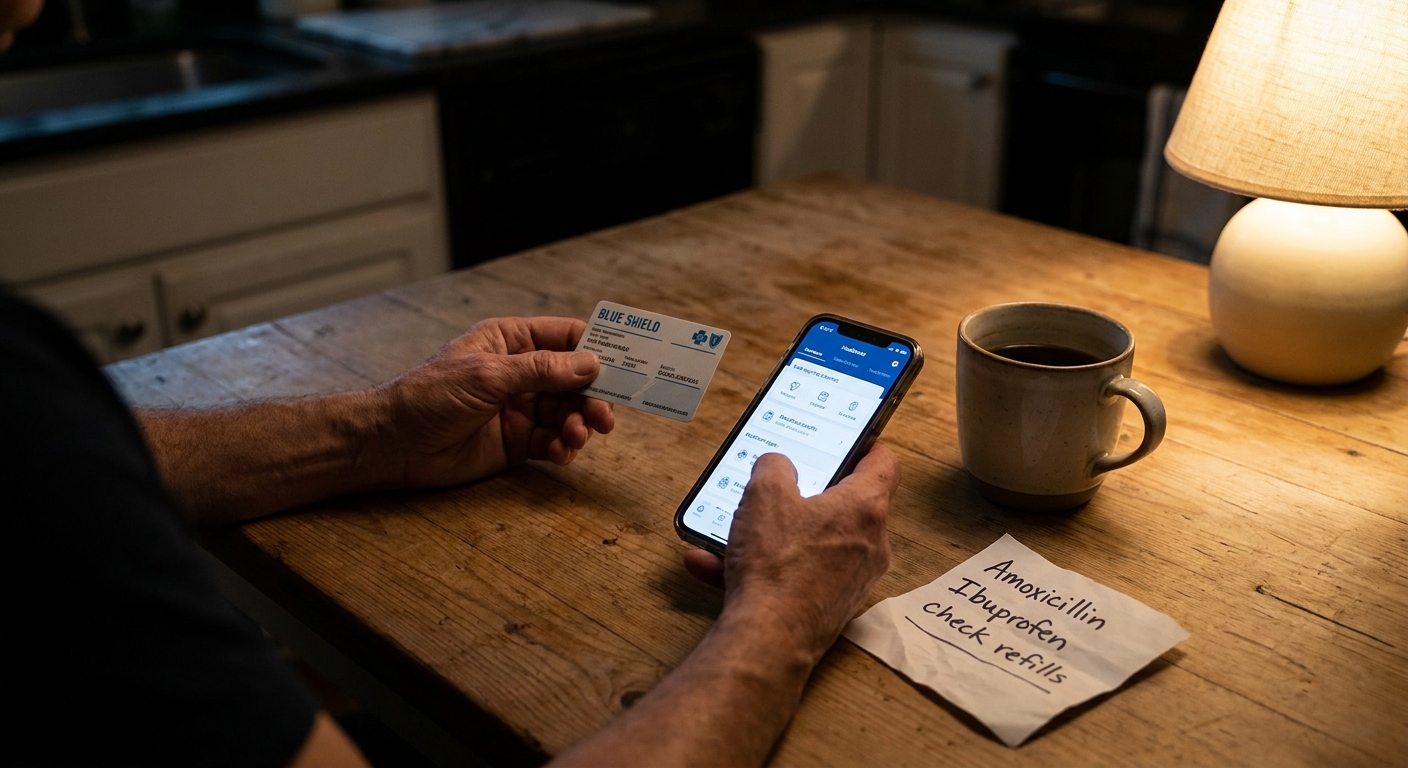
- Your plan’s provider directory: search the Anthem member website or app for substance use disorder or withdrawal management providers marked in-network.
- The member services number on the back of the card: ask for a list of in-network detox programs near you and whether prior authorization is required.
- FindTreatment.gov: SAMHSA’s free locator lets you filter facilities by location, type of care, and payment accepted.
- A doctor or hospital social worker: if your loved one is already in an emergency room or under a doctor’s care, ask them for a referral to in-network detox.
Whichever list you use, call to confirm network status for the exact plan on the card, because networks can change.
6. What Happens After the Call: Medical Necessity, Costs, and What to Do If Days Are Denied
Once the safety screening and the benefit check are done, the insurer decides how much care to approve based on medical necessity. Your share of the cost then depends on your plan’s deductible, copay, and coinsurance.
What Medical Necessity Means for BCBS Detox Coverage
Medical necessity means the insurer agrees that a certain level of care fits the person’s clinical needs. To decide, the plan reviews information such as which substances were used, how heavily, past withdrawal symptoms, other health conditions, and mental health concerns. Many plans require prior authorization, which means approval before admission or right at admission. Insurers often approve a set number of days and then review again as the stay goes on. This is why honest, detailed answers during the screening matter. They are the same facts an insurer will want to see, and they can help the team consider an appropriate level of care for your loved one.
How to Verify Your BCBS Benefits and Get Admitted to Detox
You do not have to sort this out alone. Here is the order it usually goes in:
- Check immediate safety first. If the person is unresponsive, struggling to breathe, having a seizure, or talking about harming themselves or someone else, call 911 or go to the nearest emergency room.
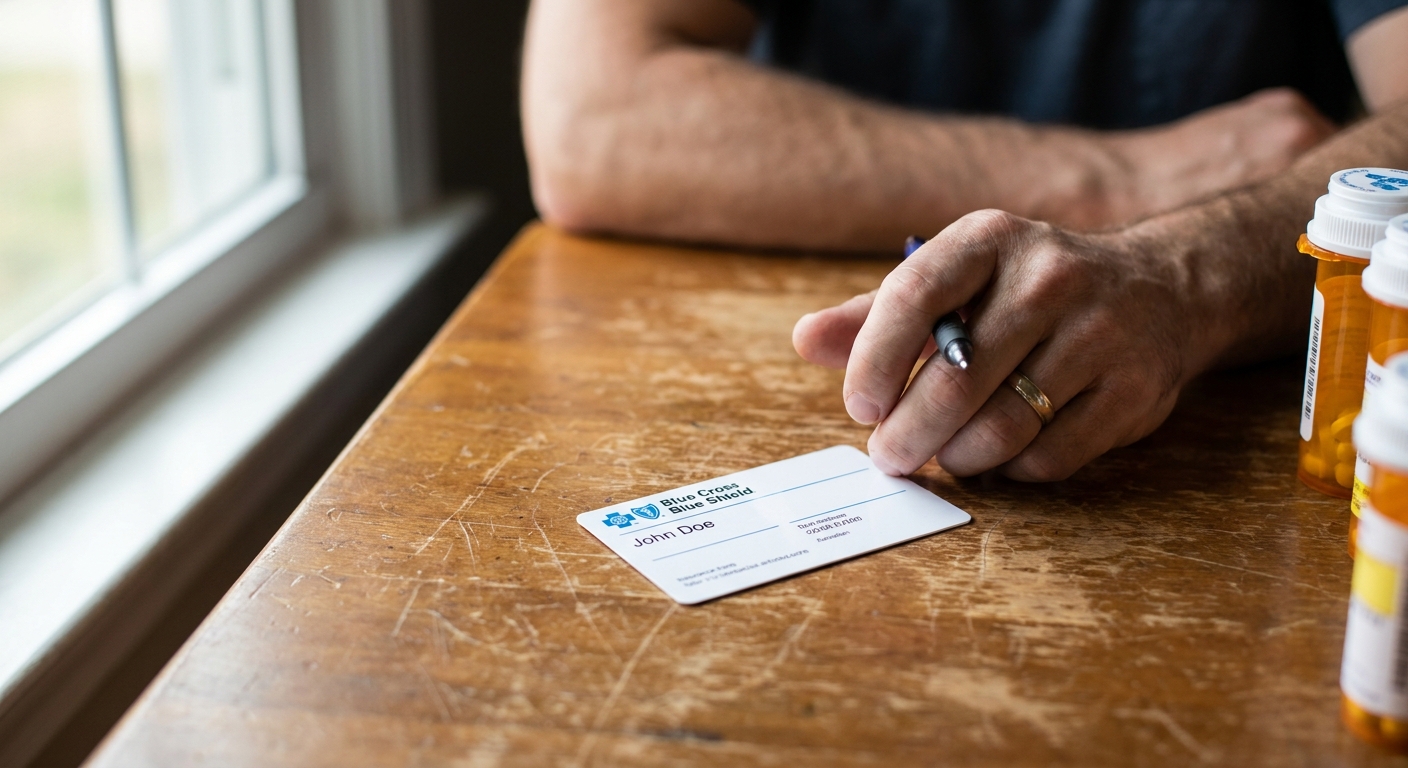
- Gather the basics. Find the insurance card and note the member ID, group number, the policyholder’s name, and your loved one’s date of birth. Write down what was used, how much, and when.
- Call New Hampshire Detox at 833-649-1053. The team will listen first, then walk through the safety screening with you.
- Let the team verify benefits. They check in-network status, the deductible, copay or coinsurance, and whether prior authorization is needed.
- Wait for the medical necessity review. The insurer reviews the clinical information and decides on a level of care and an initial number of days.
- Plan the admission. The team talks you through admissions and logistics.
How Much Does Detox Cost in NH With Insurance Versus Without?
Your actual cost depends entirely on your plan, so ask for your numbers during verification instead of guessing. This table shows what shapes the cost in each case:
| Cost factor | With in-network BCBS (Anthem Commercial) | Without insurance (private pay) |
|---|---|---|
| Deductible | You pay covered costs until your yearly deductible is met | Does not apply |
| Copay or coinsurance | A flat amount or a percentage of covered costs after the deductible | You pay the full cost of care |
| Out-of-pocket maximum | Caps what you pay for covered, in-network care in a plan year | No cap from a plan |
| Prior authorization | Often required before or at admission | Not required |
| Length of stay | Approved in blocks based on medical necessity reviews | Set by clinical need and your agreement with the facility |
| Who confirms your amount | The admissions team, through benefit verification | The admissions team, before admission |
New Hampshire Detox accepts private pay if insurance is not part of the picture.
Your Rights If BCBS Denies or Shortens a Stay
The law gives you some protection. The federal Mental Health Parity and Addiction Equity Act generally bars health plans that cover substance use disorder care from setting stricter limits on it than on medical and surgical care. The U.S. Department of Labor explains how parity applies to employer health plans, and marketplace plans must include substance use disorder services as an essential health benefit.
If the insurer denies days or shortens a stay, you still have options. Ask for the denial in writing along with the specific reason. A peer-to-peer review lets the treating provider speak directly with the insurer’s clinical reviewer to explain why more care is needed. You can also file an internal appeal with the plan. If that does not resolve it, you can request an external review by an independent reviewer. When a delay could put someone’s health at risk, ask whether the appeal can be expedited. A denial can be the start of a conversation rather than the end of one.
7. Where Does a Home-Like Detox in Bethlehem, NH Fit, and What If Detox Is Not the Right Level?
New Hampshire Detox offers residential, medically supported withdrawal management in a home-like setting instead of a hospital ward. If detox is not the right level for your loved one, the team helps you explore which level may be and works toward a handoff to it.
The two fears New Hampshire Detox hears most on calls are being sick in withdrawal and being too far from family and kids. A non-hospital, home-like setting is designed with both in mind. Withdrawal is managed with medical support, so your loved one is not facing it alone on a bathroom floor at home. The setting is meant to feel like a place where a person can rest, not a cold clinical unit. Because New Hampshire Detox is in Bethlehem, NH 03574, a New Hampshire resident can seek care without leaving the state.
The care is shaped around rebirth, regrowth, and renewal. Detox is the first step, not the whole plan. New Hampshire Detox offers detox, residential care, a partial hospitalization program (PHP), and Medication-Assisted Treatment. Its personalized recovery support is designed to help a person move from getting through the first hard days toward building a steadier routine. Every person’s experience is different, and no program can promise a particular result.
Sometimes what a person needs is something New Hampshire Detox does not provide. Intensive outpatient care, standard outpatient care, and sober living are not offered there, and if one of those may fit better, the team will tell you plainly. New Hampshire Detox acts as a personal treatment navigator. The team helps you understand the levels of care and what they do and do not offer. Then they work with their business development team toward a transition to the level of care that seems most appropriate. If you need to search for other care on your own, the free, confidential SAMHSA National Helpline offers treatment referrals around the clock. Either way, the goal is the same: to help you and your family know you aren’t alone.
The answer to which state has the worst drug problem will keep changing from one list to the next. What will not change is what you can do for your family tonight. Before you pick up the phone, write down three things: what was used, how much, and when it was last used. Keep the insurance card next to that note. Those answers can help the safety screening and the benefit check move forward more easily than any state ranking could. When you are ready, call New Hampshire Detox in Bethlehem, NH at 833-649-1053 to have your Blue Cross Blue Shield (Anthem Commercial) or other plan verified. If there is an emergency right now, call 911 or go to the nearest emergency room first.
Your Situation Matters More Than a State Ranking
Rankings can make a problem feel either far away or impossible to escape, but neither says much about what you or someone you love is facing right now. If substance use is worrying you, where your state lands on a list is not the question that counts. The team at New Hampshire Detox in Bethlehem, NH can talk with you about residential detoxification and what a first step might look like, so call the office when you’re ready to ask.
Insurance benefits, authorization decisions, and out-of-pocket costs vary by plan and are confirmed only through verification; individual experiences with treatment also vary. This article is general information and is not medical advice.