
Medicaid addiction treatment in Grafton County, New Hampshire is more accessible than most people realize, and understanding how coverage works is the first step toward getting care without the financial fear that keeps so many people waiting too long.
What medicaid covers for addiction treatment in new hampshire
The Affordable Care Act classified substance use disorder treatment as an essential health benefit, which means Medicaid plans cannot exclude it. According to SAMHSA’s 2023 National Survey on Drug Use and Health, Medicaid is the single largest payer for substance use disorder treatment in the United States, covering roughly 38% of adults in publicly funded treatment programs. In New Hampshire, that coverage is delivered through three managed care organizations: WellSense, AmeriHealth Caritas, and Granite State Health Plan. Each of these plans covers a full continuum of addiction care, from medically managed detox through residential rehabilitation, medication-assisted treatment, and outpatient services.
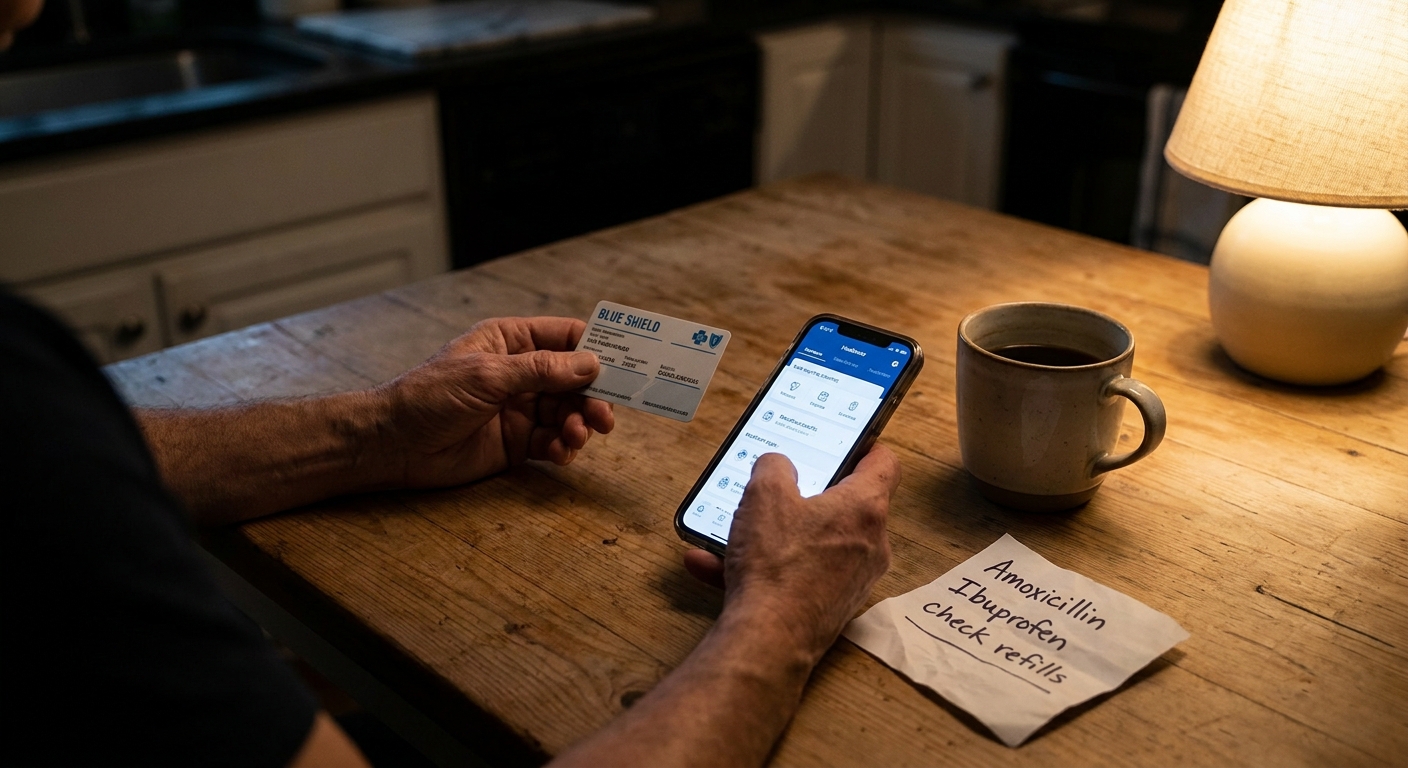
What this means in practice: holding an active NH Medicaid card removes cost as a barrier to entering treatment. The question shifts from “can I afford this?” to “which program is the right fit?”
Detox and medically managed withdrawal
Medically managed detox is a covered service under all three NH Medicaid managed care plans, and it is the appropriate clinical starting point for most people entering residential care. SAMHSA data consistently shows that unsupervised withdrawal from alcohol, benzodiazepines, and opioids carries real medical risk, including seizures and dangerous autonomic instability. Medical supervision during withdrawal is not a luxury tier of care. It is the standard of safety.
If you are in active withdrawal right now, this is the first call to make. A residential detox program can stabilize you medically before the deeper clinical work of rehabilitation begins.
Residential rehabilitation
Residential treatment means 24-hour structured care: clinical programming during the day, peer support throughout, and a controlled environment that separates you from the triggers and relationships that fuel active addiction. According to the American Society of Addiction Medicine (ASAM), people with moderate-to-severe opioid use disorder who complete residential treatment demonstrate significantly better long-term outcomes than those who begin with outpatient care alone, particularly in the first 90 days of recovery.
NH Medicaid covers residential rehab when it meets medical necessity criteria. That determination is made by your clinical team in coordination with your managed care organization, not by a fixed calendar. What this means in practice is that you can access round-the-clock clinical support without receiving a bill for the full cost of residential care.
Medication-assisted treatment (MAT)
FDA-approved medications for opioid and alcohol use disorder include buprenorphine, methadone, and naltrexone. NH Medicaid covers all three. A landmark 2020 study published in the New England Journal of Medicine found that extended-release naltrexone and buprenorphine-naloxone were comparably effective at reducing opioid use when treatment was initiated properly, and both dramatically reduced overdose risk compared to no medication. NIDA research consistently shows MAT cuts overdose mortality by 50% or more when combined with behavioral treatment.
The New Hampshire State Opioid Treatment Program coordinates methadone clinic access across the state. At intake, ask your provider specifically which MAT options are available and whether they can be continued through the step-down phases of your care.
Outpatient and intensive outpatient programs
Intensive outpatient programs (IOP) typically involve nine or more hours of structured programming per week, while standard outpatient operates at fewer contact hours with more flexibility for work and family obligations. Both levels are defined by ASAM criteria and both are covered under NH Medicaid, either as a step-down after residential treatment or as a standalone starting point for people whose clinical picture does not require 24-hour care.
Before you leave a residential program, use the NH DHHS treatment locator to identify Grafton County outpatient providers so your step-down plan is in place before your discharge date, not after.
NH medicaid eligibility requirements
New Hampshire expanded Medicaid under the ACA in 2014. As of 2024, NH DHHS reports more than 100,000 New Hampshire residents enrolled in the expansion program. The eligibility threshold is straightforward: if your income falls at or below 138% of the federal poverty level, you qualify. For a single adult, that is roughly $20,783 per year in 2024 dollars.
Categorical eligibility also extends to people who qualify through disability, pregnancy, or other specific circumstances regardless of income. One pattern worth knowing: a significant number of adults discover they are Medicaid-eligible only when they are already seeking addiction treatment. If you have been uninsured and have not checked eligibility recently, there is a real chance coverage is available to you right now.
How to apply before or during treatment
You can apply for NH Medicaid through the NH Easy online portal, in person at the Grafton County DHHS office in North Haverhill, or with the help of a treatment facility’s financial counselor or admissions team. In crisis situations, expedited eligibility determinations are available, and same-day approvals are possible when the clinical need is acute.
The most practical move: contact the admissions team at the facility you are considering and ask them to help initiate your Medicaid application before your first treatment day. This is a routine part of the admissions process at facilities that genuinely serve Medicaid members. For anyone weighing their options around Bethlehem or the northern part of the county, the details of how coverage works at a Medicaid-accepting residential program nearby are worth reviewing alongside this guide.
How to use medicaid for addiction treatment in grafton county
Finding an in-network provider is the first practical step. Each NH Medicaid managed care organization maintains its own provider directory, and the facility you choose must be credentialed with your specific plan. Residential levels of care typically require prior authorization, meaning your MCO reviews medical necessity documentation before approving an inpatient admission.
The move that works is calling the facility’s admissions line first. A facility experienced in Medicaid admissions will verify your benefits, confirm in-network status with your specific plan (WellSense, AmeriHealth Caritas, or Granite State Health Plan), and manage the prior authorization process on your behalf. You do not navigate this alone. For a closer look at how coverage is verified and what the approval process involves, understanding what NH Medicaid covers for residential care gives you a useful starting framework.
What the prior authorization process looks like
Prior authorization for residential addiction treatment requires your clinical team to submit documentation of medical necessity: diagnosis, clinical severity, prior treatment history, and the rationale for the level of care requested. According to SAMHSA and NH Insurance Department guidance, if a prior auth request is denied, you have the right to a formal appeal, and coverage must continue during the appeals process if you are already admitted.
Request a written explanation of benefits from your MCO before admission. That document tells you exactly what has been approved, for how long, and what the extension process looks like if your clinical team determines a longer stay is warranted.
Addiction treatment options in grafton county, NH
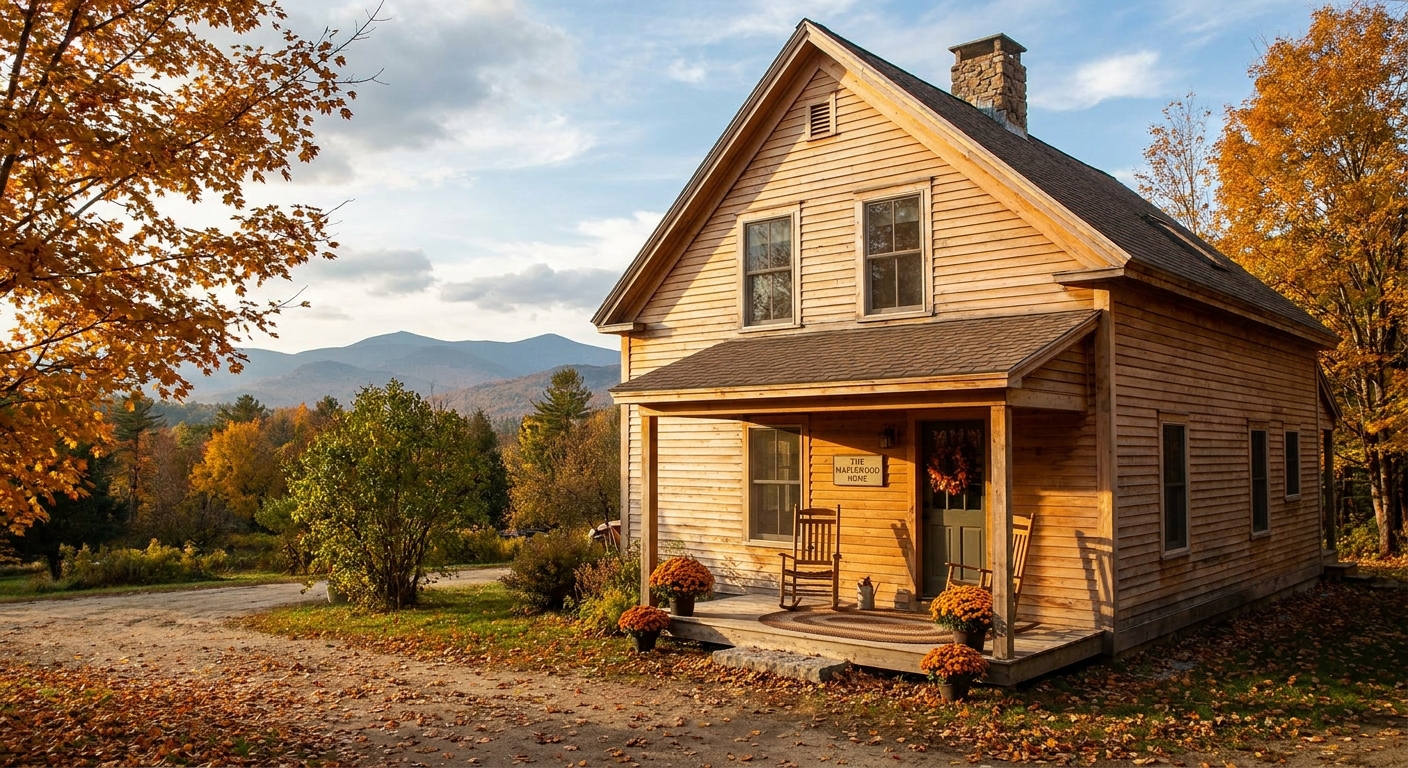
Grafton County sits in the White Mountains region of northern New Hampshire, a largely rural landscape where Plymouth serves as the county’s primary medical hub. Rural geography creates real access challenges: fewer providers, longer travel distances, and thinner community infrastructure for people in early recovery. A 2023 SAMHSA report on rural substance use disorder treatment gaps found that rural New England counties have roughly half the per-capita treatment capacity of urban areas, even controlling for population differences.
That gap has practical consequences, but it does not mean treatment is unavailable. Residential facilities in and accessible from Grafton County draw clients from across New Hampshire precisely because the residential model removes geography as an obstacle for the duration of treatment.
Residential and detox programs
Residential detox programs in the region serve as a destination for New Hampshire residents statewide. The structured, immersive environment is a feature, not just a logistical reality. NIDA research on residential treatment outcomes identifies geographic distance from home as a recovery-protective factor: physical separation from familiar triggers, using environments, and social networks associated with active addiction supports the early stabilization process.
New Hampshire Detox Center accepts NH Medicaid through all three of the state’s managed care plans: WellSense, AmeriHealth Caritas, and Granite State Health Plan. That is a genuine differentiator. Many private-pay and commercially focused residential facilities do not accept Medicaid, which means Medicaid members often exhaust their options before finding a residential detox program that will actually admit them under their coverage. If you hold coverage through any of those three plans, confirm in-network status with the admissions team on your first call.
Consider whether a residential program outside your immediate community strengthens your early recovery rather than complicating it. For most people with moderate-to-severe addiction, the answer is yes.
Outpatient programs in grafton county
For step-down care after residential treatment, Grafton County has several outpatient options. MidState Health Center RISE Recovery Services in Plymouth offers outpatient addiction treatment with cognitive behavioral therapy and MAT integration, and serves people who are deaf or hard of hearing. Plymouth House provides recovery support services in the Plymouth area. Groups Recover Together operates MAT-focused outpatient clinics, with the nearest location in Laconia, which serves as a realistic step-down option for many Grafton County residents.
Outpatient is the appropriate next chapter after residential, not a lesser alternative to it. The continuum of care model is intentional: residential stabilizes, outpatient sustains. Choosing one level of care does not mean forfeiting the other.
Telehealth and community-based support
A 2022 study published in JAMA Psychiatry examined telehealth buprenorphine prescribing across rural settings following the 2020 expansion of remote prescribing authority. The study found that rural patients receiving telehealth MAT had comparable retention rates to those seen in-person, with meaningfully better access in counties with few or no in-person prescribers. NH Medicaid covers telehealth behavioral health services, including MAT follow-up visits.
If in-person appointments are logistically difficult after you leave residential care, ask your provider about telehealth MAT follow-up before your discharge date. Setting this up before you leave is far more effective than trying to initiate it during the first stressful weeks at home. Depending on your managed care plan, how AmeriHealth Caritas structures its behavioral health telehealth benefits may be relevant to your specific step-down plan.
The cost of medicaid addiction treatment in NH
For people with active NH Medicaid coverage, out-of-pocket costs for covered addiction treatment are minimal to zero. KFF analysis of Medicaid cost-sharing protections shows that Medicaid enrollees face nominal or no copays for most services, and under federal law, copays cannot be used as a condition of receiving emergency or crisis care. If a provider attempts to deny you admission because you cannot pay a copay upfront, that is not compliant with Medicaid rules.
What this means in practice: financial hardship is not a reason to delay treatment. Coverage exists. The obligation now is to use it.
NH medicaid FAQs for addiction treatment
Does medicaid cover long-term residential treatment?
Yes. NH Medicaid covers residential treatment when it is medically necessary, and length of stay is determined by clinical criteria, not a fixed number of days. CMS and ASAM guidance both confirm that medical necessity determinations drive length of stay, not arbitrary calendar limits. Work with your clinical team to document medical necessity thoroughly from day one. Strong clinical documentation is the foundation of any length-of-stay extension request.
Does NH medicaid cover both alcohol and drug treatment?
Yes. Both alcohol use disorder and drug use disorder are covered under NH Medicaid. The Mental Health Parity and Addiction Equity Act requires that substance use disorder benefits be no more restrictive than comparable medical benefits, and the ACA’s essential health benefit mandate applies to both alcohol and drug treatment without distinction. Do not self-screen out based on substance type.
Can you choose your own treatment facility?
You must use an in-network provider under your NH Medicaid managed care plan, but networks include multiple facility types across the state, not just providers in your immediate county. Out-of-network admissions are possible with prior authorization in specific circumstances. Call your MCO member services line to confirm that a specific facility is in-network before admission, and ask the facility’s admissions team to help verify this on your first call.
What happens if medicaid is denied mid-treatment?
You have the right to appeal a denial, and NH Insurance Department guidance establishes continuity of care protections during the appeals process. If your MCO denies a continued stay authorization, your treatment facility’s billing team files the appeal. This is a standard part of operations at facilities experienced with Medicaid admissions. Ask the billing team to initiate the appeal immediately and to keep you informed of the status.
Is MAT covered under all three NH medicaid plans?
Yes. WellSense, AmeriHealth Caritas, and Granite State Health Plan all cover FDA-approved MAT medications, including buprenorphine, methadone, and naltrexone. Coverage for specific formulations and prescribing authority may vary slightly by plan, so confirm the details of your MAT coverage with your MCO during the admissions process. For a plan-specific breakdown, how WellSense structures its rehab and MAT benefits is a useful reference.
One call changes the timeline
The single biggest barrier between most people and addiction treatment is not eligibility, and it is not coverage gaps. It is the assumption that navigating insurance is too complicated to start. It is not. Call an admissions line at a Medicaid-accepting facility in Grafton County, confirm your plan is in-network, and let the admissions team walk you through the authorization process. That call takes less than fifteen minutes and removes every procedural obstacle in a single step. Make it today.