
Men seeking addiction treatment in New Hampshire face a decision that will shape their recovery for years, and one of the most consequential choices is whether to enter a program built specifically for them. Men’s addiction treatment in Bethlehem, New Hampshire represents a genuinely different approach, not just a rebranded general program, but a structured residential track designed around how men experience addiction, trauma, and recovery.
Why men need gender-specific addiction treatment
A 2021 study published in the Journal of Substance Abuse Treatment analyzed outcomes for 1,200 participants across mixed-gender and single-gender residential programs. Men in gender-specific programs completed treatment at rates 18% higher than men in mixed-gender settings, and reported significantly lower rates of early discharge within the first 30 days.
The reasons are rooted in biology and behavior. Men metabolize alcohol differently than women, experience higher rates of externalizing disorders like antisocial behavior alongside addiction, and are far less likely to disclose trauma or emotional distress in group settings where women are present. A 2022 SAMHSA report on gender and substance use found that men account for 63% of people with a substance use disorder in the U.S., yet consistently underutilize treatment, partly because standard program designs don’t fit how men communicate or build trust.
What this means in practice: a men’s-only program removes a social dynamic that keeps many men guarded. Honest group work becomes possible when the room is built for it. The concrete action here is simple. When evaluating any program, ask directly whether the men’s track is a fully separate program or simply co-ed care with a gender label attached. The answer tells you everything.
What men’s residential treatment in bethlehem actually involves
Residential treatment is not a hospital stay. It’s a structured daily environment where every hour is intentional, and the progression from detox to therapeutic programming follows a clinical logic. Understanding that structure, before you make a call, helps you evaluate whether a facility is serious or just filling beds.
Medical detox: the first step before real treatment begins
Detox is a medical event, not a motivational one. According to SAMHSA’s 2023 Treatment Episode Data Set, alcohol withdrawal accounts for a significant share of medically serious presentations in residential admissions, and opioid withdrawal, while rarely fatal on its own, carries high relapse risk when unmanaged. A man entering residential care in Bethlehem should expect 24/7 medical monitoring, medication-assisted stabilization (buprenorphine for opioids, benzodiazepines for alcohol where indicated), and clinical oversight during the stabilization window before formal programming begins.
The action here: when you call admissions, ask specifically whether the facility has physicians on-site or on-call around the clock, and what medication protocols are available during detox. A facility that cannot answer that question clearly is not equipped for medically managed withdrawal.
Residential programming: structure that builds recovery
After medical stabilization, the real work begins. A 2020 study in Drug and Alcohol Dependence followed 850 men through residential treatment and found that programs incorporating individual therapy, structured group sessions, and at least one evidence-based modality (CBT, DBT, or trauma-informed care) showed retention rates 34% higher than programs relying primarily on peer support and 12-step attendance alone.
Men’s residential programming at a facility like New Hampshire Detox Center integrates individual therapy, gender-specific group sessions, and evidence-based modalities in a daily schedule that removes the ambiguity of unstructured time. The question to ask any program: which specific evidence-based therapies are delivered by licensed clinicians, and how many individual therapy sessions per week does each resident receive? Frequency matters as much as format.
Co-occurring mental health conditions in men with addiction
A 2022 national survey by the Substance Abuse and Mental Health Services Administration found that 52% of men in residential addiction treatment met criteria for at least one co-occurring mental health disorder, with depression, PTSD, and generalized anxiety accounting for the majority. For men, these conditions often go undiagnosed precisely because the substance use masks the symptoms, and because men are less likely to report psychological distress during intake.
Untreated co-occurring disorders are the most reliable predictor of post-treatment relapse. A man who completes a 28-day residential program without his depression or trauma being addressed leaves with the same underlying conditions that drove his use. Dual diagnosis treatment in a men’s residential setting means both conditions are assessed at intake and treated concurrently, not sequentially.
If you’re evaluating programs across the state, ask this specific question during your first call: does the facility conduct a formal psychiatric evaluation within 72 hours of admission, and is there a licensed psychiatrist available to prescribe and manage mental health medications on-site? A yes to both is the floor for adequate dual diagnosis care.
How to choose a men’s addiction treatment program in bethlehem, NH
A 2019 analysis by the National Institute on Drug Abuse examined outcome data across 400 residential programs and identified accreditation status, staff credentials, and the presence of structured aftercare planning as the three variables most strongly correlated with sustained recovery at 12 months. These aren’t marketing criteria. They’re the structural features that separate facilities built for outcomes from those built for volume.
Verify accreditation and licensing
Joint Commission or CARF accreditation means an independent body has reviewed the facility’s clinical protocols, safety standards, and staff qualifications against nationally recognized benchmarks. It’s the floor, not the ceiling, but facilities that don’t meet it are operating without external accountability. In New Hampshire, residential substance use disorder programs are licensed through the NH Department of Health and Human Services Bureau of Drug and Alcohol Services. You can verify a facility’s current license status directly on the DHHS website before you make a single call.
Confirm insurance coverage before admission
According to a 2023 KFF analysis, unresolved insurance questions are among the top reasons men delay or abandon the admission process entirely. New Hampshire Detox Center works with major commercial insurers including Aetna, Anthem, Cigna, Harvard Pilgrim, and Tufts, as well as Tricare for veterans and active-duty service members. NH Medicaid members covered through WellSense, AmeriHealth Caritas, or the Granite State Health Plan are also served.
When you call admissions, say this: “I’d like to verify my benefits before we talk about anything else. Can your team run a benefits check on my insurance and tell me what my out-of-pocket responsibility looks like?” A competent admissions team does this in minutes. If a facility pushes you past this question, that’s a signal worth noting.
Evaluate staff credentials and patient-to-staff ratios
A 2018 study in the Journal of Addiction Medicine found that facilities with lower patient-to-staff ratios and higher proportions of licensed clinicians produced measurably better 90-day outcomes, independent of program length. For men’s residential care specifically, the combination of licensed clinical staff and peer recovery coaches, people with their own lived recovery experience, tends to create the trust dynamic that keeps men engaged.
Ask two questions: what percentage of clinical staff hold state licensure in counseling or social work, and what is the typical caseload per primary therapist? A caseload above 10 to 12 active clients per therapist starts to erode the quality of individual care.
Ask about aftercare and continuing care planning
A 2020 study in Addiction journal tracked 600 men for 18 months following residential discharge. Men who received a structured continuing care plan, including step-down to outpatient services, recovery housing referrals, and scheduled follow-up contacts, were 40% less likely to relapse in the first six months compared to men discharged with only a referral list.
Aftercare is not an administrative formality. It’s where recovery either holds or breaks. Ask any program to describe their discharge planning process in detail, and request that the aftercare plan be provided in writing before you formally commit to admission. Programs confident in their outcomes don’t hesitate to show their work.
For those comparing options across Grafton County, aftercare coordination with local outpatient providers and recovery housing networks is a practical differentiator worth weighing carefully.
What to expect from location: why bethlehem, NH works for recovery
A 2019 study published in Health and Place examined treatment engagement across 14 rural and urban residential programs and found that participants in rural, nature-adjacent settings reported lower perceived stress scores at 30 days and higher program completion rates than those in urban facilities, even after controlling for program quality variables.
Bethlehem’s position in the White Mountains provides distance from the people, environments, and routines associated with active use, which is a clinical advantage, not just a selling point. The geography also supports therapeutic outdoor activities that reduce cortisol and improve mood regulation during early recovery. Practically, Bethlehem is accessible from Manchester, Concord, and the Seacoast region, making family involvement visits feasible without being so close that early recovery is easily interrupted.
When narrowing down program options in New Hampshire, use location as a filter by asking yourself honestly whether proximity to your home environment in the first 30 days is an asset or a risk.
Getting started: how to take the next step this week
SAMHSA’s 2023 data shows that addiction severity increases measurably with each month of delayed treatment entry, and that the window between when a person recognizes the problem and when they act on it is the highest-risk period for serious medical events and overdose. Waiting for the right moment is not a neutral choice.
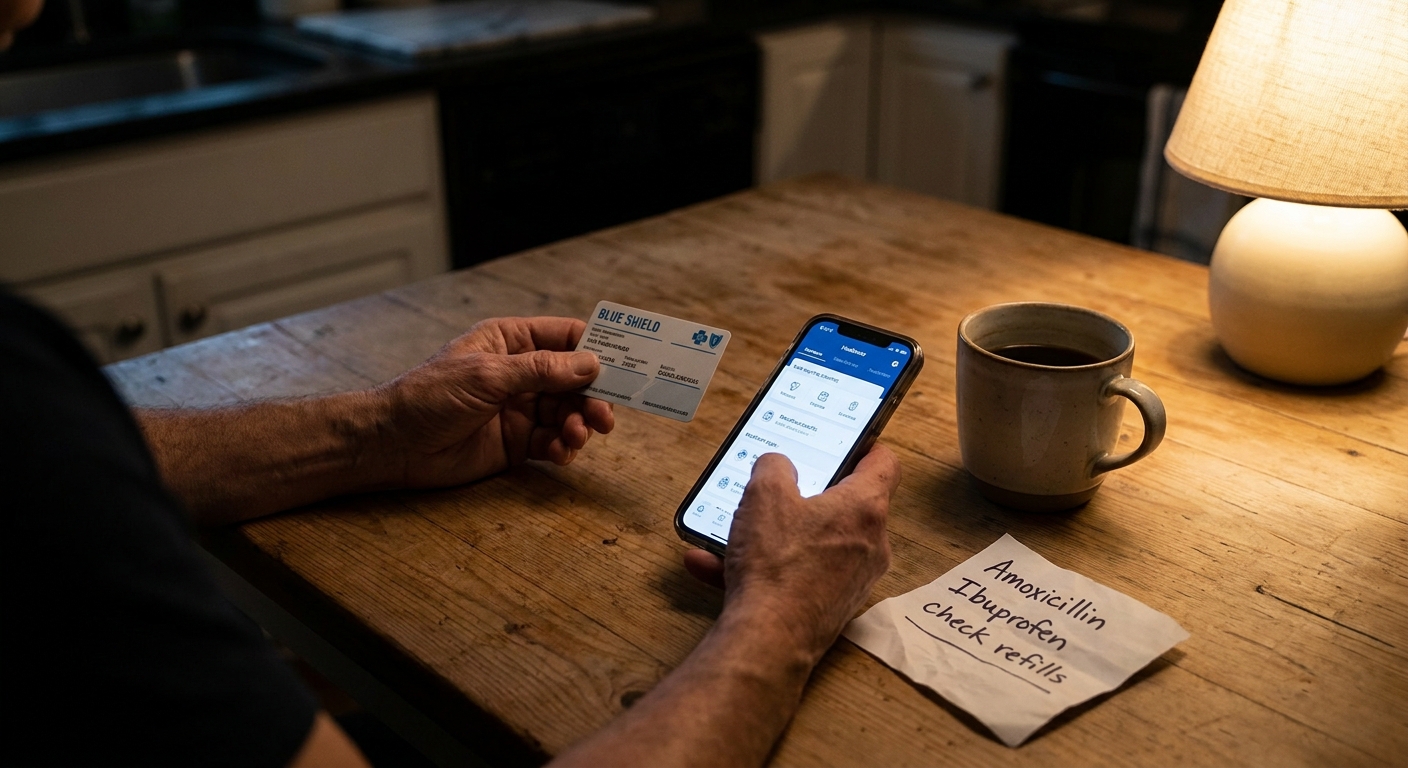
The move that works: call admissions today, have your insurance card ready, and ask for a benefits verification and a clinical intake assessment. Those two steps tell you what a program can offer and whether your coverage applies. Everything else, deciding on length of stay, evaluating aftercare, confirming the men’s-only structure, follows from that first conversation.
Frequently asked questions
What makes a men’s-only addiction treatment program different from a co-ed program?
Men’s-only programs remove the social dynamics that keep many men guarded in group therapy. They’re structured around how men communicate, process trauma, and build peer trust. The clinical difference shows up in engagement and completion rates, not just comfort. When a program’s men’s and women’s tracks are genuinely separate, rather than co-ed care with a label, the therapeutic environment is fundamentally different.
Does new hampshire detox center in bethlehem offer medical detox for men?
Yes. Medical detox is the first phase of residential care, providing 24/7 monitoring and medication-assisted stabilization before formal programming begins. For alcohol and opioid withdrawal specifically, medically supervised detox is a safety necessity, not an optional add-on.
What insurance is accepted for men’s residential treatment in bethlehem, NH?
New Hampshire Detox Center accepts major commercial plans including Aetna, Anthem, Cigna, Harvard Pilgrim, and Tufts, along with Tricare for military members and veterans. NH Medicaid members covered through WellSense, AmeriHealth Caritas, and the Granite State Health Plan are also eligible. Call admissions with your insurance card to run a benefits verification before committing.
How long does men’s residential treatment in bethlehem typically last?
Most residential programs run between 28 and 90 days depending on clinical need, substance type, and the presence of co-occurring mental health conditions. Length of stay should be determined by a clinical assessment at intake, not by a standard package. Programs that offer only a fixed-length option without clinical flexibility are worth scrutinizing.
What should I ask when I first call a men’s treatment program?
Four questions cover the essentials: Can you verify my insurance benefits today? Is your men’s program a fully separate track from women’s programming? Do you have licensed medical staff on-site for detox? And what does your discharge and aftercare planning process look like? The quality of those answers is a reliable signal of overall program quality.
Can family members be involved during residential men’s treatment in bethlehem?
Yes, and family involvement during residential care is associated with better long-term outcomes. Bethlehem’s location in northern New Hampshire is accessible from major population centers across the state, making family therapy sessions and visits logistically realistic. Ask the admissions team about the family program structure, including how sessions are scheduled and what the clinical approach to family involvement looks like.