
New Hampshire Medicaid covers addiction treatment at every level of care, from medically supervised detox through residential rehab and outpatient follow-up, and the benefit is far more complete than most people realize. If you’re trying to understand what new hampshire medicaid rehab actually includes, how to confirm your eligibility, and what steps move you from inquiry to admission, this article walks through all of it in plain language.
What new hampshire medicaid covers for addiction treatment
New Hampshire Medicaid’s substance use disorder benefit is not a stripped-down version of coverage. It includes the full continuum of care, from detox and residential treatment to outpatient programs and medication-assisted treatment. According to SAMHSA, Medicaid finances more than a third of all publicly supported addiction treatment in the United States, making it the single largest payer of SUD services nationally.
In New Hampshire, Medicaid coverage is administered through three managed care organizations: WellSense Health Plan, AmeriHealth Caritas New Hampshire, and Granite State Health Plan. Each MCO contracts with its own network of providers and manages prior authorization for covered services. Your MCO is the most important variable in navigating treatment access, because it determines which facilities are in-network and what the authorization process looks like for your specific plan.
Detox and medically managed withdrawal
Medically supervised detox is a covered benefit under New Hampshire Medicaid when medical necessity criteria are met. The National Institute on Drug Abuse notes that withdrawal from alcohol, benzodiazepines, and opioids carries serious physical risks, including seizure and cardiac complications, that make unsupervised detox genuinely dangerous for many people. Residential detox qualifies for Medicaid coverage when a clinician determines that you need 24-hour medical monitoring during withdrawal.
“Medical necessity” in plain terms means that your clinical presentation, substance use history, and withdrawal risk are significant enough that a lower level of care would not be safe. Intake screening at a Medicaid-accepting detox facility is what triggers that determination. The facility’s admissions team conducts the assessment and documents it for the MCO, so you don’t need to make that clinical argument yourself.
Residential treatment
Residential rehabilitation is covered under New Hampshire Medicaid when ASAM criteria support that level of care. ASAM, the American Society of Addiction Medicine, provides the clinical framework most MCOs use to evaluate placement decisions. Residential treatment is appropriate when someone needs structured, around-the-clock support beyond what detox alone provides.
Prior authorization is required for residential treatment, and in practice, the facility handles this on your behalf. The admissions team submits clinical documentation to your MCO, the MCO reviews it against ASAM criteria, and authorization is issued before admission or concurrent with it in urgent cases.
Outpatient and intensive outpatient programs
Intensive outpatient programs (IOP) and standard outpatient services are also covered NH Medicaid benefits. These are most commonly used as step-down levels after residential care, allowing continued structured treatment while returning to daily life. A 2020 SAMHSA report on treatment episode data found that continuity across levels of care, specifically the transition from residential to outpatient, is associated with significantly better long-term recovery outcomes compared to single-episode treatment.
The practical implication: if residential isn’t immediately available, IOP is a legitimate covered bridge, not a compromise. It is evidence-based, Medicaid-covered, and better than waiting without support.
Medication-assisted treatment
Buprenorphine, naltrexone, and methadone are all covered under New Hampshire Medicaid for opioid use disorder. A 2021 study published in the New England Journal of Medicine found that buprenorphine and extended-release naltrexone each reduced opioid use and overdose risk significantly compared to no pharmacotherapy, with both medications roughly doubling treatment retention. Methadone for opioid use disorder is covered when dispensed through a licensed opioid treatment program (OTP).
Ask your provider directly whether MAT is part of your treatment plan. It is evidence-based, it is covered, and for many people it is the component most directly linked to staying alive during early recovery.
Who qualifies for new hampshire medicaid
New Hampshire expanded Medicaid under the Affordable Care Act, which means most adults with household income at or below 138 percent of the federal poverty level qualify. For a single adult in 2024, that threshold is roughly $20,120 annually. You must be a New Hampshire resident and a U.S. citizen or qualified immigrant. The behavioral health benefit, including the SUD benefit, is included in standard Medicaid coverage. There is no separate application for addiction treatment coverage.
The authoritative source for current income limits and eligibility categories is DHHS.nh.gov. Eligibility rules can shift with federal and state policy, so checking directly with DHHS is the most reliable way to confirm current thresholds.
How to check your eligibility
There are two straightforward paths to checking eligibility. The first is NH EASY, the state’s online benefits portal at nheasy.nh.gov, where you can complete an application in under 30 minutes with your ID, proof of income, and proof of New Hampshire residency on hand. The second is calling the DHHS Benefits Service Center directly at 1-800-852-3345. Both paths reach the same determination process.
If you’re in a moment of crisis, don’t let the application feel like an obstacle. Many Medicaid-accepting facilities have staff who assist with the enrollment process as part of intake.
If you’re already enrolled: identifying your MCO
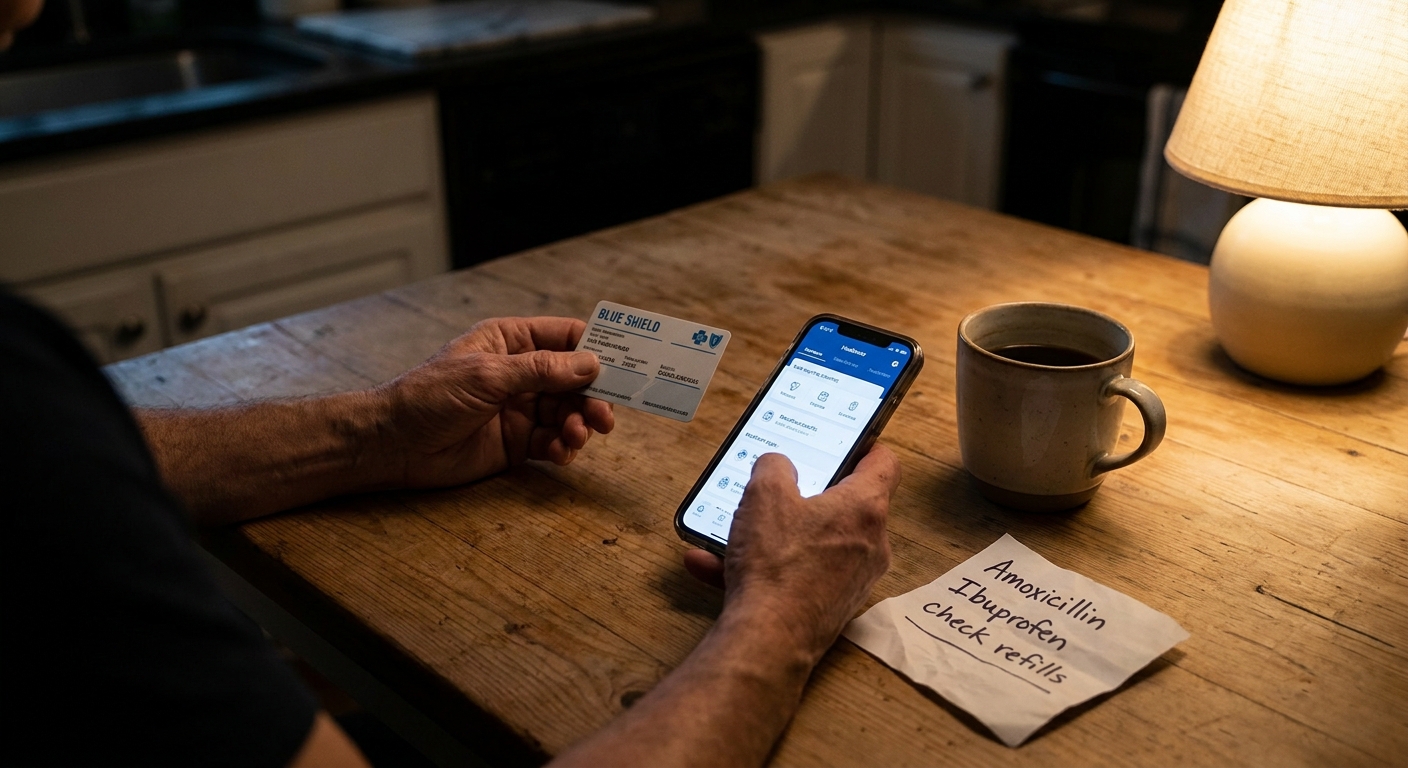
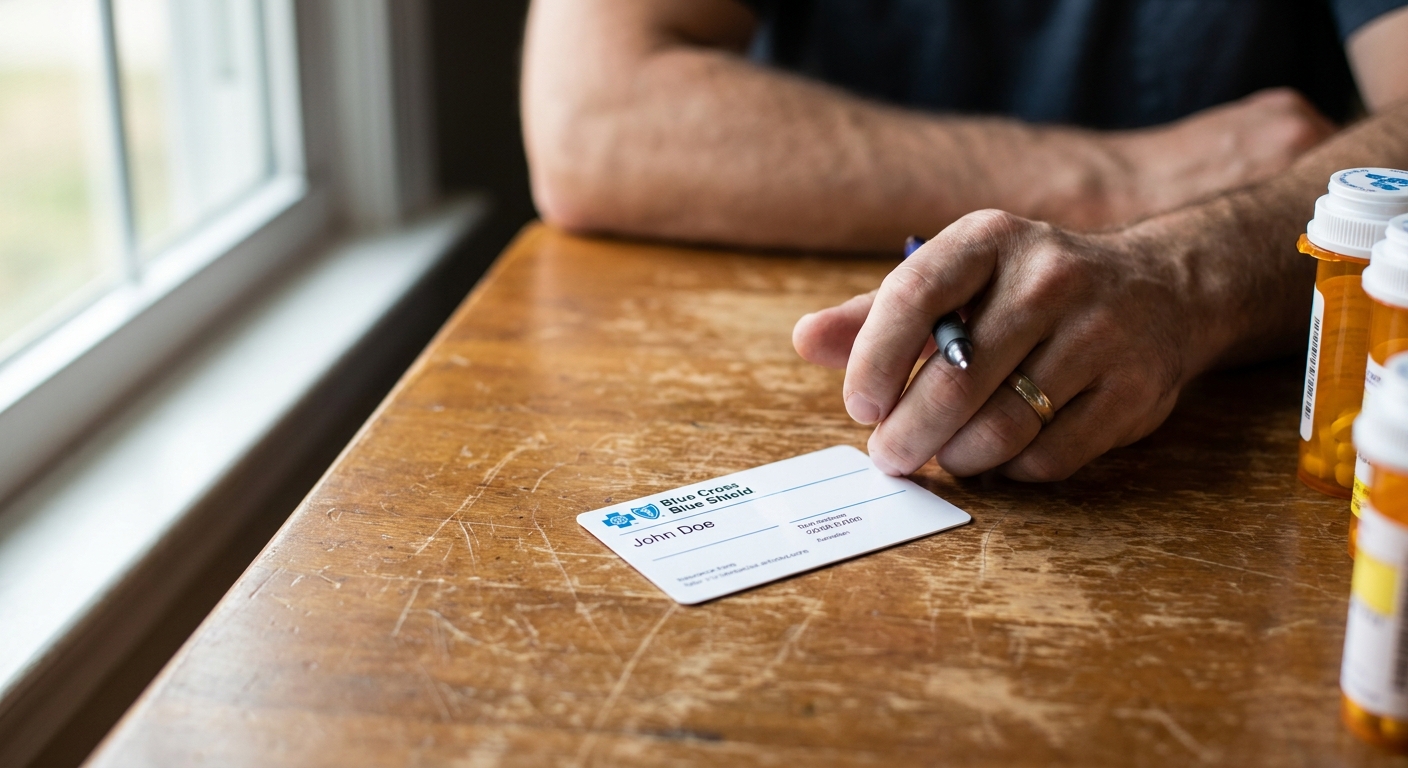
If you’re already enrolled in NH Medicaid, you’re assigned to one of the three MCOs. Your MCO card shows which plan you’re on. If you don’t have the card or aren’t sure, calling DHHS member services at 1-800-852-3345 confirms it quickly.
This matters because each MCO has its own network and prior authorization process. Knowing your MCO before you call a treatment facility lets the admissions team verify in-network status immediately, which speeds up the authorization process. For a closer look at how one of the plans works specifically, how WellSense handles rehab coverage in New Hampshire is worth reading if WellSense is your plan.
How to use NH medicaid to access rehab
The process is more straightforward than most people expect. Confirm eligibility, identify your MCO, call a Medicaid-accepting facility, complete the intake assessment, and the facility handles prior authorization with your MCO. Treatment begins once authorization is issued. A 2022 SAMHSA report identified administrative complexity as one of the primary reasons people don’t enter treatment after deciding they want it. Knowing the sequence in advance removes that barrier.
New Hampshire Detox Center accepts New Hampshire Medicaid through all three managed care plans: WellSense, AmeriHealth Caritas New Hampshire, and Granite State Health Plan. That breadth of Medicaid acceptance is not standard across residential detox providers in the state, and it means the admissions team has direct experience navigating each MCO’s process. For people weighing options in northern New Hampshire, Medicaid-covered treatment options in Grafton County provides additional context on local access.
What to expect during the intake and authorization process
The intake call is a clinical conversation, not a bureaucratic screening. A clinician or admissions counselor asks about your substance use history, current withdrawal risk, and medical needs to determine what level of care fits your situation. That information forms the basis of the prior authorization request the facility submits to your MCO.
For urgent cases, MCOs are generally required to issue a prior authorization decision within 24 to 72 hours. If authorization is denied, you have the right to appeal, and the facility can support that process. A denial is not the end of the road. Request a written denial letter from your MCO immediately, which is required by law and starts the appeal clock. Internal appeals go to the MCO, external appeals go to an independent reviewer, and administrative hearings are available through DHHS if needed.
Traveling to treatment: what out-of-area coverage looks like
Many New Hampshire residents travel for residential detox, particularly from rural parts of the state like Grafton County and the White Mountains region, where local options are limited. NH Medicaid coverage travels with you anywhere within New Hampshire. A facility in another part of the state that accepts your MCO is in-network for you.
Out-of-state coverage is a different situation. It is limited under NH Medicaid and typically requires prior approval. When calling a facility outside your immediate area, ask the admissions team to verify your MCO’s network status before completing intake.
What medicaid does not cover, and what to do about it
Medicaid does not cover private rooms, luxury amenities, or holistic add-ons that fall outside the clinical scope of SUD treatment. Some high-demand residential programs maintain waitlists. The 2023 SAMHSA National Survey on Drug Use and Health found that approximately 10 percent of people who felt they needed treatment but didn’t receive it cited cost or insurance as the primary barrier, a figure that reflects both coverage gaps and lack of awareness about existing benefits.
Understanding what Medicaid covers and where the gaps are means you can plan rather than be surprised. If a specific facility offers services outside Medicaid’s scope, ask about sliding-scale fees or whether certain components can be billed separately. Combining Medicaid with other funding sources is possible in some situations.
Recovery support services covered under NH medicaid
NH DHHS frames recovery around four pillars: home, health, purpose, and community. That framework shapes how recovery support services are structured and funded. Peer recovery support services (PRSS) are a covered Medicaid benefit in New Hampshire, meaning certified recovery support workers (CRSWs) can bill Medicaid directly for the services they provide. A 2020 study published in the Journal of Substance Abuse Treatment found that peer support participation was associated with a 21 percent increase in treatment retention and reduced rates of relapse at six-month follow-up.
The practical step: ask your treatment facility whether peer recovery support is built into the discharge plan. It should be, and it is covered.
Recovery housing
Recovery housing, meaning sober living, is not a direct Medicaid benefit. Medicaid does not pay for room and board. But New Hampshire maintains a network of recovery housing options connected to CRSW-supported wraparound services, and the NH DHHS directory and Recovery Housing Program can help match people to vetted options by county.
Before discharge from residential treatment, ask your case manager to connect you with a recovery housing option in your area. That transition planning conversation is one of the highest-value things that happens in the final days of a residential stay.
NH medicaid rehab: frequently asked questions
Does medicaid cover long-term residential treatment?
Yes, when medical necessity criteria are met and the stay is authorized by your MCO. Stays beyond 30 days require ongoing authorization reviews, where the MCO periodically reviews clinical documentation to confirm that continued residential care remains medically necessary. ASAM criteria serve as the clinical benchmark throughout. The facility manages those ongoing authorization submissions.
Can you use medicaid at any rehab in new hampshire?
Only at facilities enrolled as Medicaid providers with your specific MCO. Not all rehabs accept all three MCOs, and some accept none. The fastest way to confirm is to call the facility’s admissions line and give them your MCO name directly. For information on how one plan specifically handles this, AmeriHealth Caritas rehab coverage in New Hampshire covers the details of that plan’s network and authorization process.
What happens if treatment is denied?
A denial triggers a formal appeals process. Start with an internal appeal to the MCO, then request an external independent review if the internal appeal is unsuccessful, and finally an administrative hearing through DHHS if needed. You have the legal right to appeal under federal Medicaid law. Request the written denial letter from your MCO immediately; it documents the reason for denial and starts the appeal timeline. Most facilities with experience in Medicaid admissions can help you navigate this.
Does NH medicaid cover both detox and residential treatment in the same admission?
Detox and residential treatment are distinct levels of care and each requires its own authorization. In practice, a residential detox facility often transitions directly into residential treatment when that level of care is clinically indicated, and the facility manages the authorization for both. The transition is handled administratively without requiring the patient to restart the process from scratch.
Is there a difference in quality between medicaid-covered and private-pay treatment?
The level of clinical care at an accredited, licensed residential detox facility does not differ based on how it’s paid for. The SUD benefit under Medicaid covers the same evidence-based services, from medically managed withdrawal through residential programming, as commercial insurance. Where differences exist, they tend to involve amenities rather than clinical treatment. Medicaid acceptance is a funding mechanism, not a quality indicator.
How long does prior authorization take?
For urgent cases involving detox or acute withdrawal, MCOs typically issue a determination within 24 to 72 hours. For non-urgent residential placements, the window is generally similar but can vary by MCO. The facility submits the request on your behalf, and a good admissions team follows up directly with the MCO to move the process forward. If you’re calling about what Medicaid typically covers for rehab more broadly, that resource walks through the authorization process in additional detail.
What to do this week
Call your MCO’s member services line today. WellSense member services can be reached at 1-888-957-1300. AmeriHealth Caritas New Hampshire member services is at 1-833-705-1738. Granite State Health Plan member services is at 1-888-901-4474. In that one call, confirm that your SUD benefit is active and ask for a list of in-network residential detox providers in New Hampshire. That single conversation answers eligibility, coverage, and provider questions at once, and it is the fastest path from knowing you need help to actually getting it.