
Outpatient Rehab: How to Choose the Right Program
Choosing the right outpatient rehab program is one of the most consequential decisions in early recovery, and most people make it without knowing what to actually look for. This guide breaks down the levels of outpatient care, the research-backed factors that predict success, and the exact questions to ask before you commit.
What outpatient rehab actually is
Outpatient rehab means attending treatment sessions during the day and returning home at night. You keep access to your job, your family, and your daily life while receiving structured clinical support. It is not a watered-down version of residential care; it is a different model designed for a different situation.
According to SAMHSA’s 2022 National Survey on Drug Use and Health, roughly 1.5 million people received specialty outpatient treatment for substance use in the prior year, compared to approximately 700,000 in residential or inpatient settings. Outpatient is the more common path. It is designed for people with stable living environments, lower clinical severity, or those stepping down from a higher level of care after completing residential treatment.
The three levels of outpatient care
Not all outpatient programs are built the same. The American Society of Addiction Medicine (ASAM) defines three distinct outpatient levels, each calibrated to a different degree of clinical need.
Standard outpatient (OP) is the lowest intensity, typically involving fewer than nine hours of structured treatment per week. Intensive outpatient (IOP) runs nine to nineteen hours per week and provides significantly more structure, usually across three to five days. Partial hospitalization programs (PHP) sit just below residential care, offering twenty or more hours of treatment weekly.
A 2021 study published in the Journal of Substance Abuse Treatment examined treatment matching across 1,200 patients and found that alignment between clinical severity and program intensity was a stronger predictor of retention than any single therapeutic modality. The practical takeaway: use weekly treatment hours as your first filter. More hours means more built-in accountability and support.
How to know which level fits your situation
The clinical tiers translate into plain-language signals. If you are leaving a residential program, PHP is the standard next step because it preserves daily structure while restoring independence. If you are in early recovery and managing work or family obligations, IOP typically fits, providing enough clinical contact to support stability without requiring a full-day commitment. Standard outpatient suits people who have built a solid recovery foundation and need ongoing therapy and accountability as a maintenance layer, not as primary treatment.
The single action to take before choosing: ask every program you contact what their weekly hour commitment is and whether they conduct a formal ASAM assessment before placement. Any program placing you without that assessment is guessing at your level of care.
The factors that predict whether a program works
A 2020 review by the National Institute on Drug Abuse examining outcomes across 15,000 treatment episodes identified individualized treatment planning as the strongest predictor of sustained sobriety at twelve months. Programs that assigned a generic curriculum regardless of history, co-occurring disorders, or life circumstances showed significantly lower retention rates.
Beyond individualization, the evidence points to three additional factors: availability of medication-assisted treatment (MAT) for opioid and alcohol use disorders, integrated co-occurring mental health treatment, and structured family involvement. Of these, MAT availability is the most often overlooked. Research from McLean Hospital found that patients receiving MAT alongside outpatient counseling were 50% more likely to remain in treatment at six months than those receiving counseling alone.
Questions to ask every program before you commit
All of this research narrows to one question worth asking every program you contact: “What does a typical week of treatment look like for someone at my stage of recovery?”
A program operating from a genuine individualized plan will answer that question specifically. They will describe session types, frequency, and how the structure adjusts over time. A program running a standardized track will hand you a brochure. That difference tells you almost everything you need to know. Call two programs this week and ask exactly that. The quality of the answer is your clearest signal.
For those in northern New Hampshire, programs serving Grafton County follow this same tiered structure, and asking about ASAM assessment is equally relevant locally.
Insurance, cost, and what to verify before you start
Cost is the most common reason people delay treatment, and delay consistently worsens outcomes. A 2019 analysis in Health Affairs found that individuals who verified insurance benefits before entering treatment were 34% more likely to complete their program than those who sorted out coverage mid-treatment or after the fact.
Commercial insurance through Aetna, Anthem, Cigna, Harvard Pilgrim, Tufts, and Tricare generally covers outpatient behavioral health services, including IOP and PHP, though prior authorization requirements vary. In New Hampshire, Medicaid coverage through WellSense, AmeriHealth Caritas, and the Granite State Health Plan covers outpatient addiction treatment for eligible members, including outpatient addiction treatment in New Hampshire at certified providers.
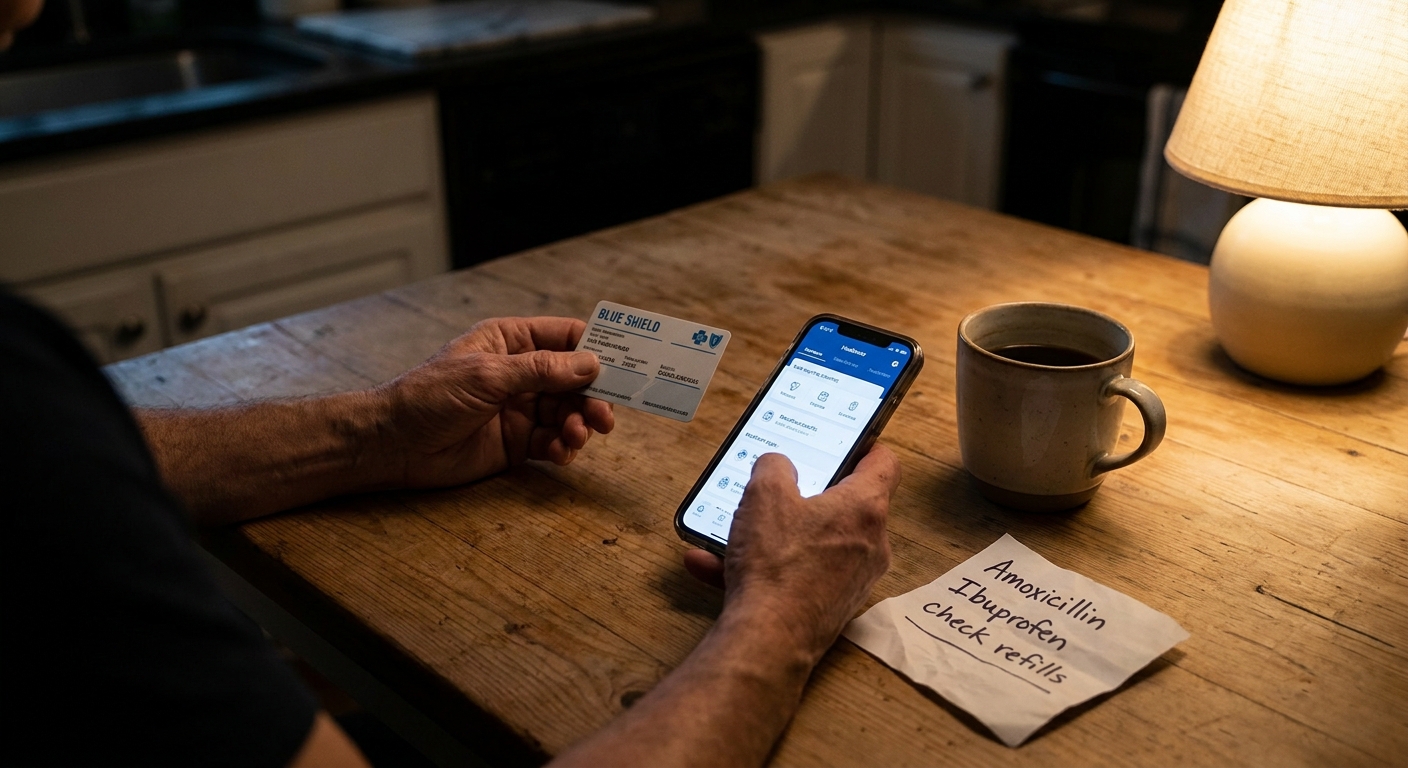
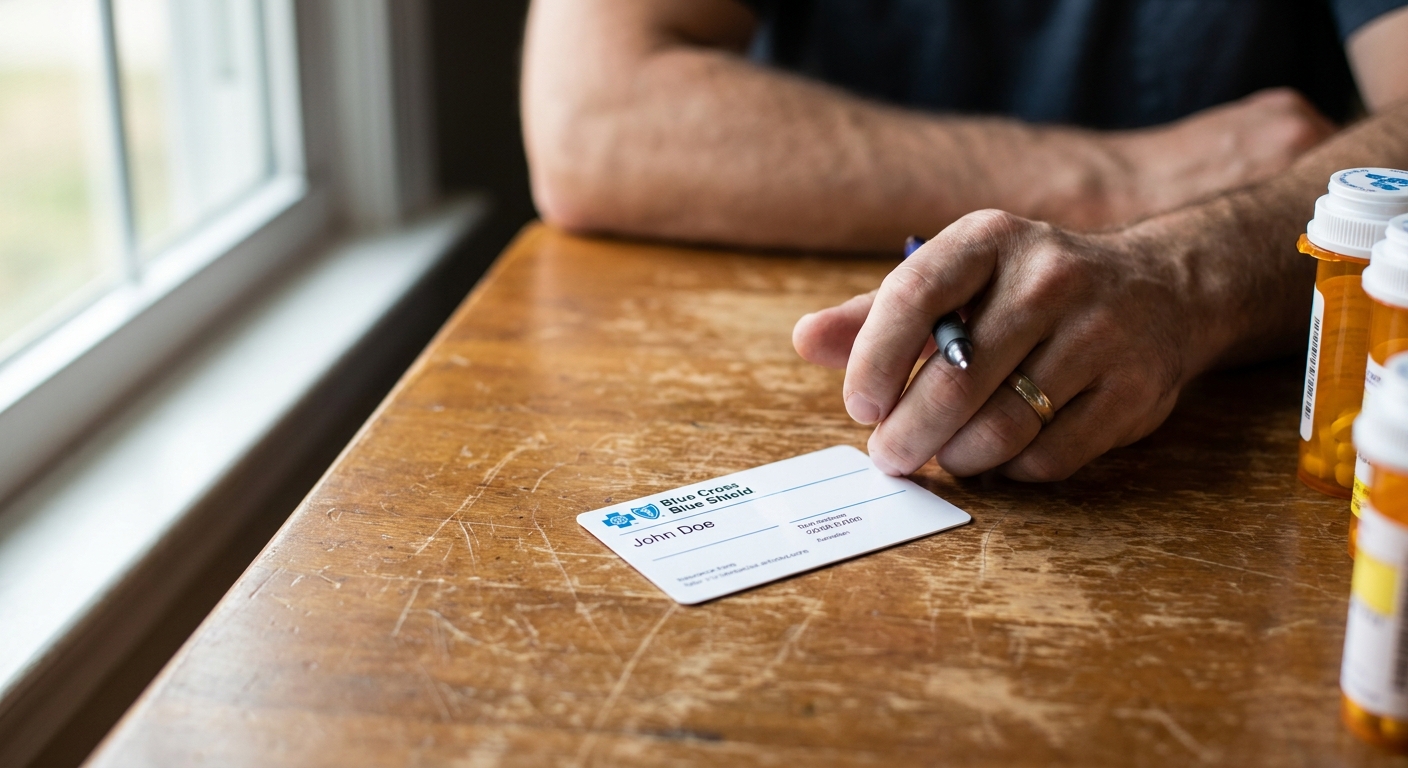
The concrete step: call the number on the back of your insurance card and ask two specific questions. First, is this program in-network? Second, what is my out-of-pocket maximum for behavioral health services? Those two answers tell you your actual financial exposure before you walk through the door.
What to try this week
Identify one outpatient program, call to ask about their ASAM assessment process and weekly treatment structure, and verify your insurance benefits in the same conversation. That single call surfaces whether the program individualizes care, what your financial commitment looks like, and whether the level of intensity matches where you actually are in recovery. One conversation, the right questions, and you have most of what you need to make a sound decision.
Frequently asked questions
How long does an outpatient rehab program typically last?
Duration depends on the level of care and individual progress. PHP programs often run four to eight weeks before stepping down to IOP. IOP typically lasts eight to twelve weeks. Standard outpatient can continue for several months as a maintenance level of support. A program that gives you a fixed end date on day one without clinical milestones attached to it is not individualizing your care.
Can you work or attend school while in outpatient rehab?
Yes, and for most outpatient levels that is the point. IOP sessions are commonly scheduled in morning or evening blocks to accommodate work and family schedules. PHP requires more hours per day and may make full-time employment difficult, but part-time work or school is often manageable. Ask any program you consider how they structure sessions around outside obligations.
Is outpatient rehab effective for serious addiction?
Outpatient rehab is evidence-based and effective when matched correctly to clinical need. The key word is matched. Someone with severe withdrawal risk or an unstable home environment is not a good candidate for outpatient as a starting point. For people stepping down from residential care or managing moderate-severity addiction with a stable support system, outpatient outcomes are strong, particularly when MAT is included where appropriate.
What is the difference between IOP and standard outpatient?
IOP runs nine to nineteen hours of structured treatment per week and is designed as a primary or step-down level of care for people who need daily support. Standard outpatient involves fewer than nine hours per week and functions as a maintenance level, suitable for people who have already built recovery stability through higher levels of care. Blurring the two, or choosing OP when IOP is clinically indicated, is one of the most common and consequential mismatches in treatment planning.
Does outpatient rehab include medication-assisted treatment?
Many outpatient programs offer MAT, but not all. For opioid use disorder, medications like buprenorphine and naltrexone are standard of care. For alcohol use disorder, naltrexone and acamprosate are commonly prescribed. Ask any program directly whether they prescribe or coordinate MAT, and if they say it is not something they offer, ask why. The answer reveals their clinical philosophy.